


Everything you need to know about aquarium plants
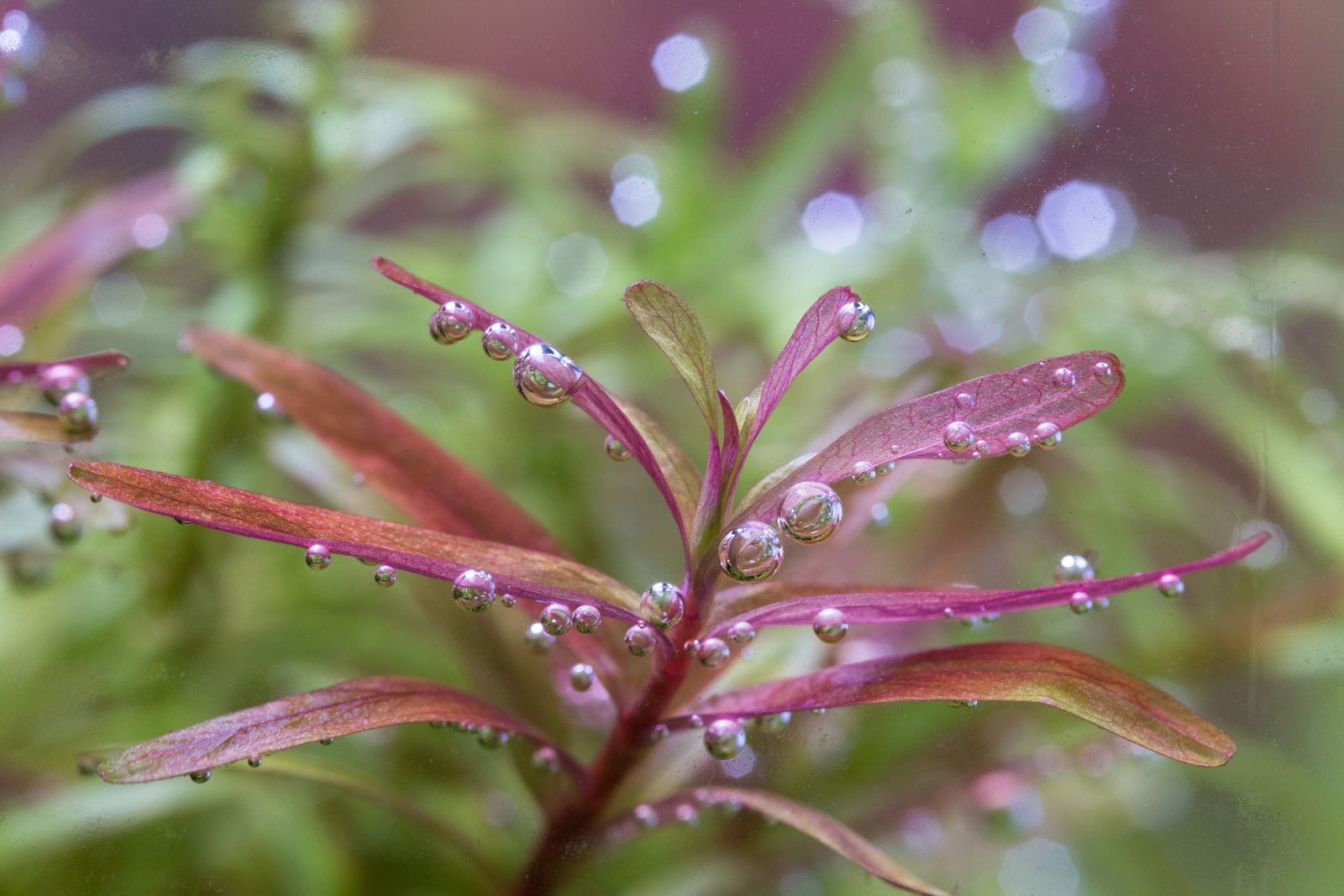
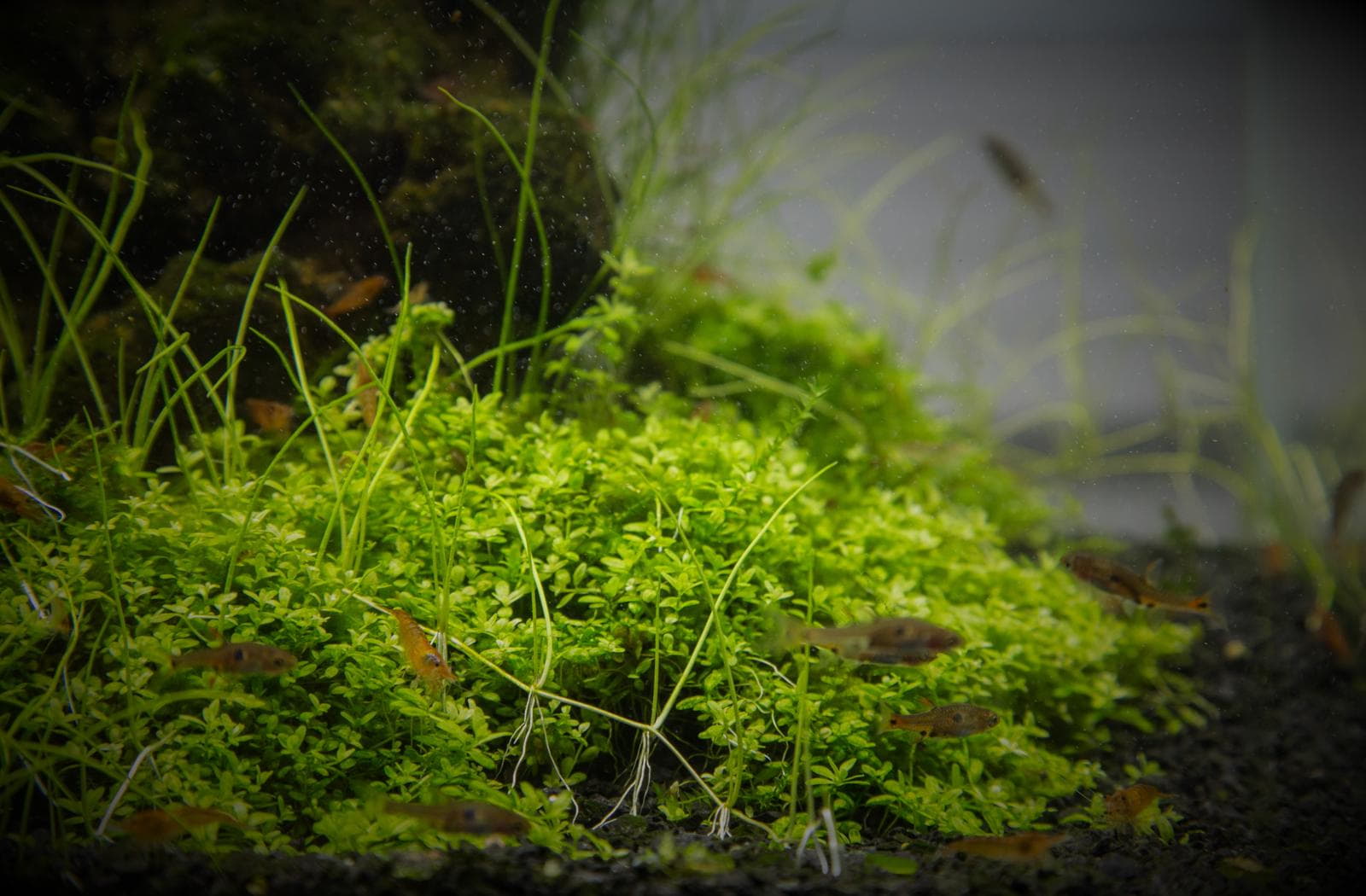
Aquatic plants play an important role in furnishing an aquarium. Aquarium plants are not just pretty greenery and decoration – they also take on important biological tasks in the aquarium and thereby support the ecosystem. They produce oxygen, consume nutrients and, with their stems and leaves, offer large surfaces to bacteria that break down pollutants; these microorganisms mostly settle there organized in biofilms. For the animal inhabitants of the aquarium, such as fish and shrimp, aquarium plants provide hiding places, spawning sites and opportunities to graze on biofilms, i.e. to feed. Aquatic plants are an asset in every respect. At Aquasabi, our focus is on planted aquariums and aquascaping, so aquarium plants and their needs naturally play a central role for us.
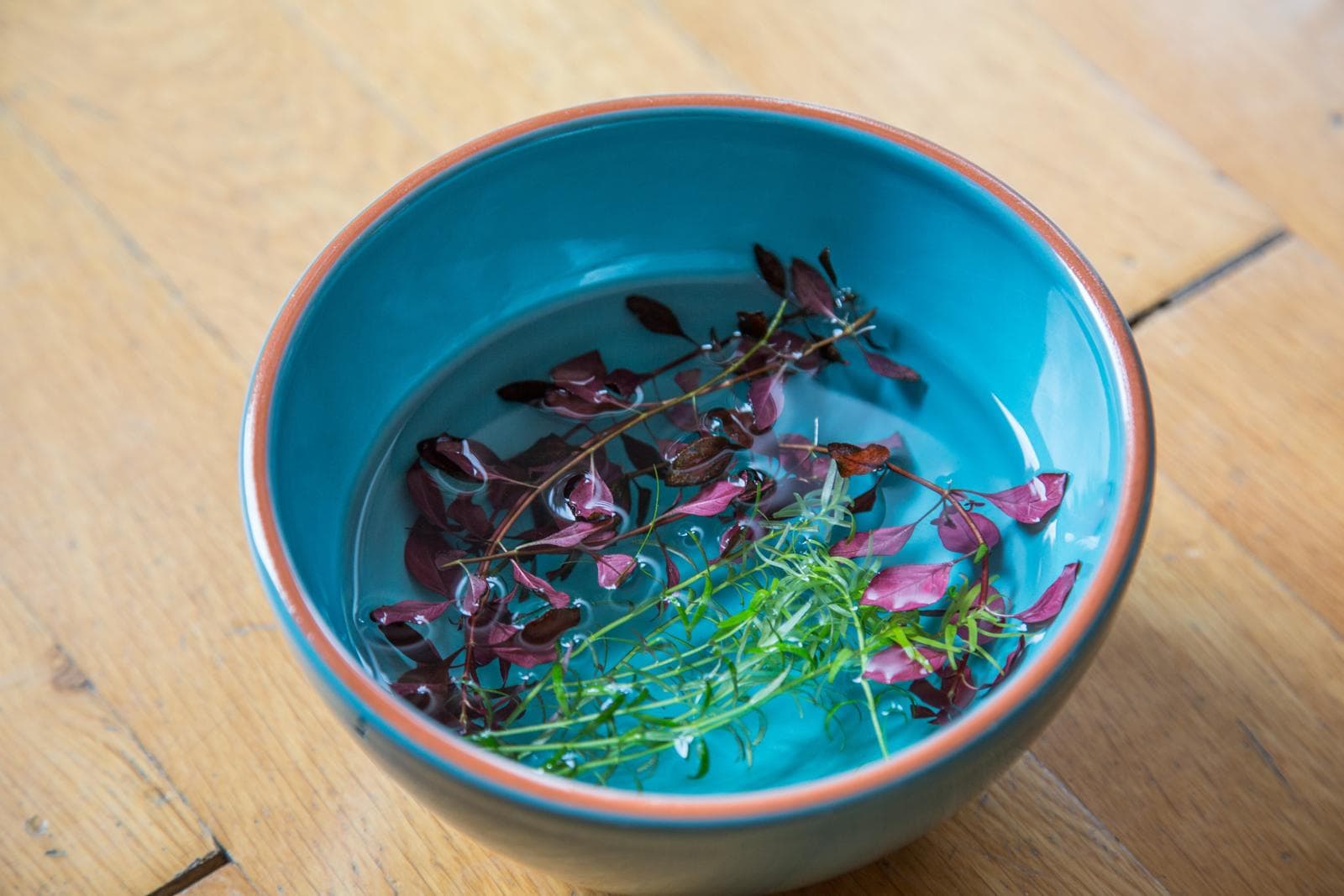
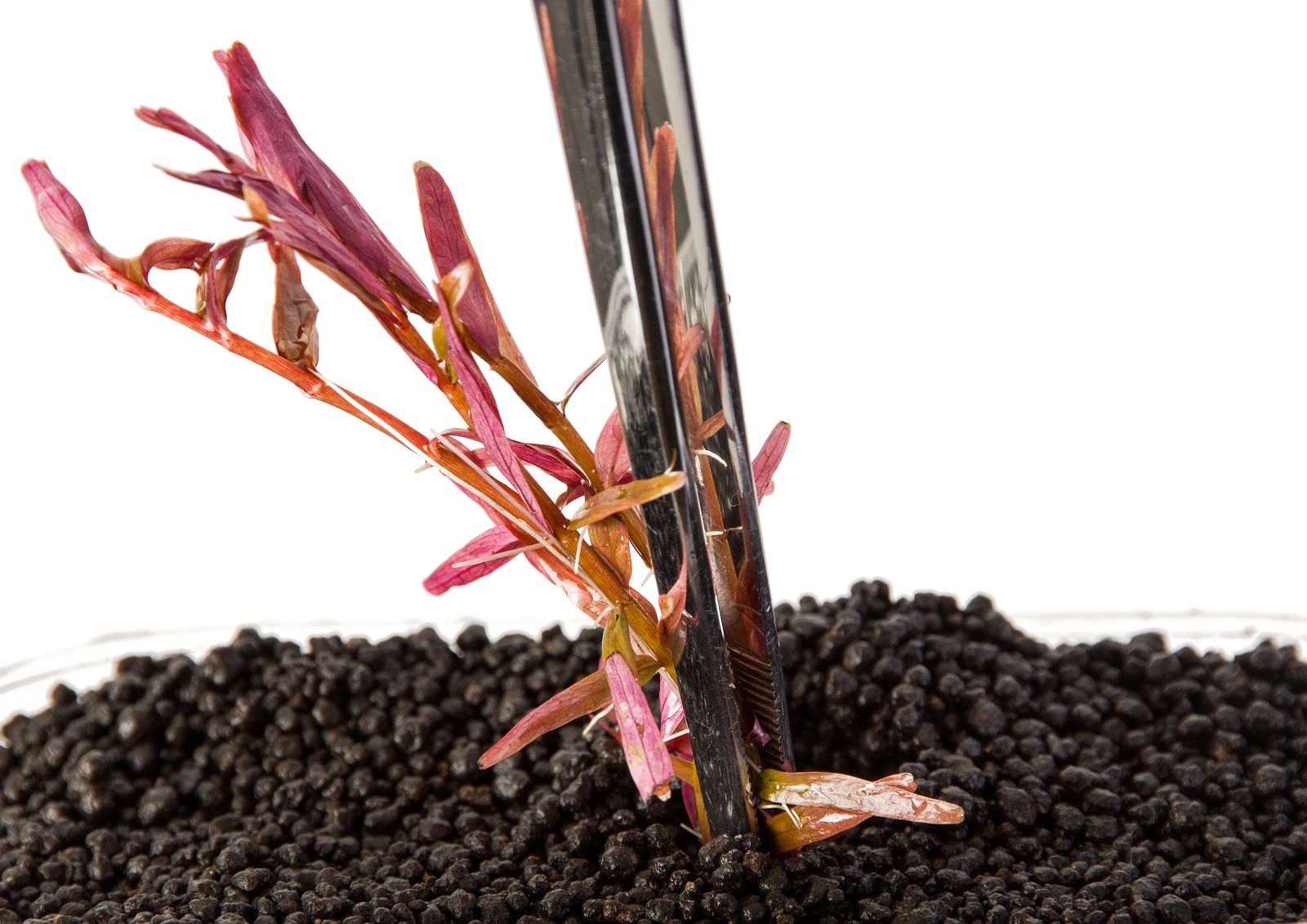
In this section of the Aquascaping Wiki you will find lots of valuable tips all about aquatic plants. From guides on preparing aquarium plants for planting and advice on planting them correctly when setting up a new aquarium, to articles on propagation, proper care and growth-promoting trimming, to introductions of the different plant types – here in the Aquascaping Wiki you will find a wealth of information on plants in the aquarium.
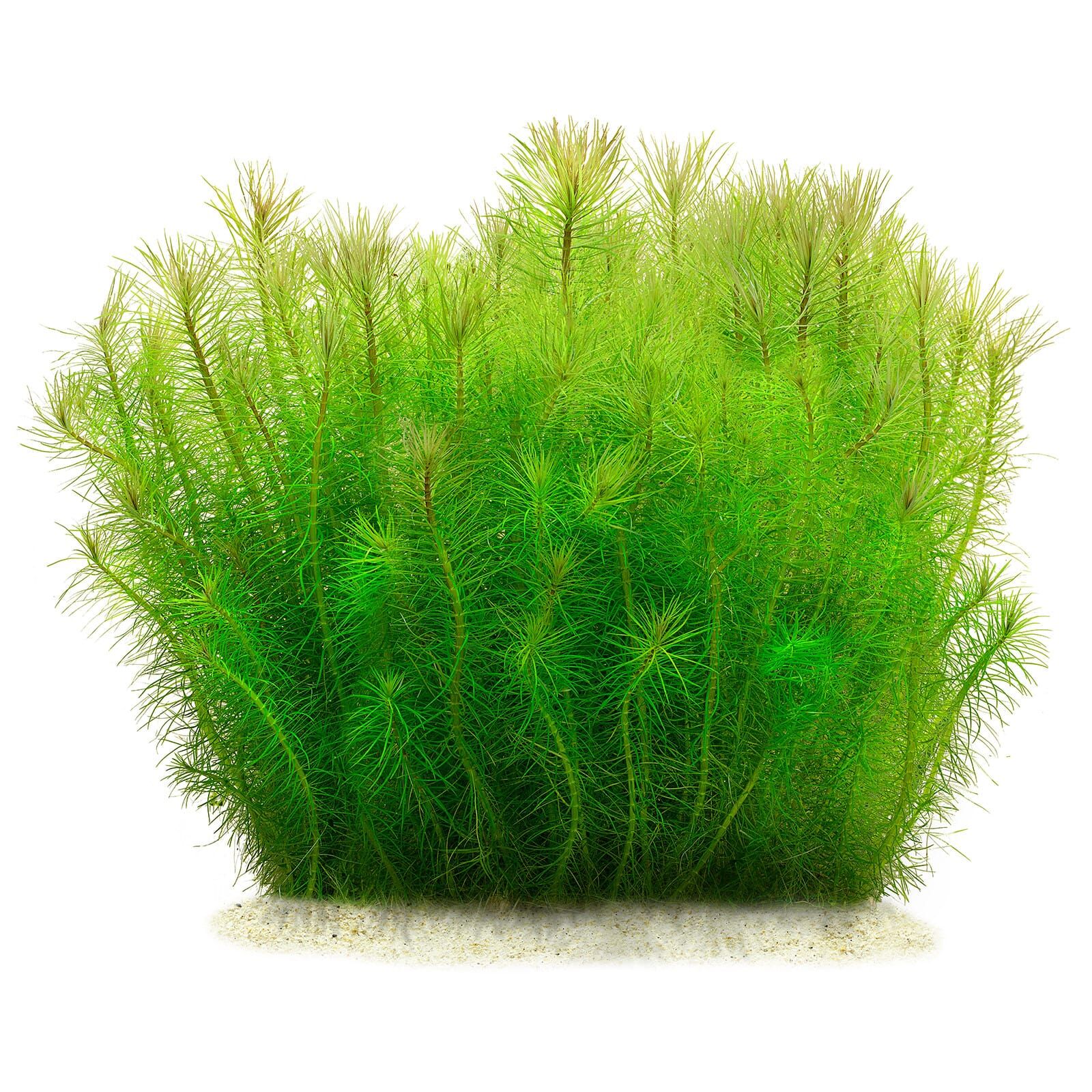
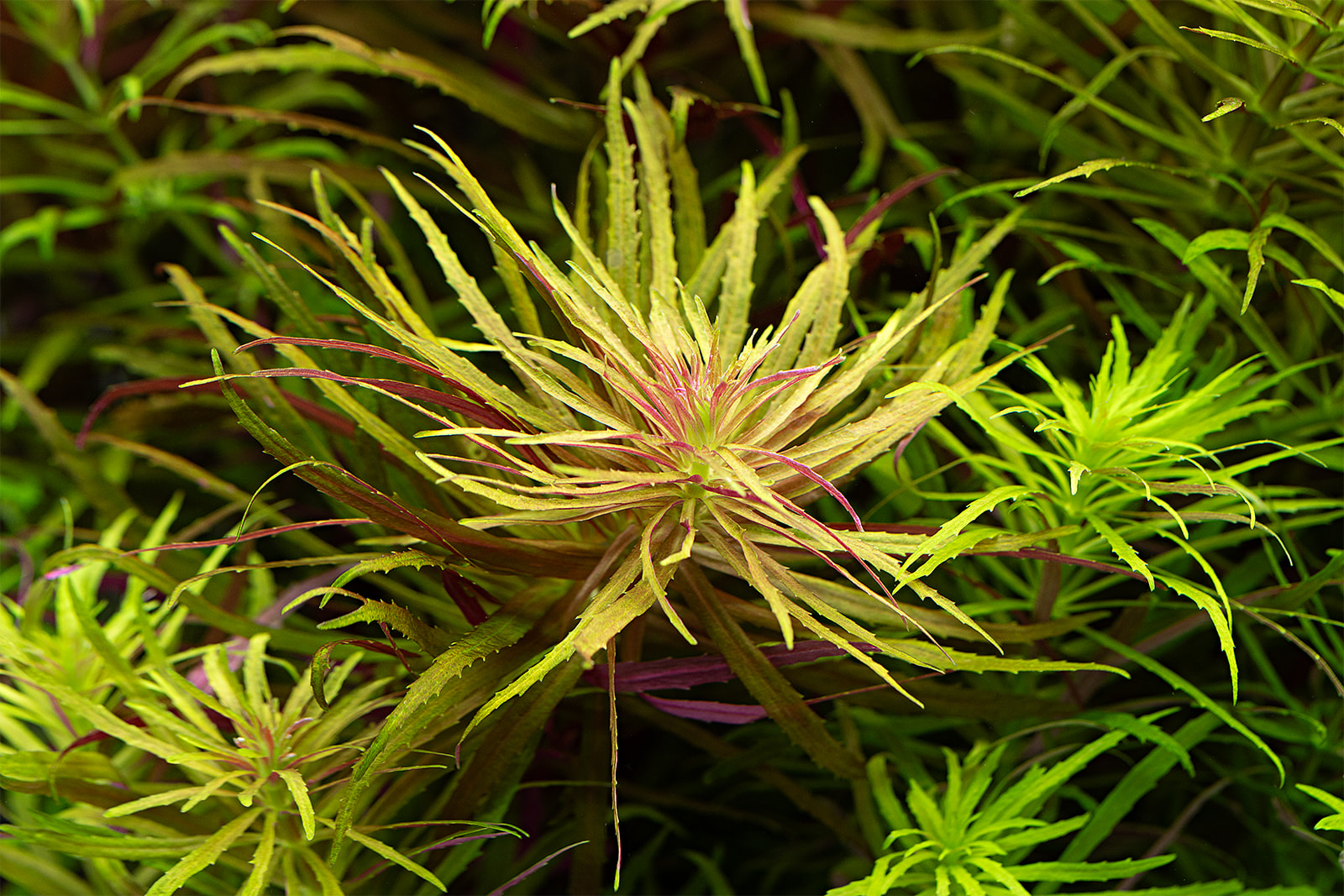
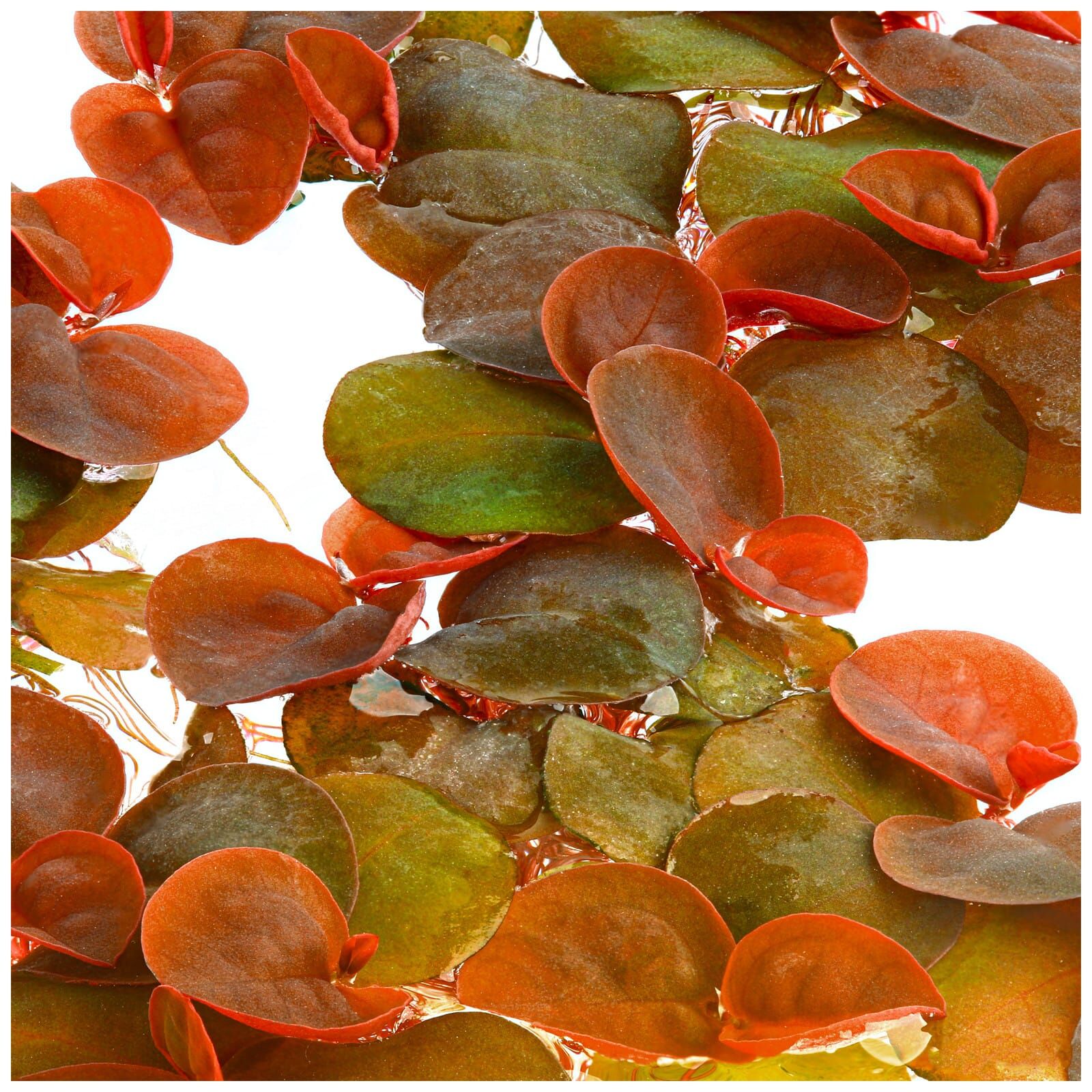
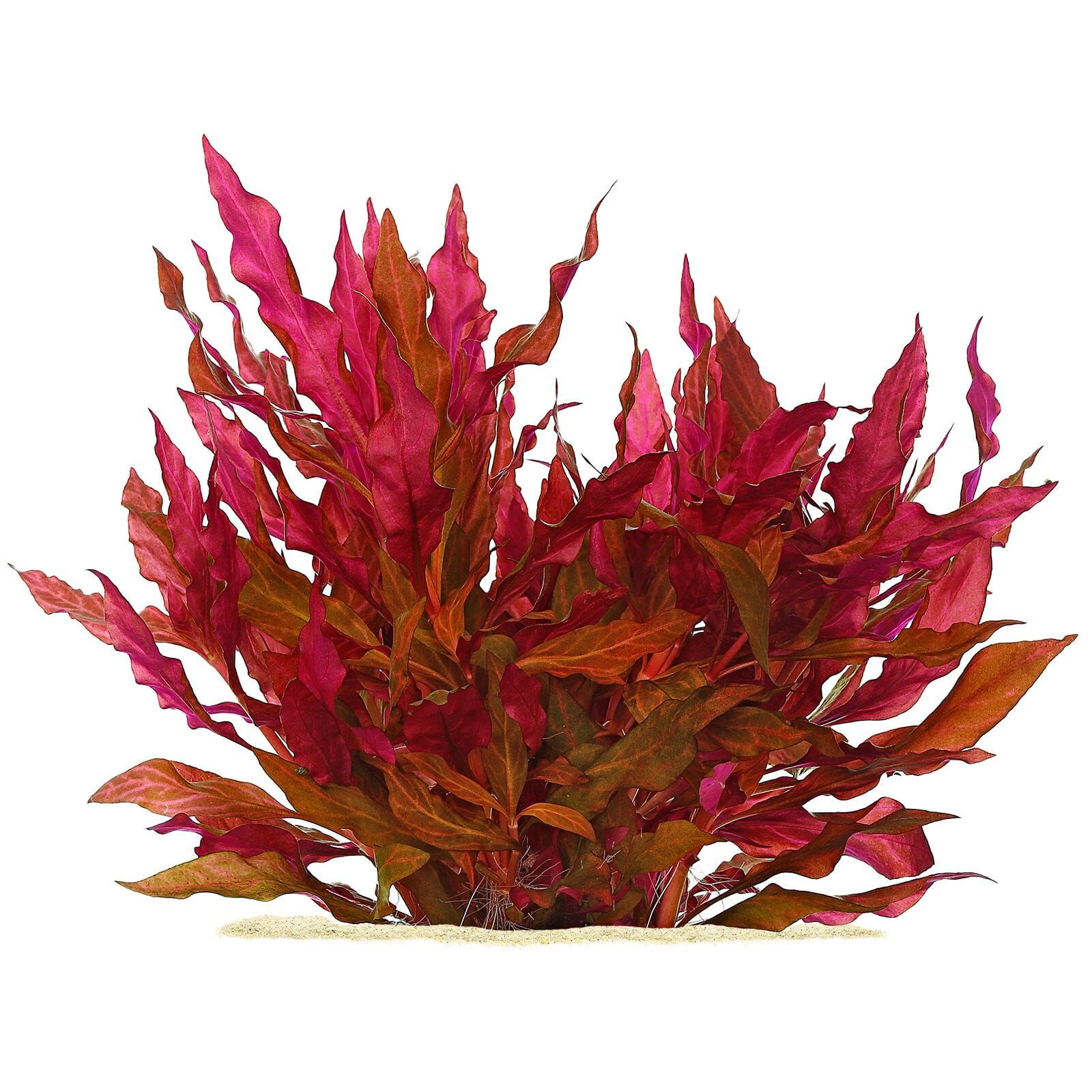
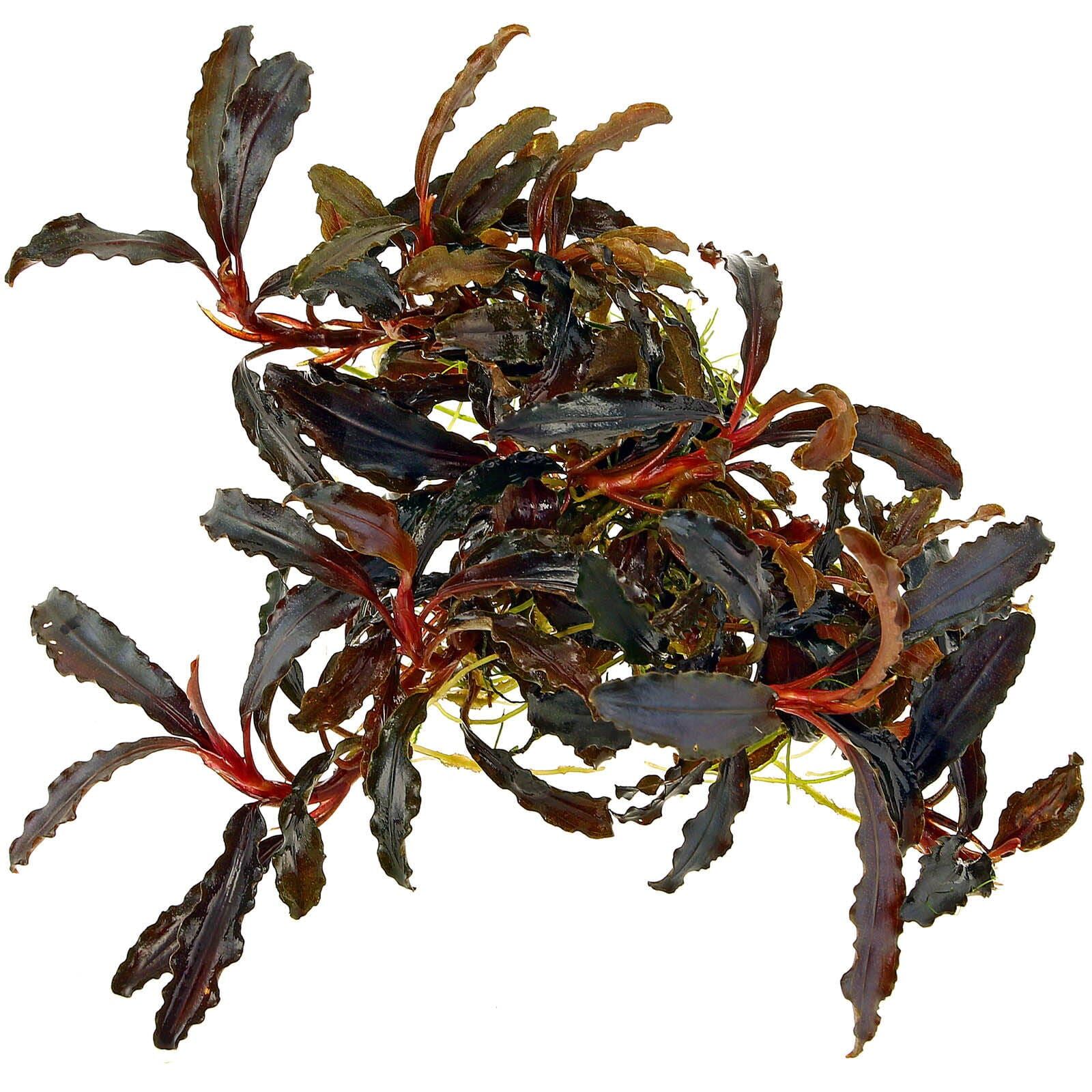
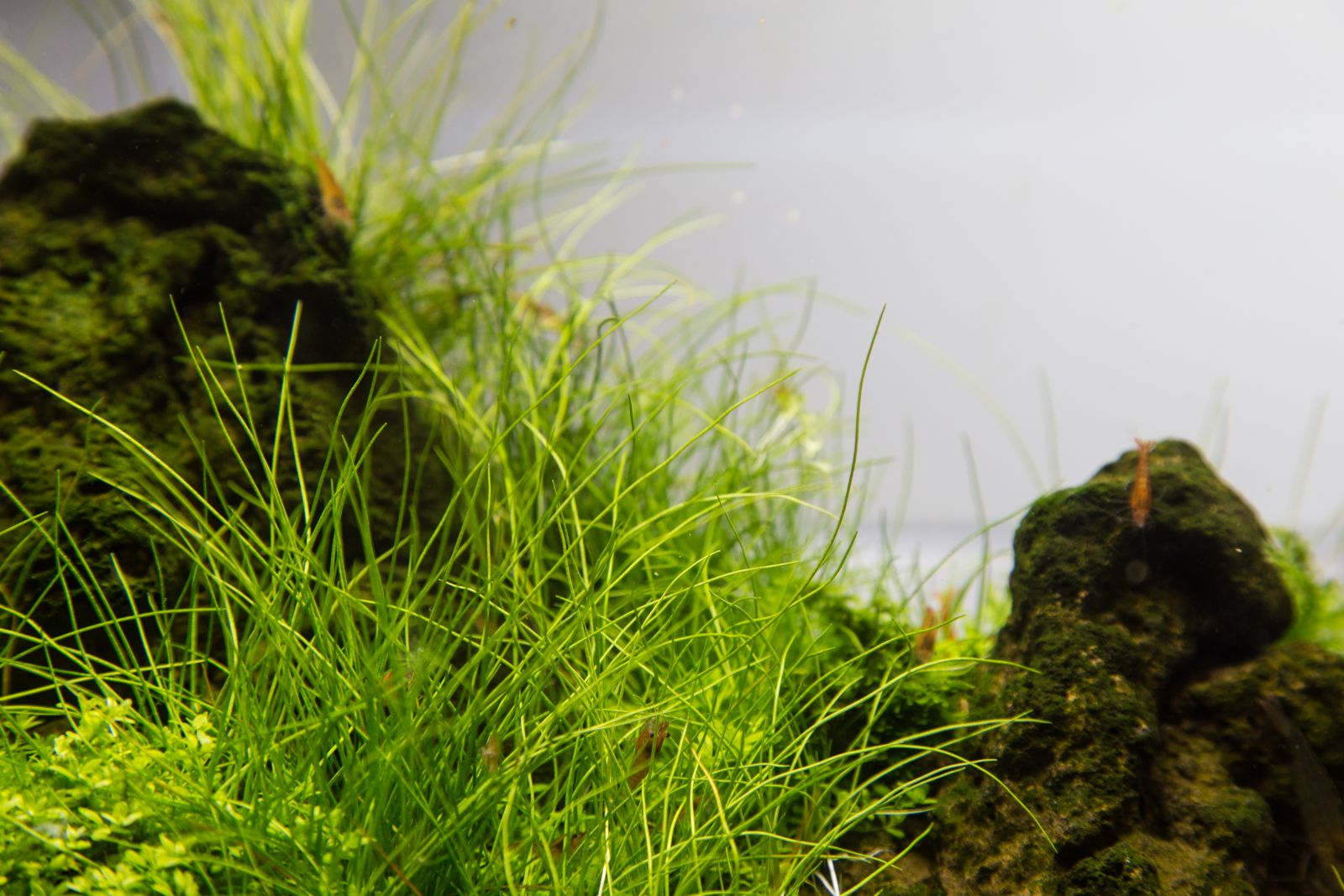
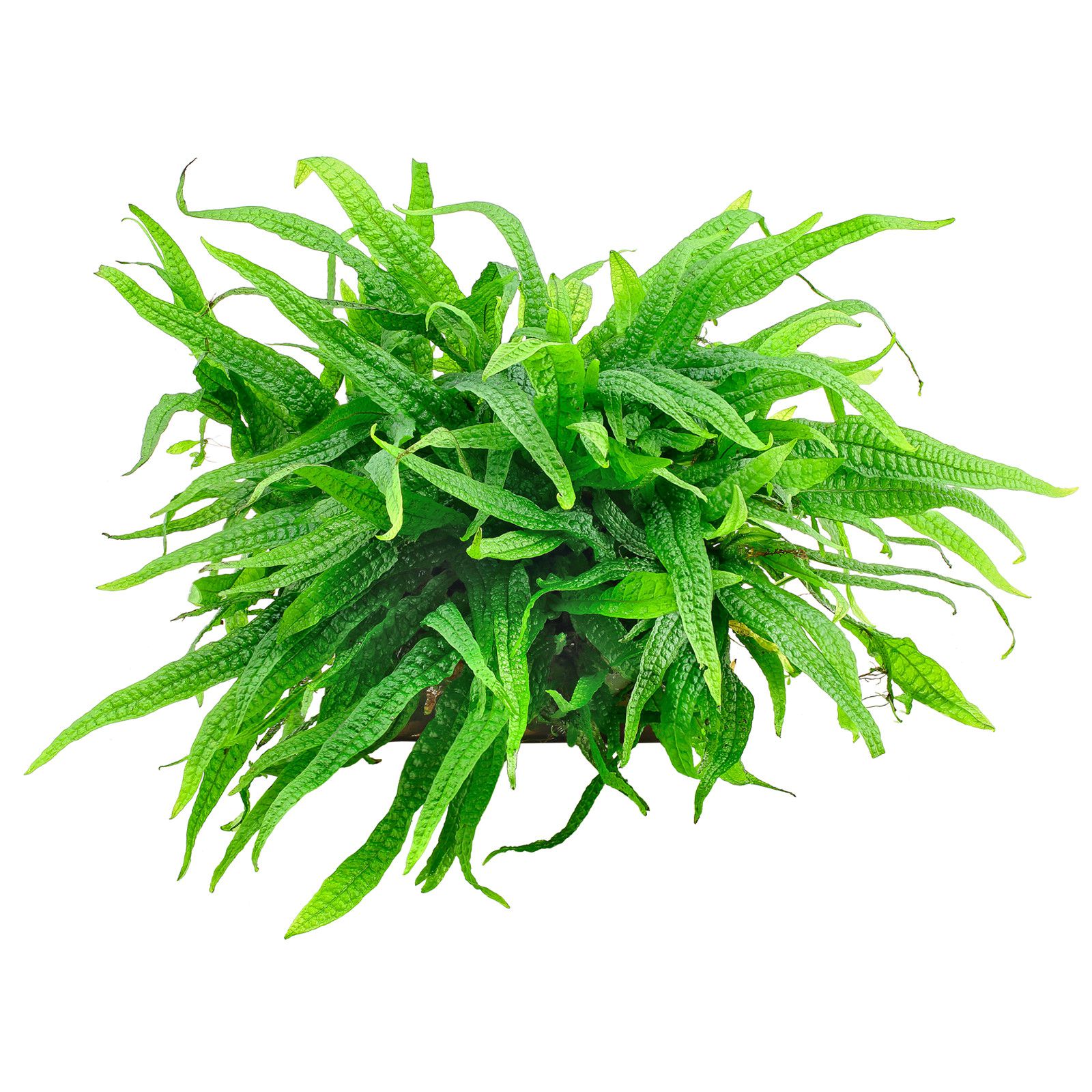
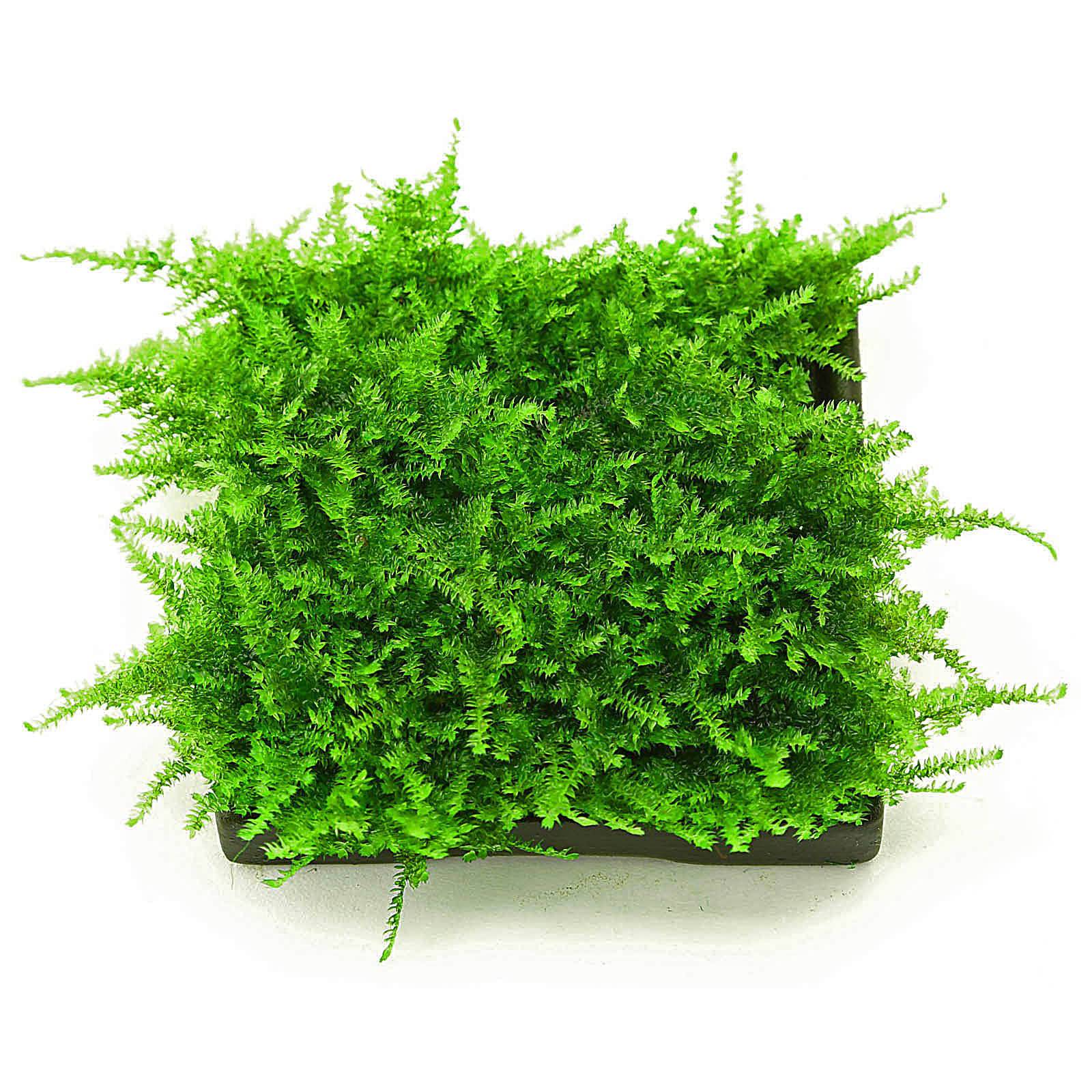
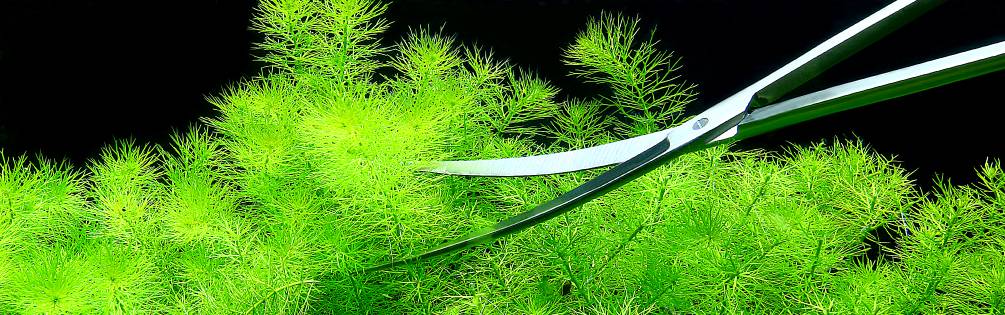
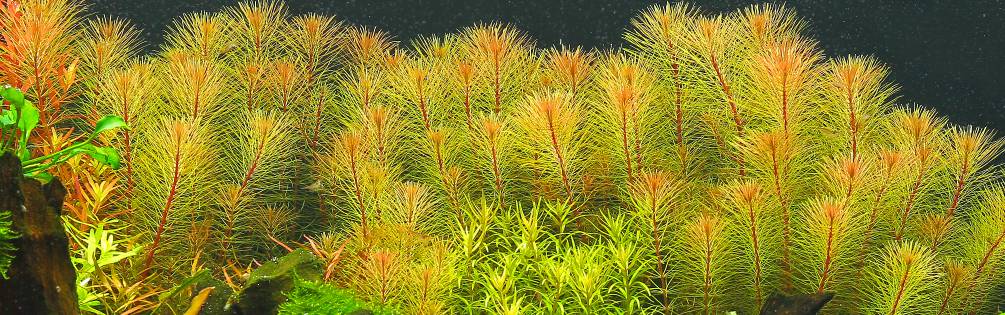
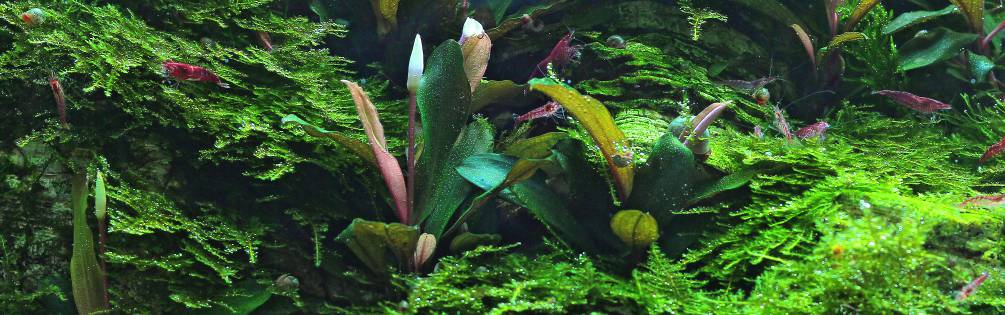
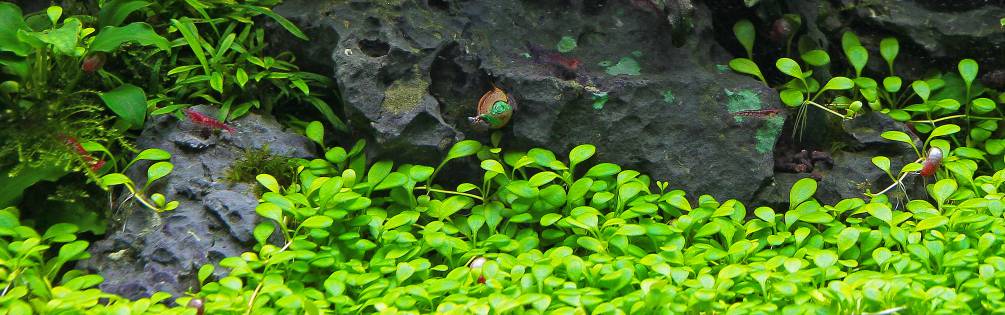
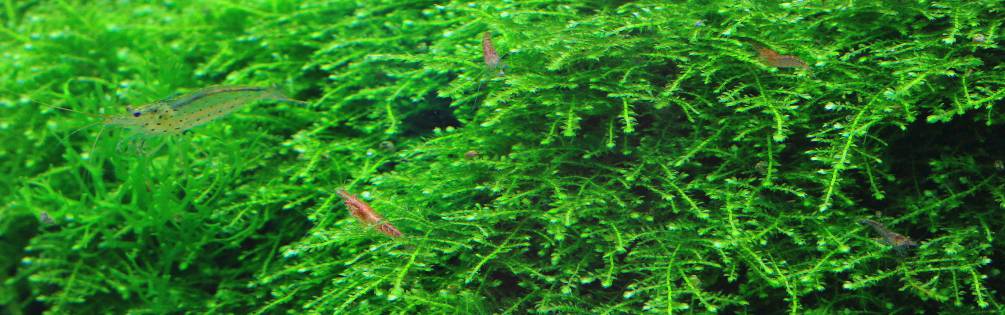
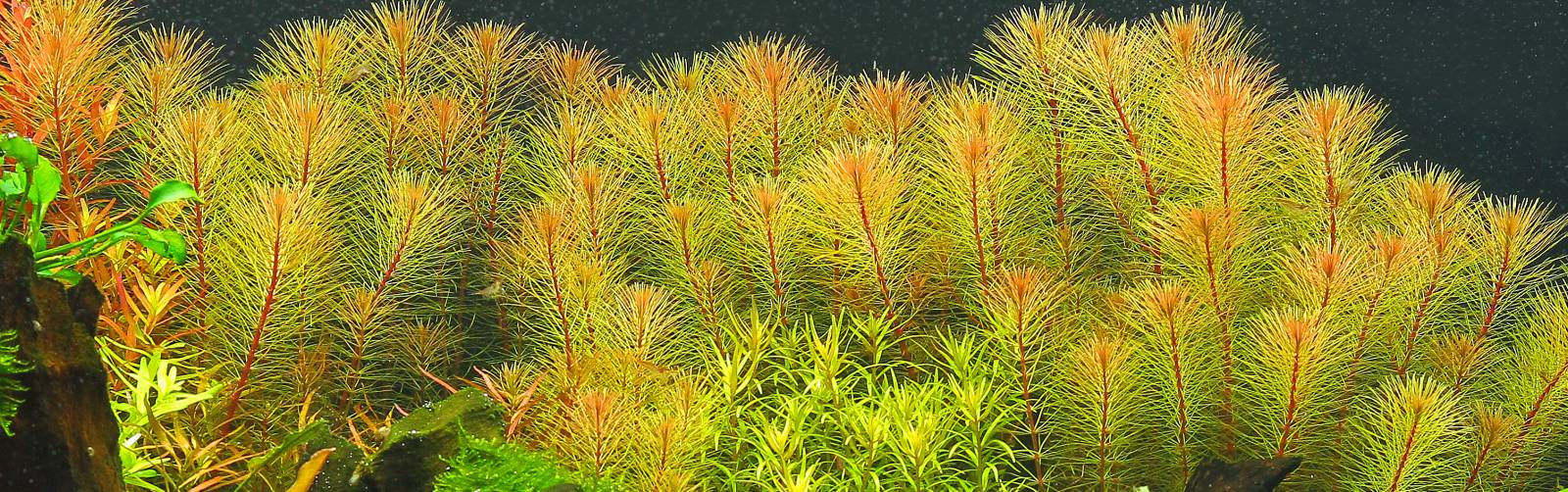
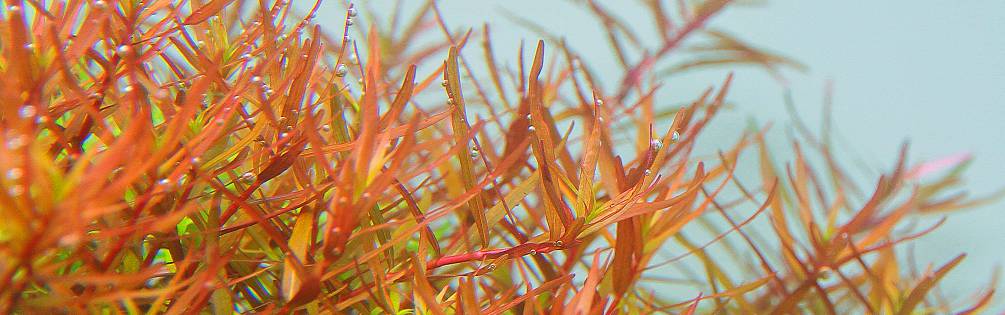
Besides the well-known, classic stem plants for the background, floating plants, mosses, epiphytes, ground cover and middle ground plants are also often used in aquariums. Each plant type has its very own care requirements, especially when it comes to trimming, dividing and propagating aquatic plants. How is an aquarium plant structured? On these and many other topics we offer help in articles such as "Trimming and dividing aquarium plants correctly".
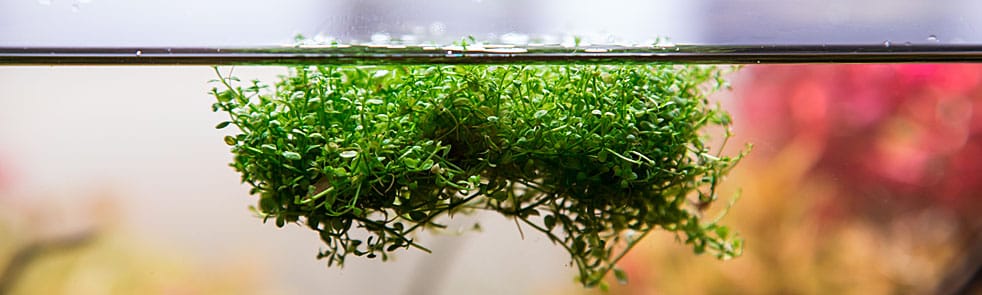
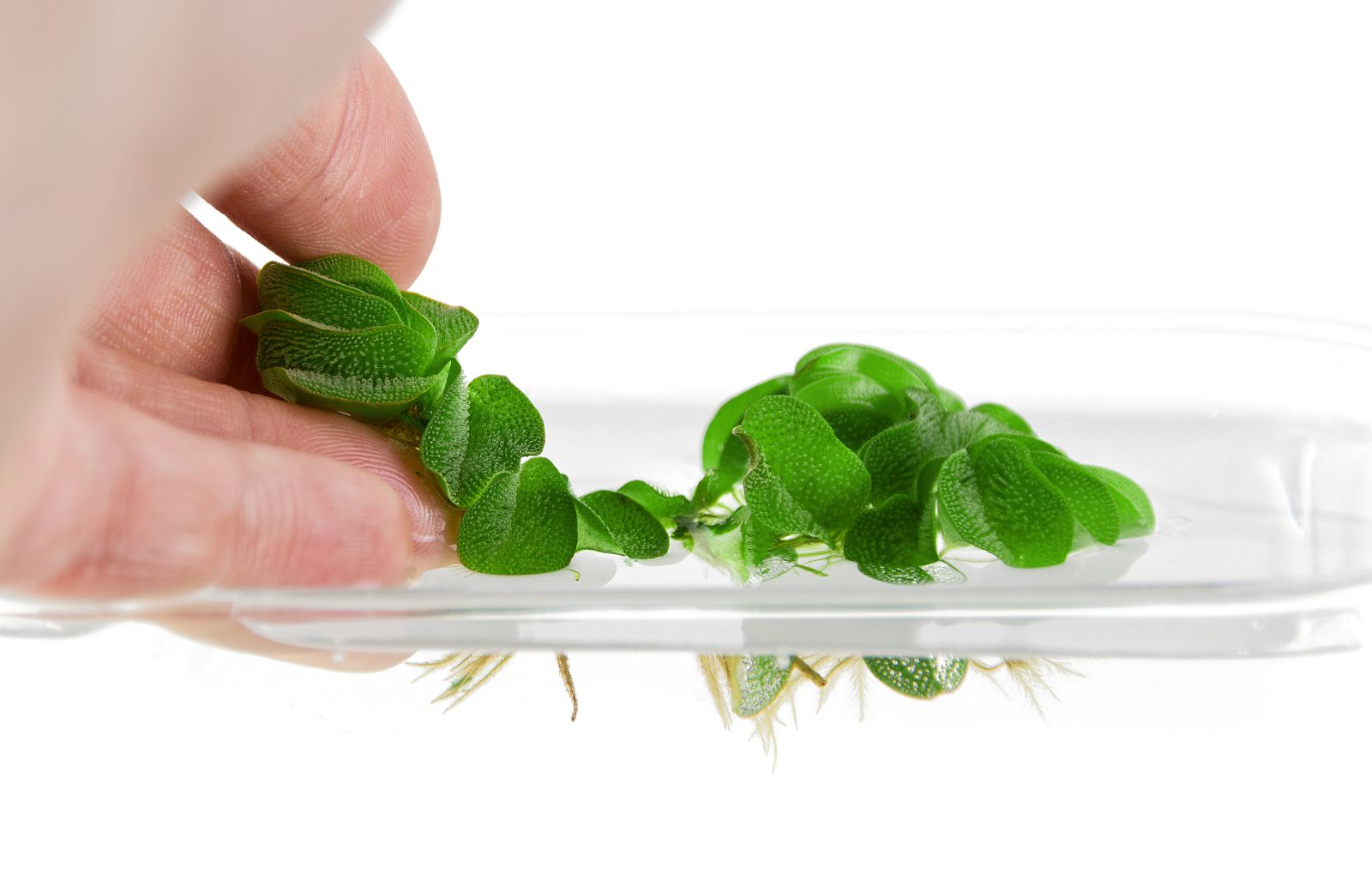
Leftover trimmings from aquarium plants, but also duckweed, can become extremely annoying when they collect on the water surface. In the Aquascaping Wiki we give you tips on how to get rid of them quickly and efficiently.
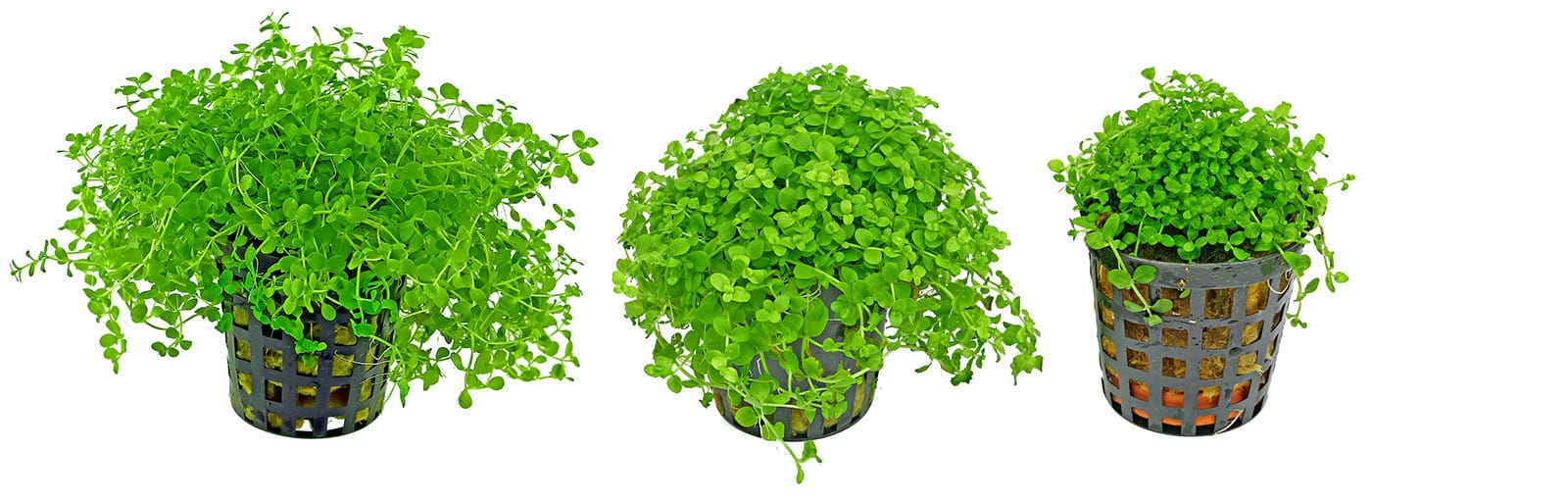
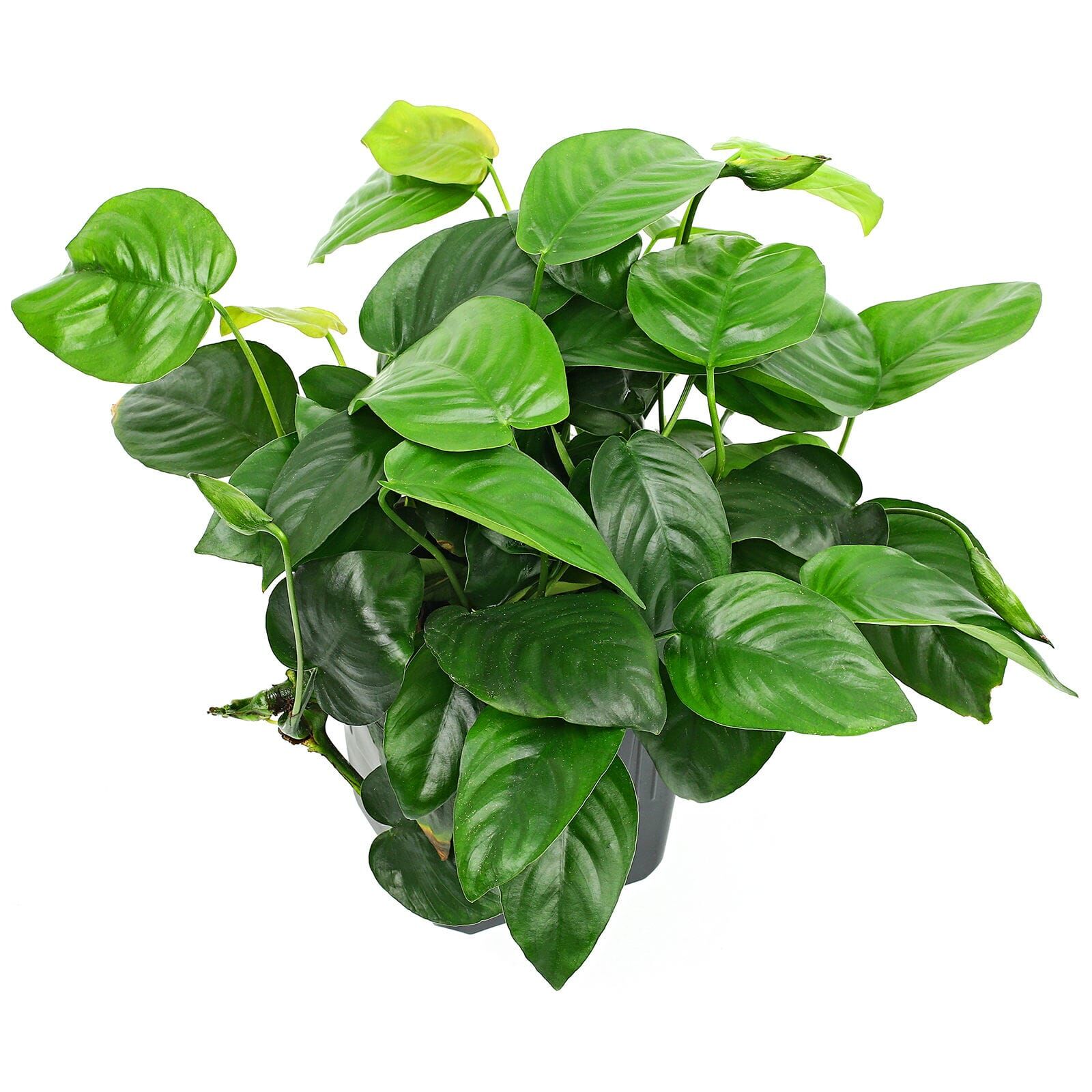
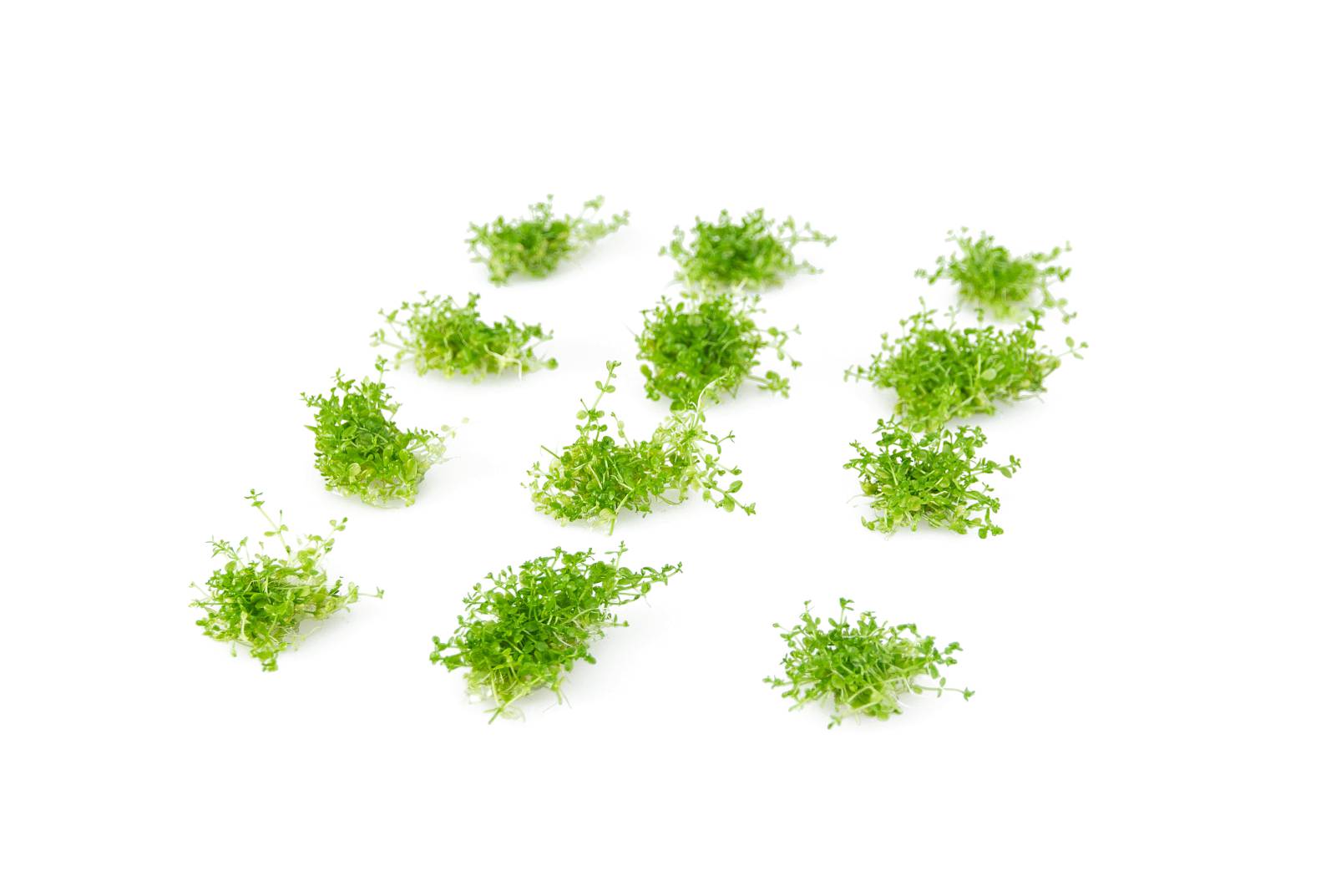
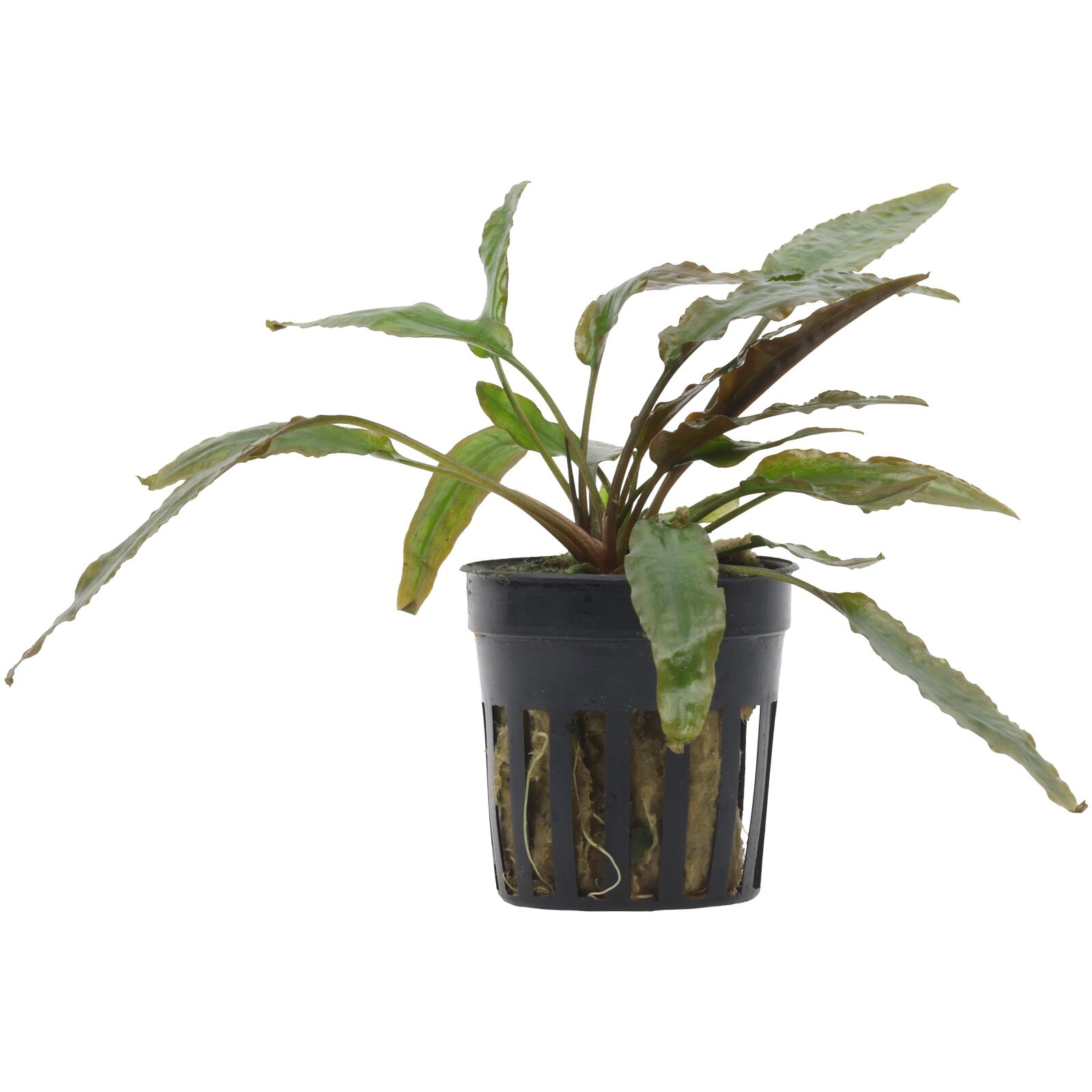
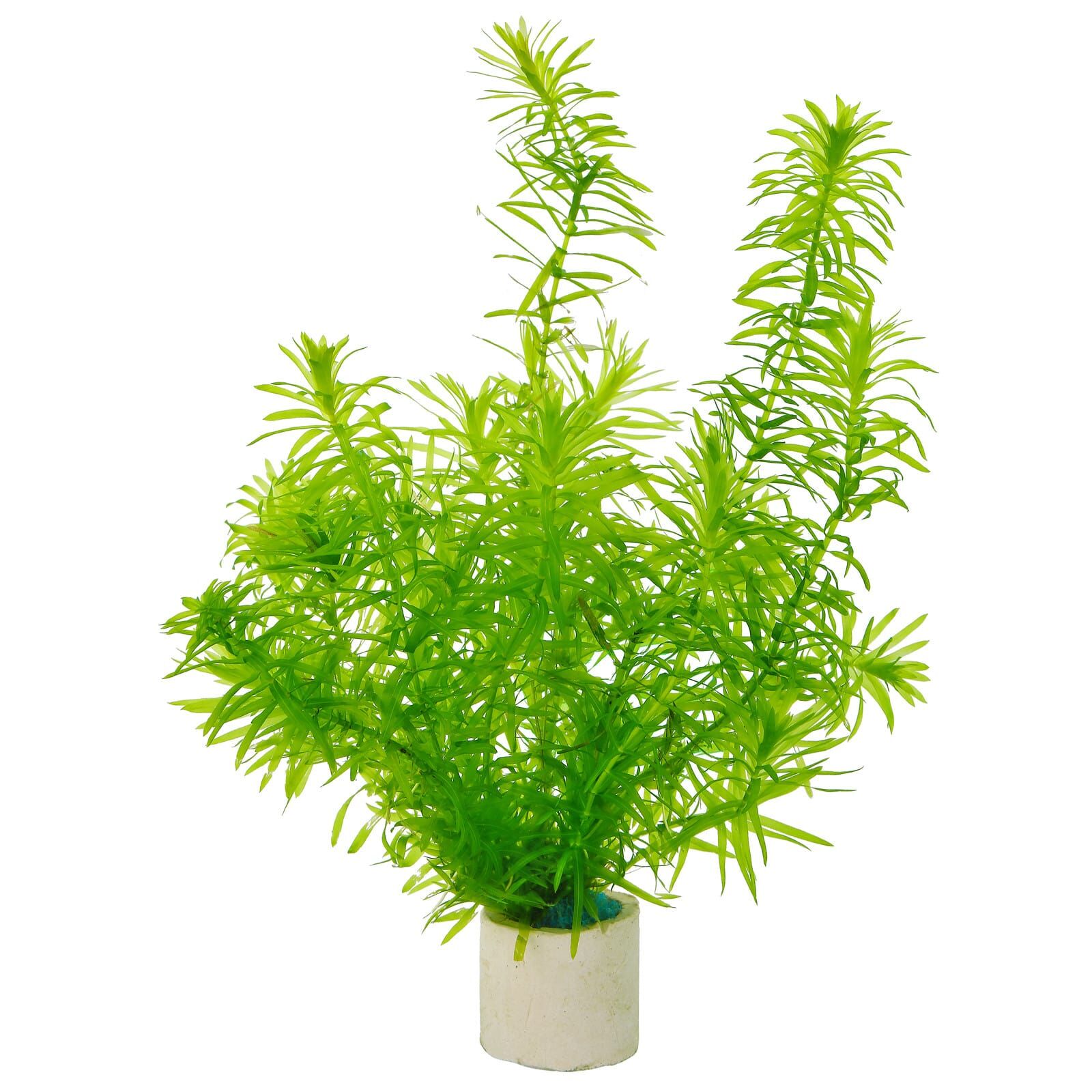
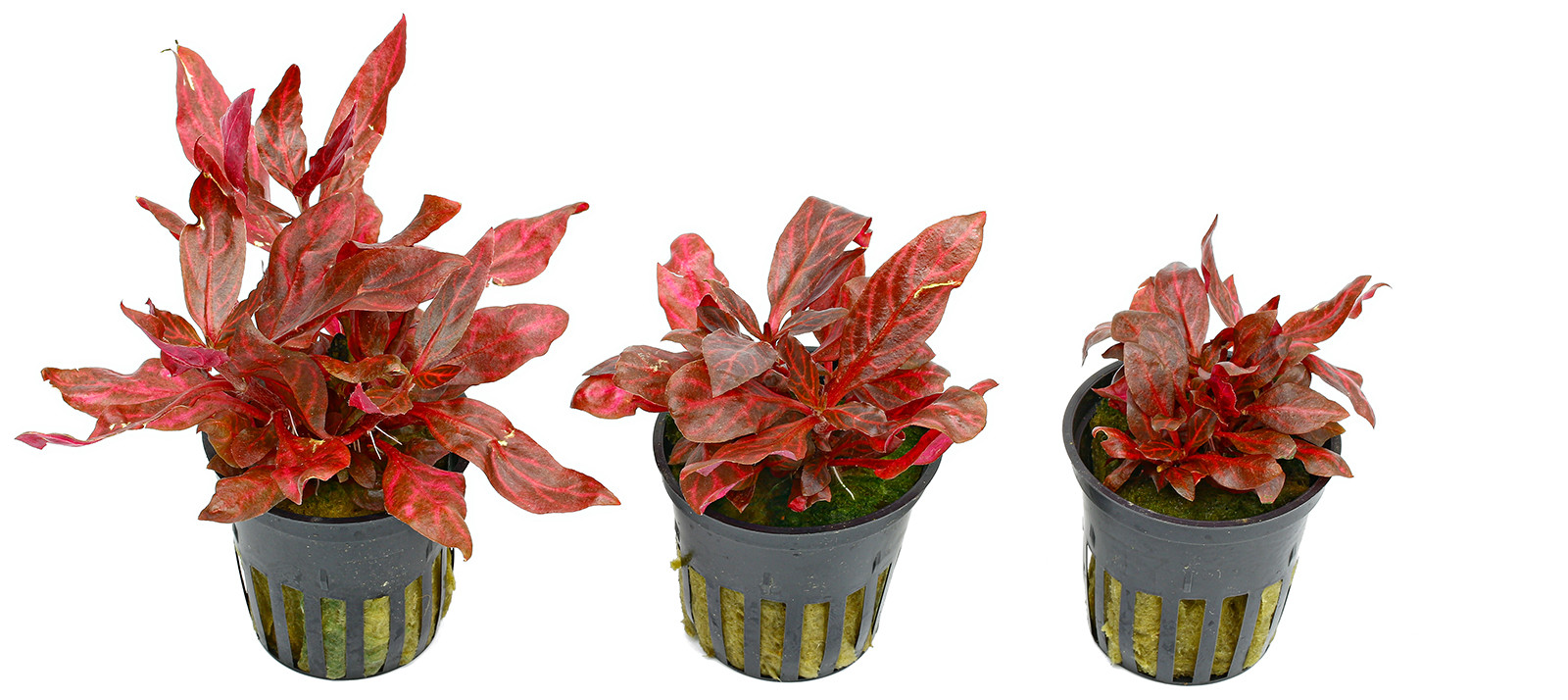
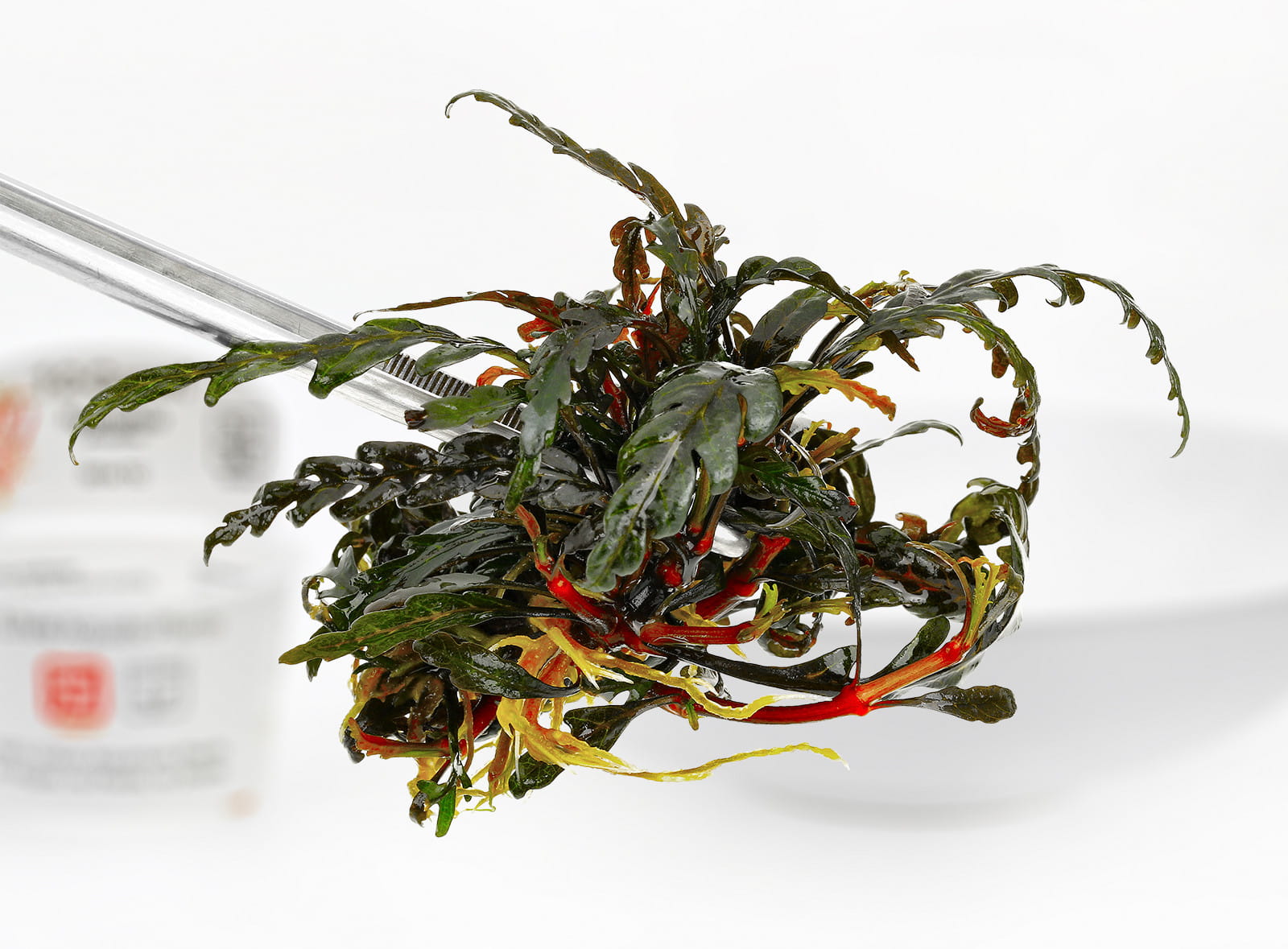
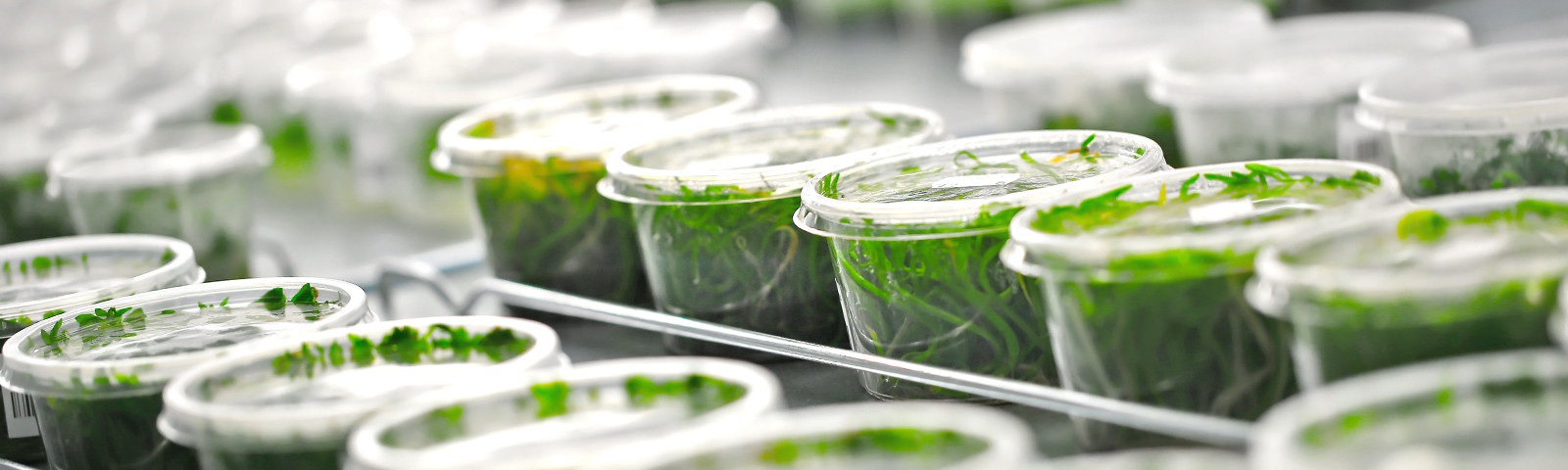
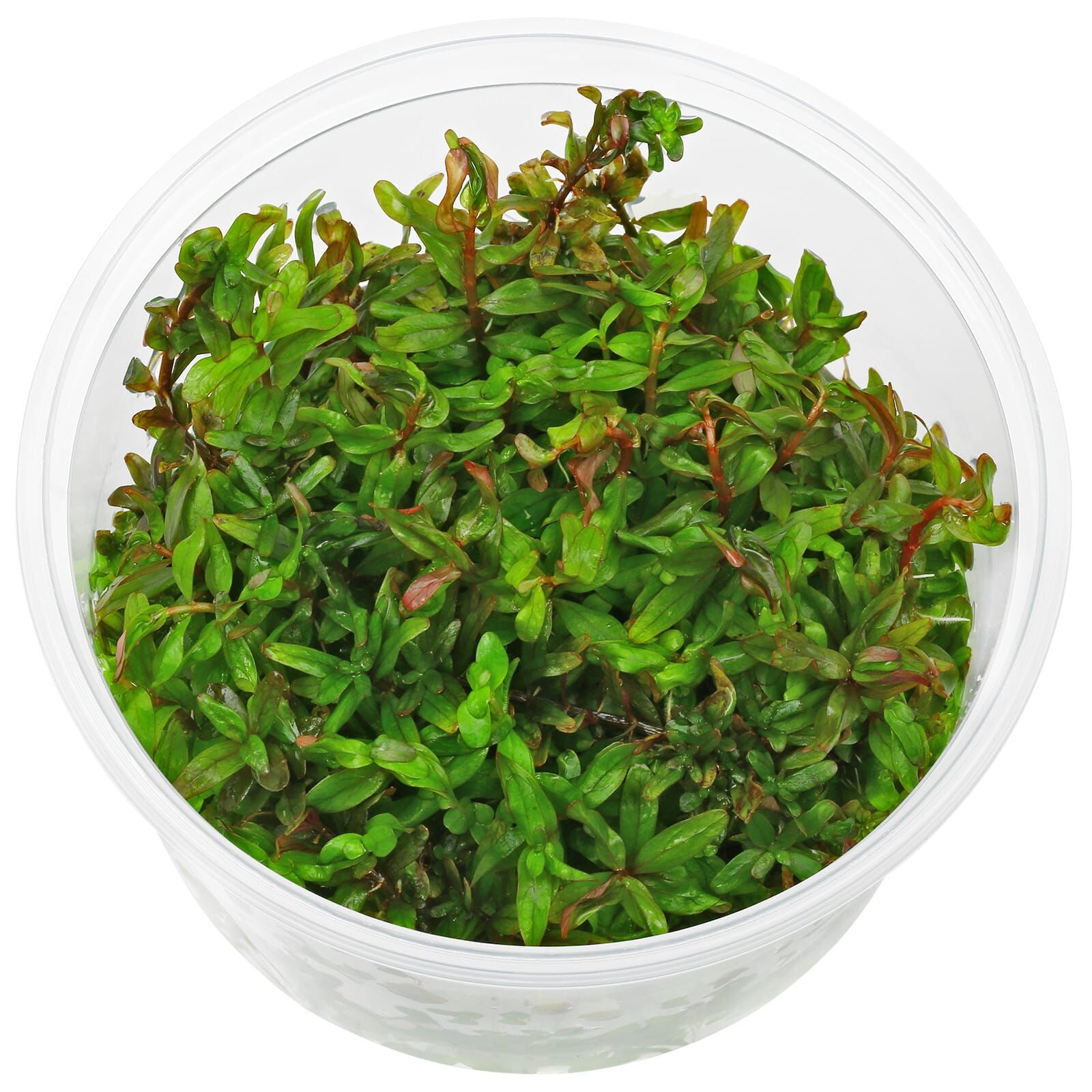
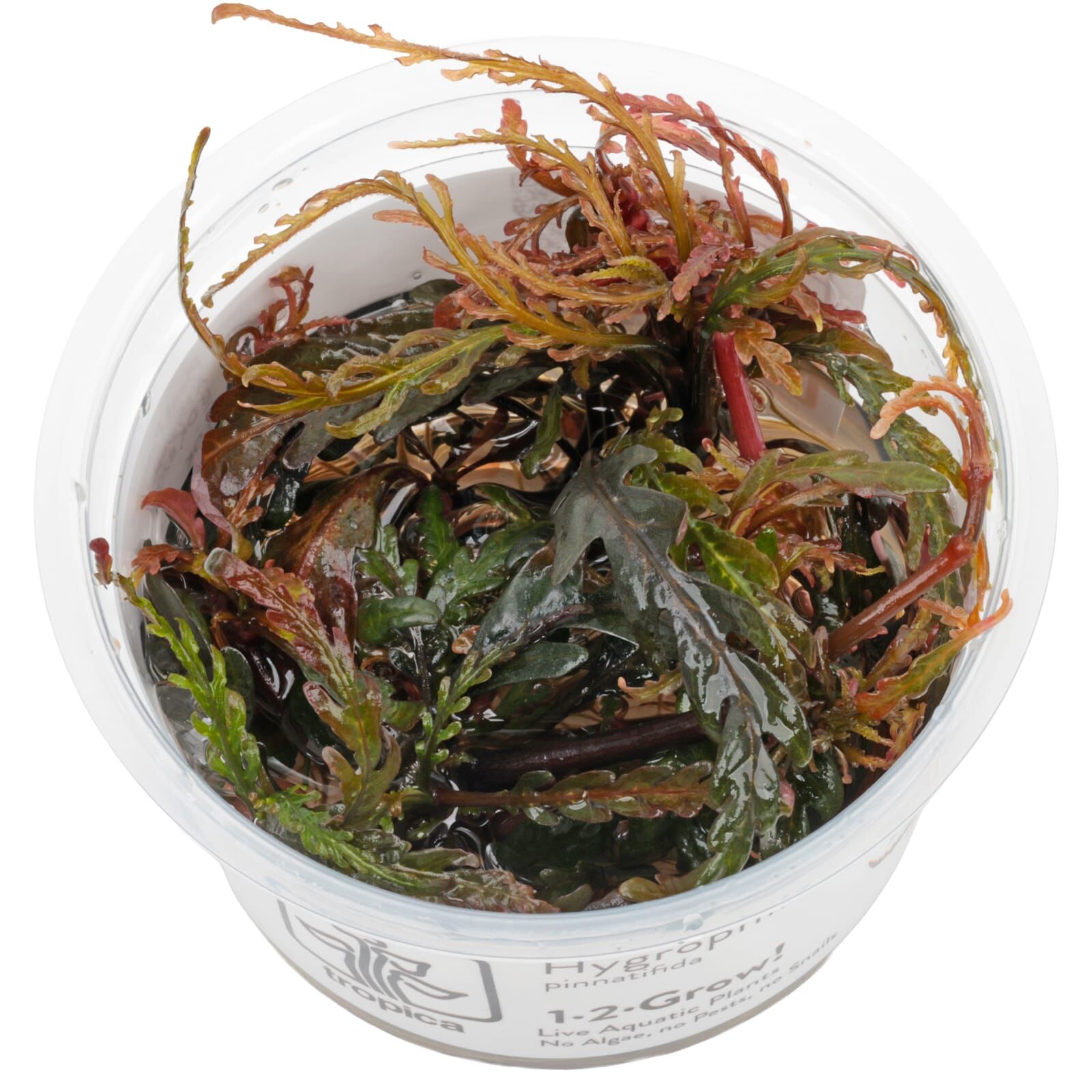
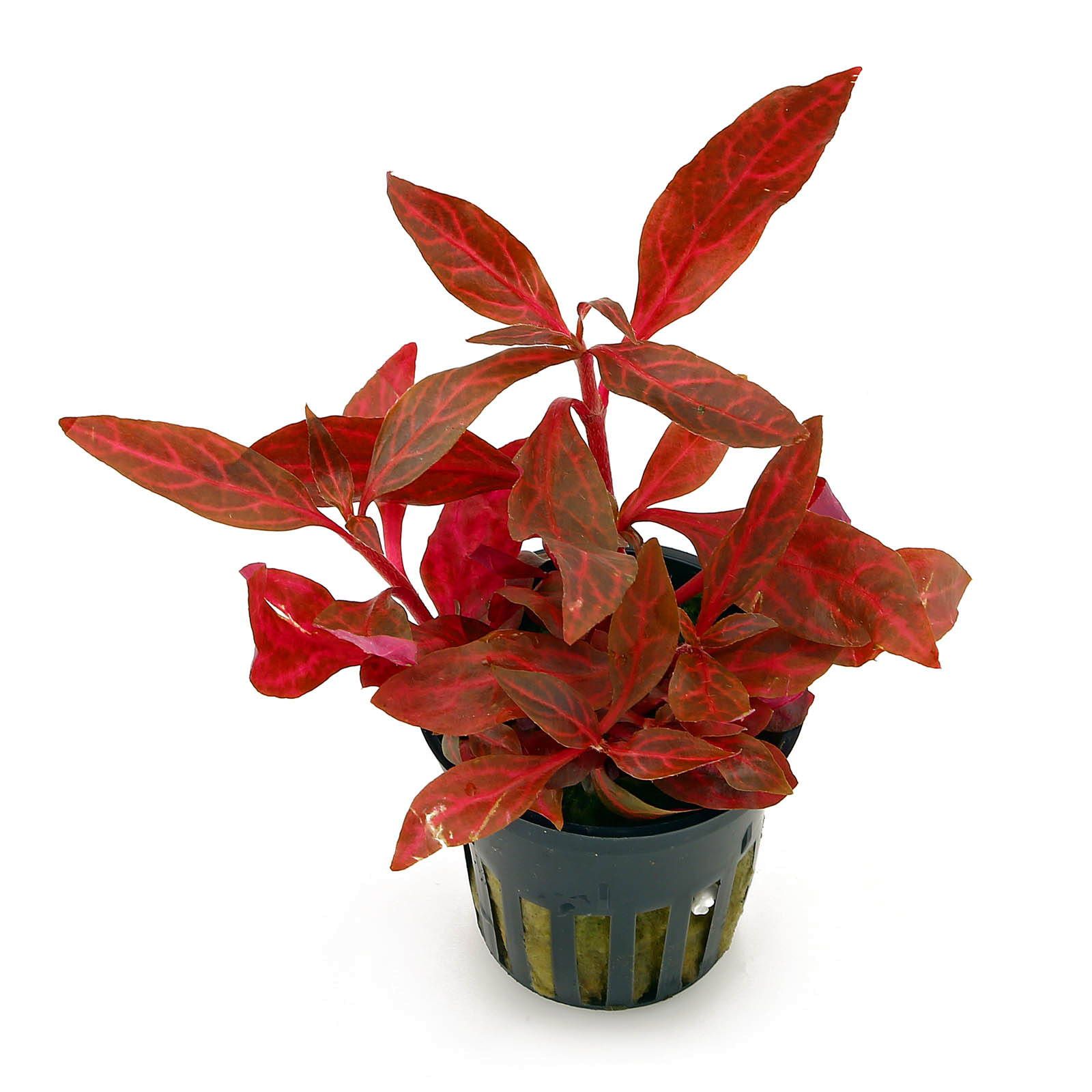
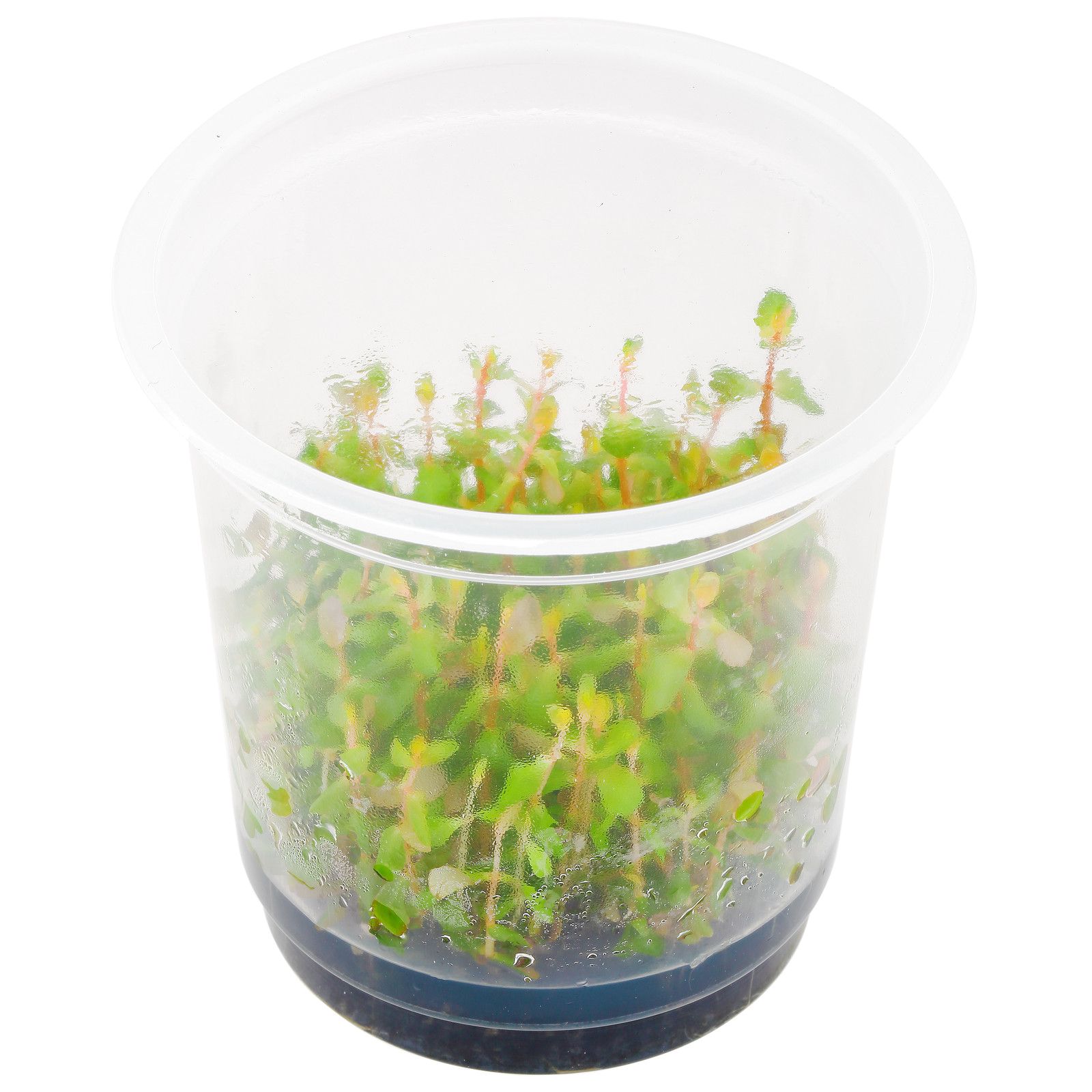
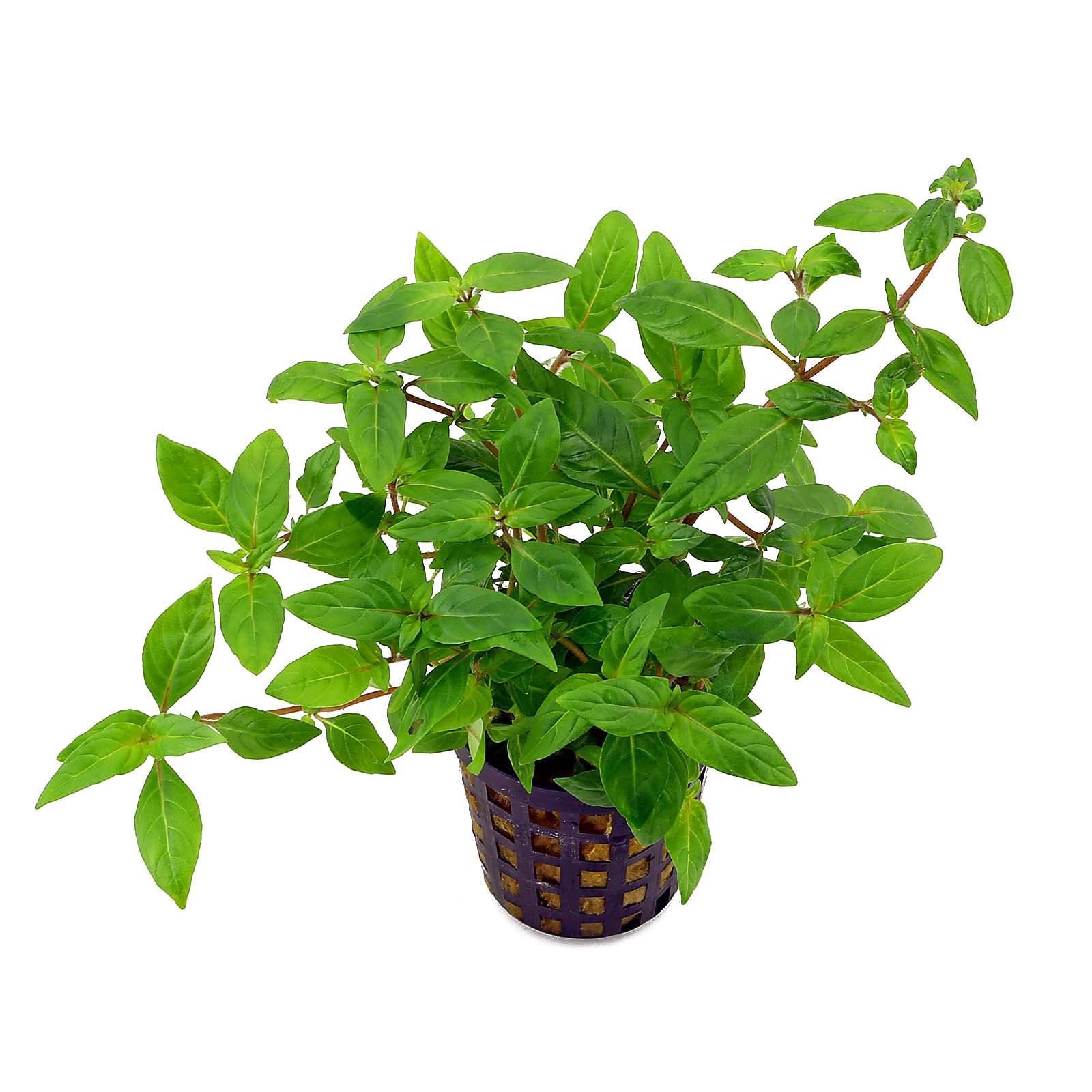
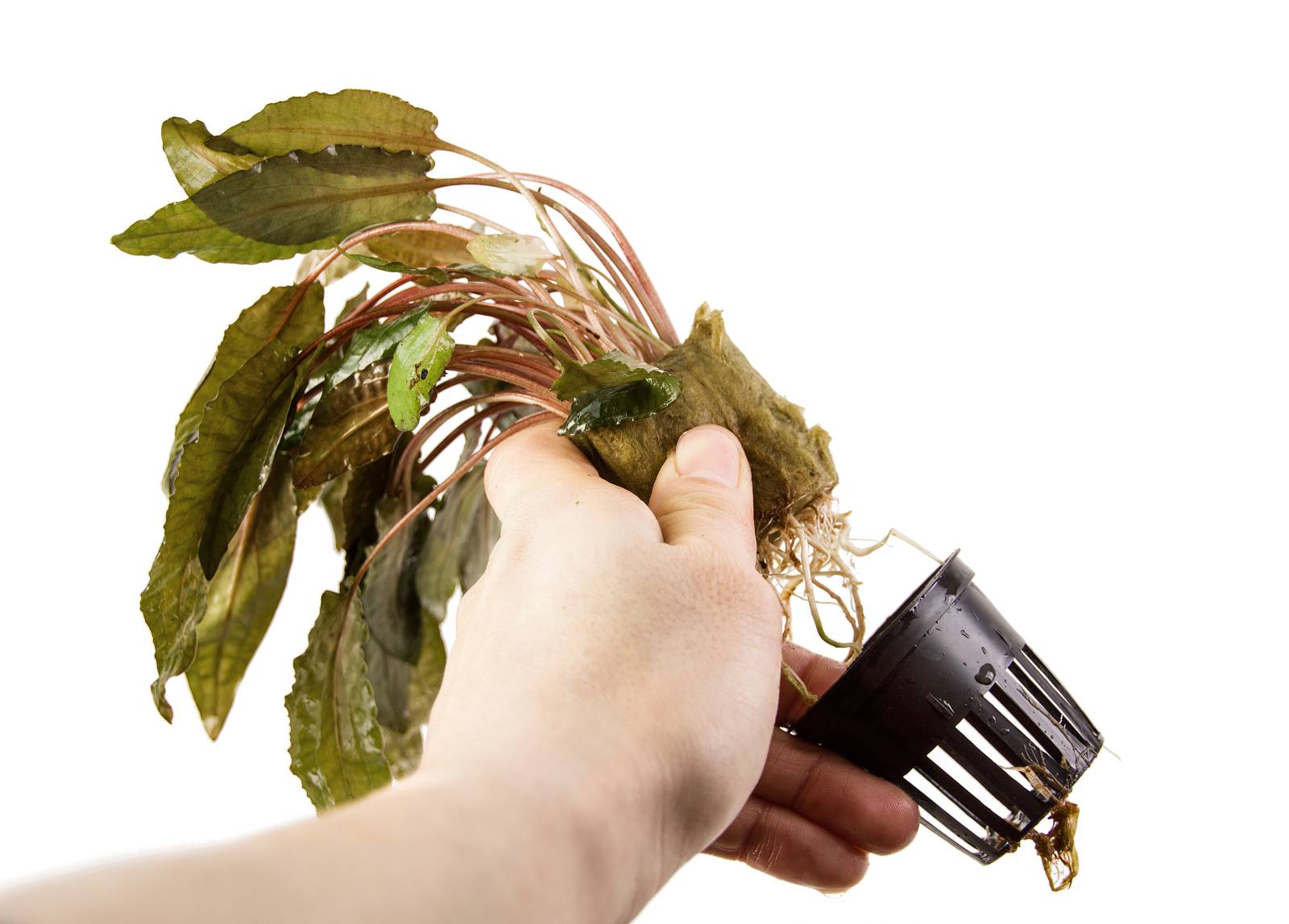
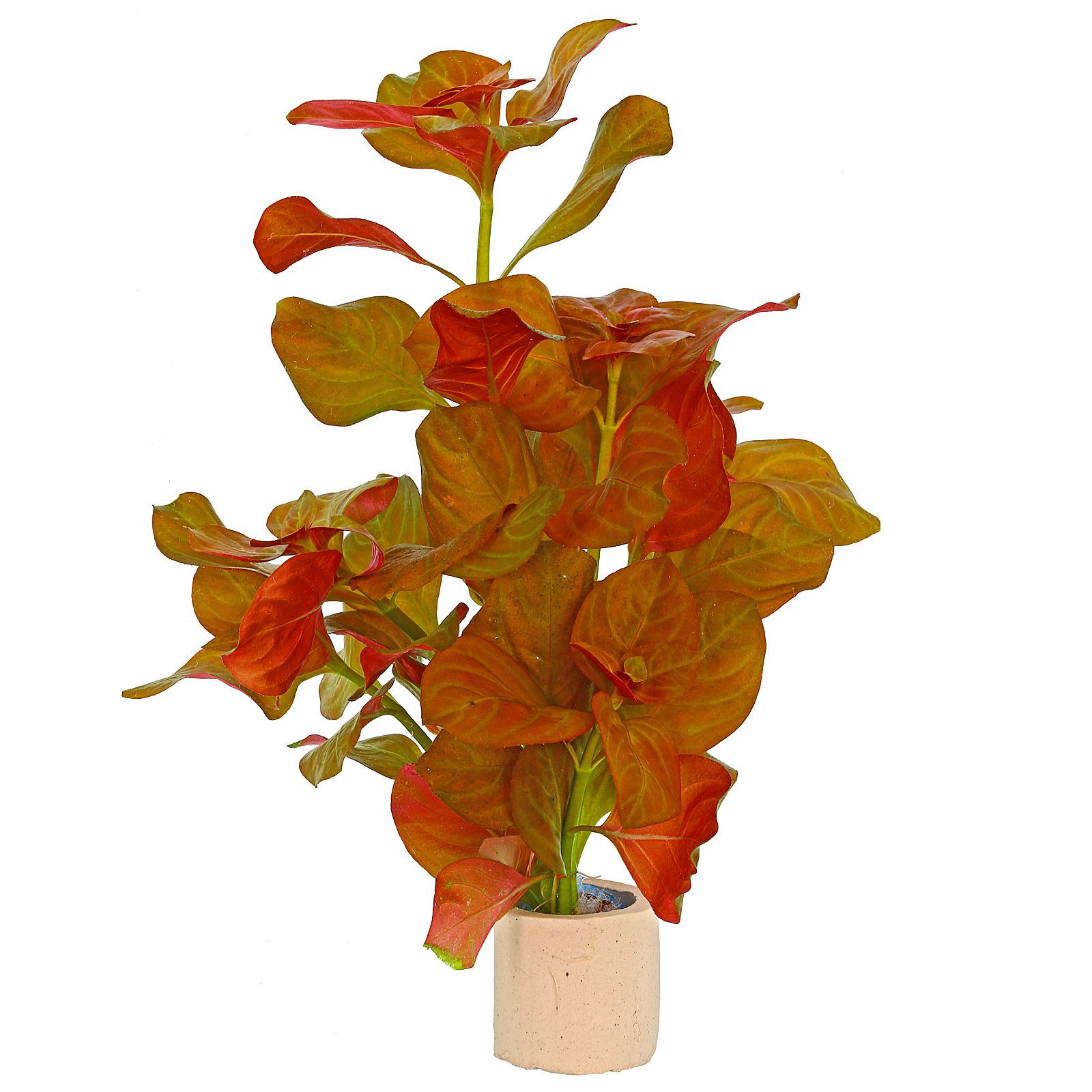
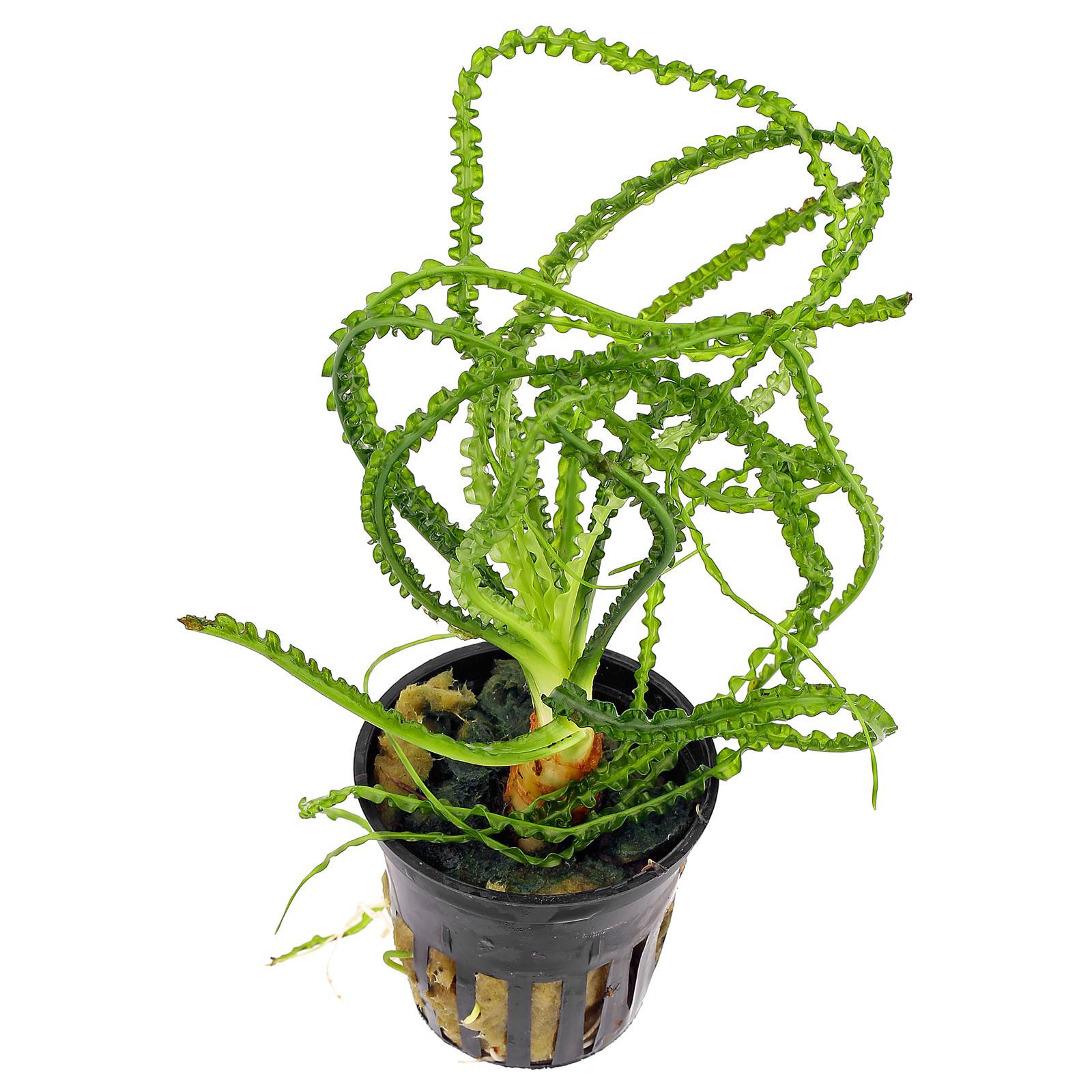
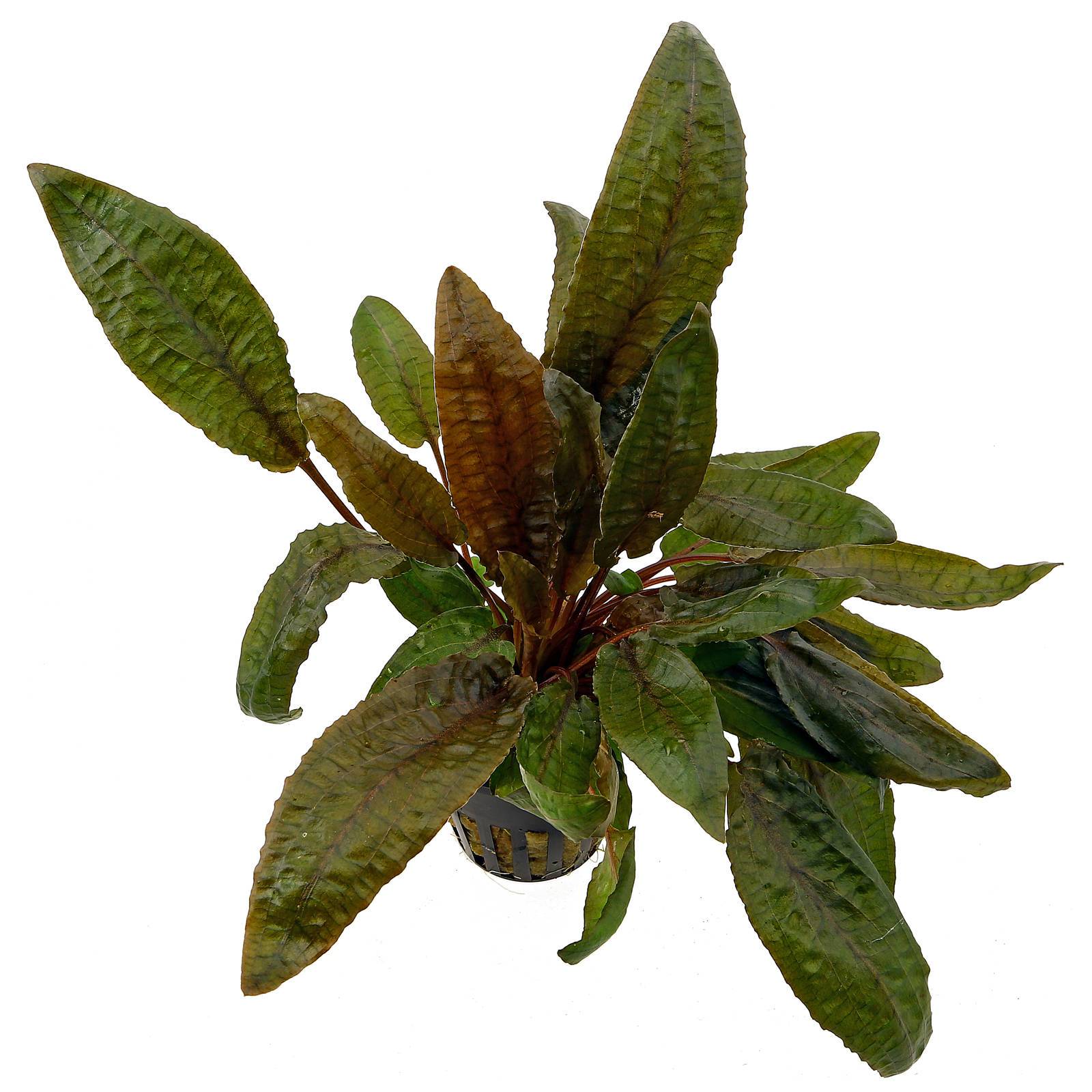
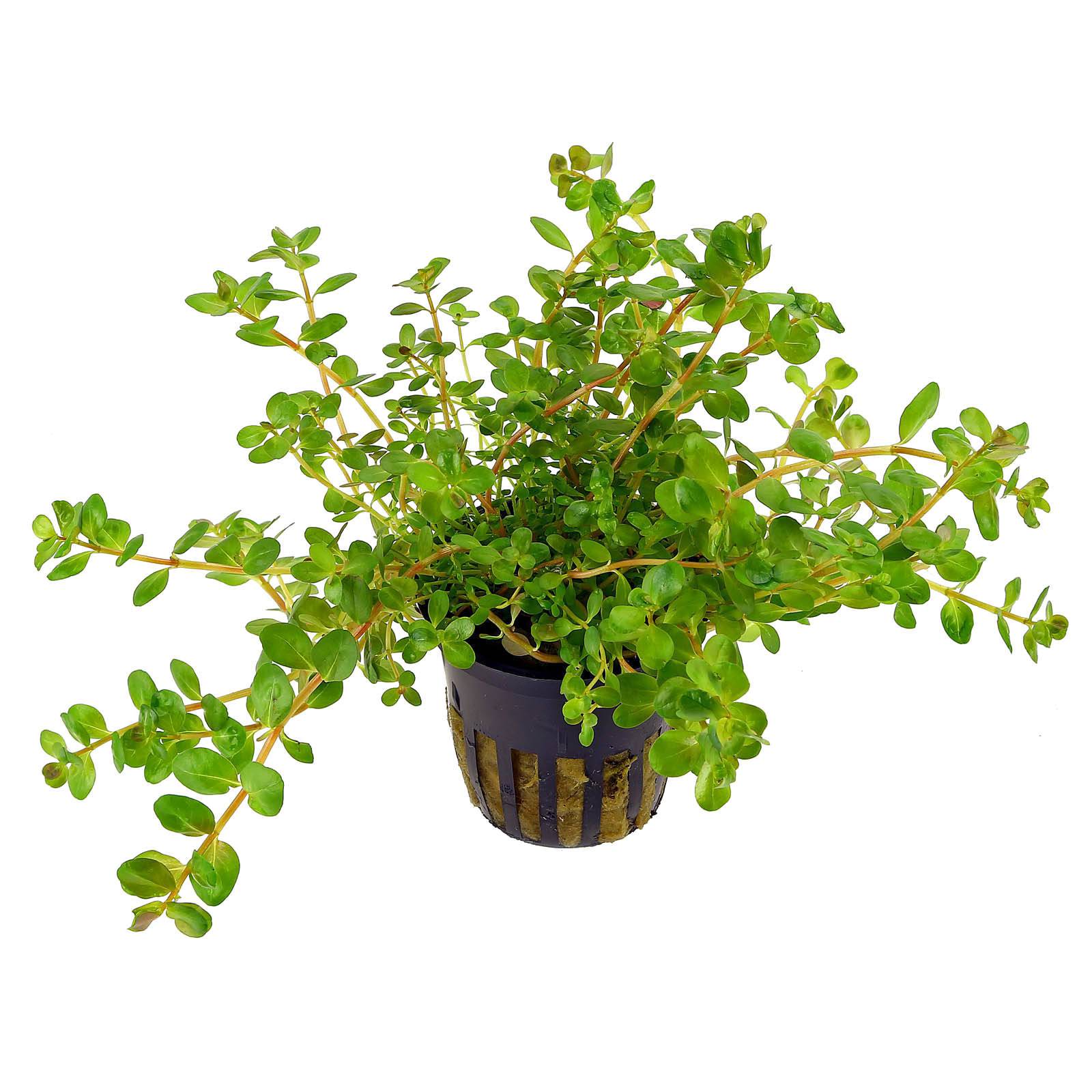
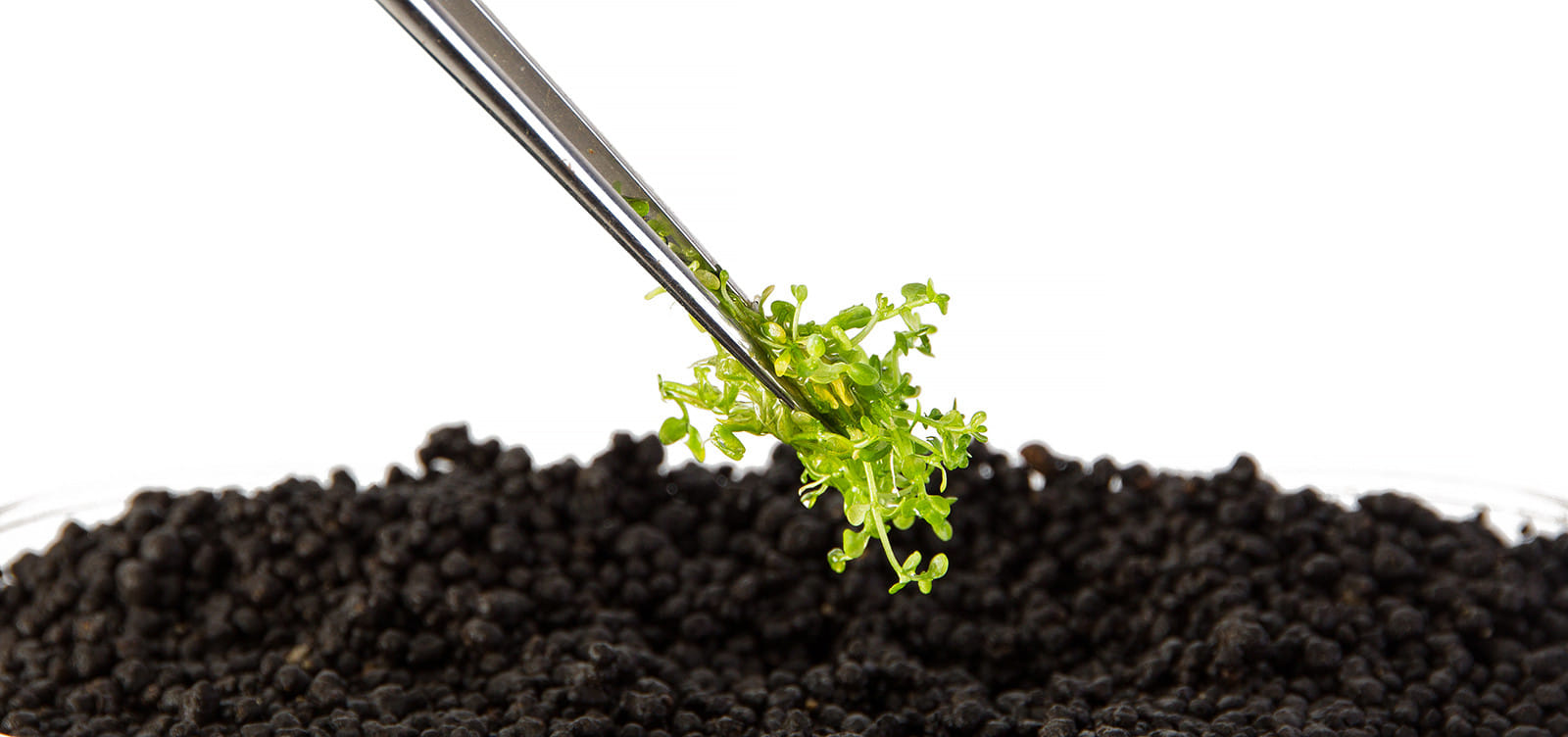
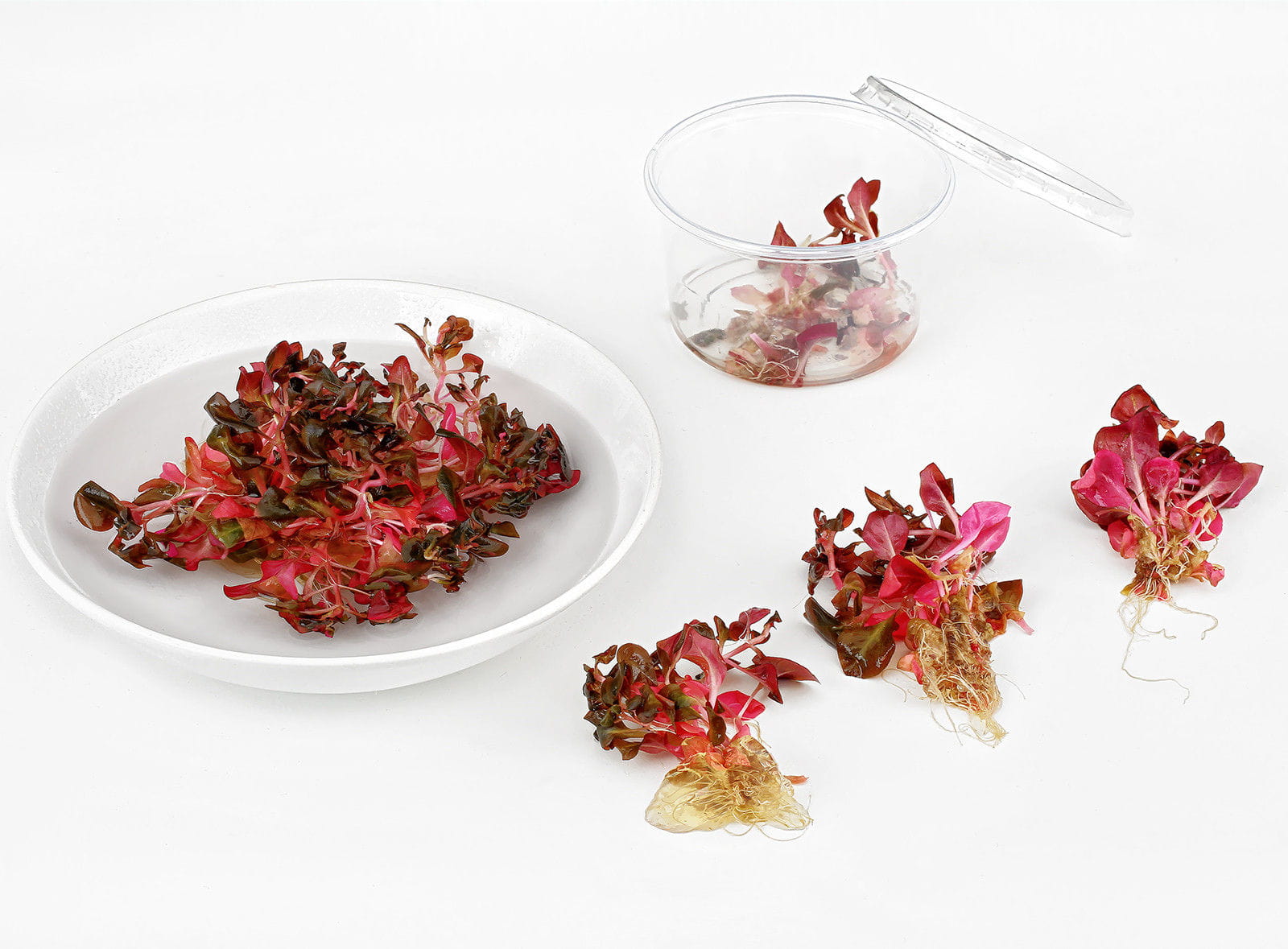
In the aquarium trade, aquatic plants are offered either as bunches, in vitro or as potted plants grown emersed (i.e. out of the water). In the article "In vitro or potted?" we explain the differences as well as the advantages and disadvantages of the various ways aquarium plants are cultivated.
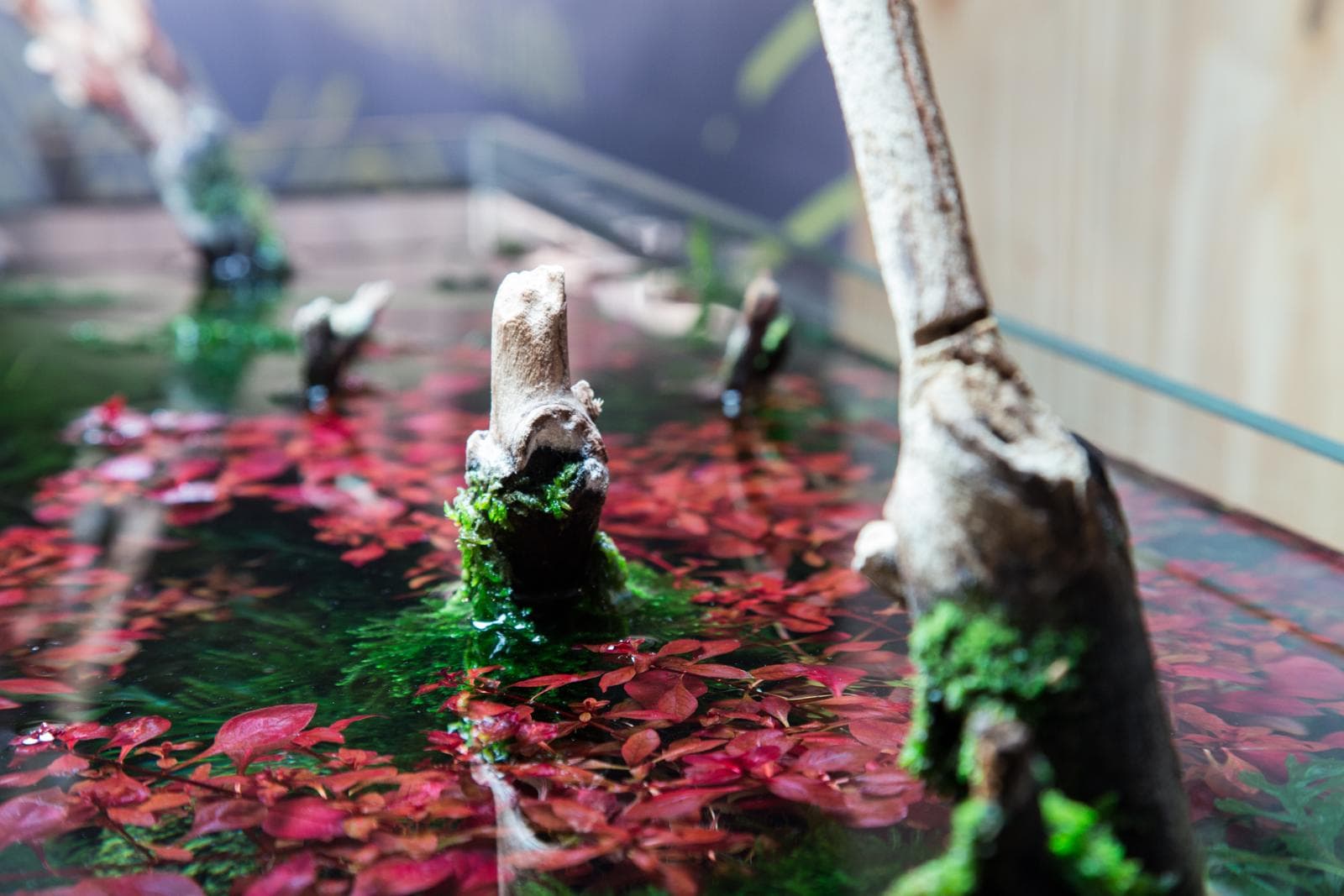
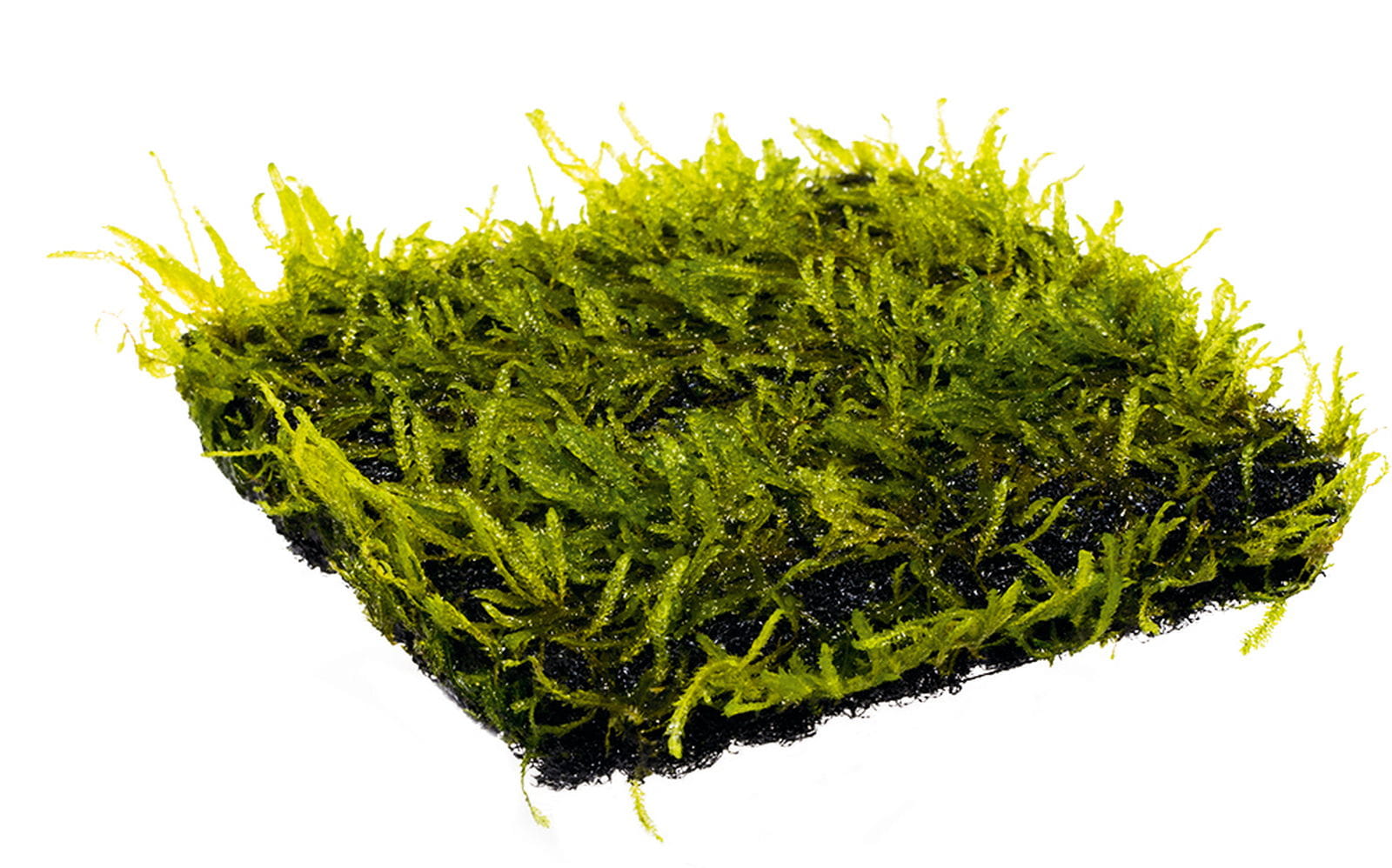
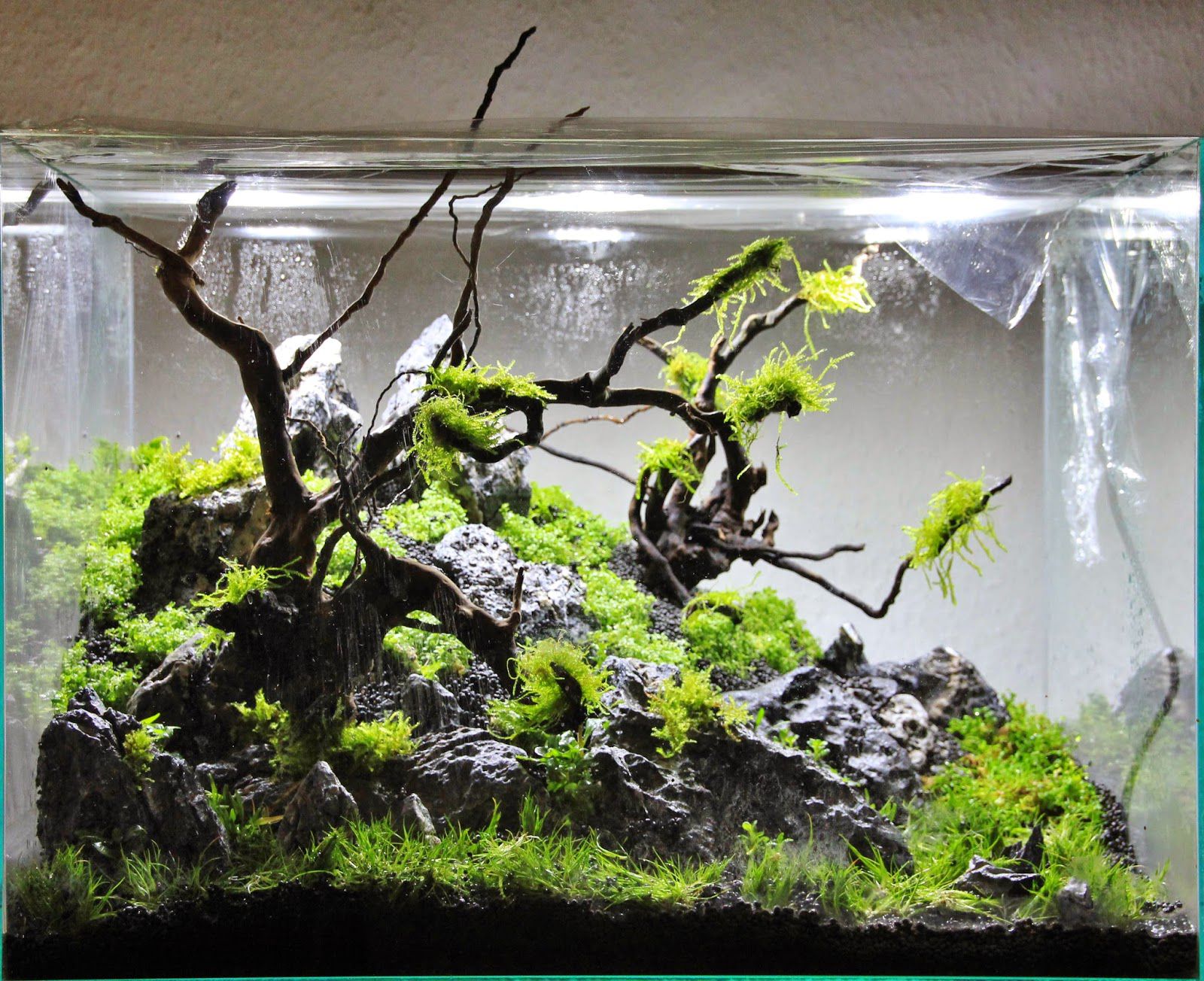
We also take a closer look at alternative planting options, such as using the ISTA planting aids in the form of pads, as well as the so-called dry start method, known in aquascaping jargon as the "Dry Start".