 Aquarium: cycling with soil
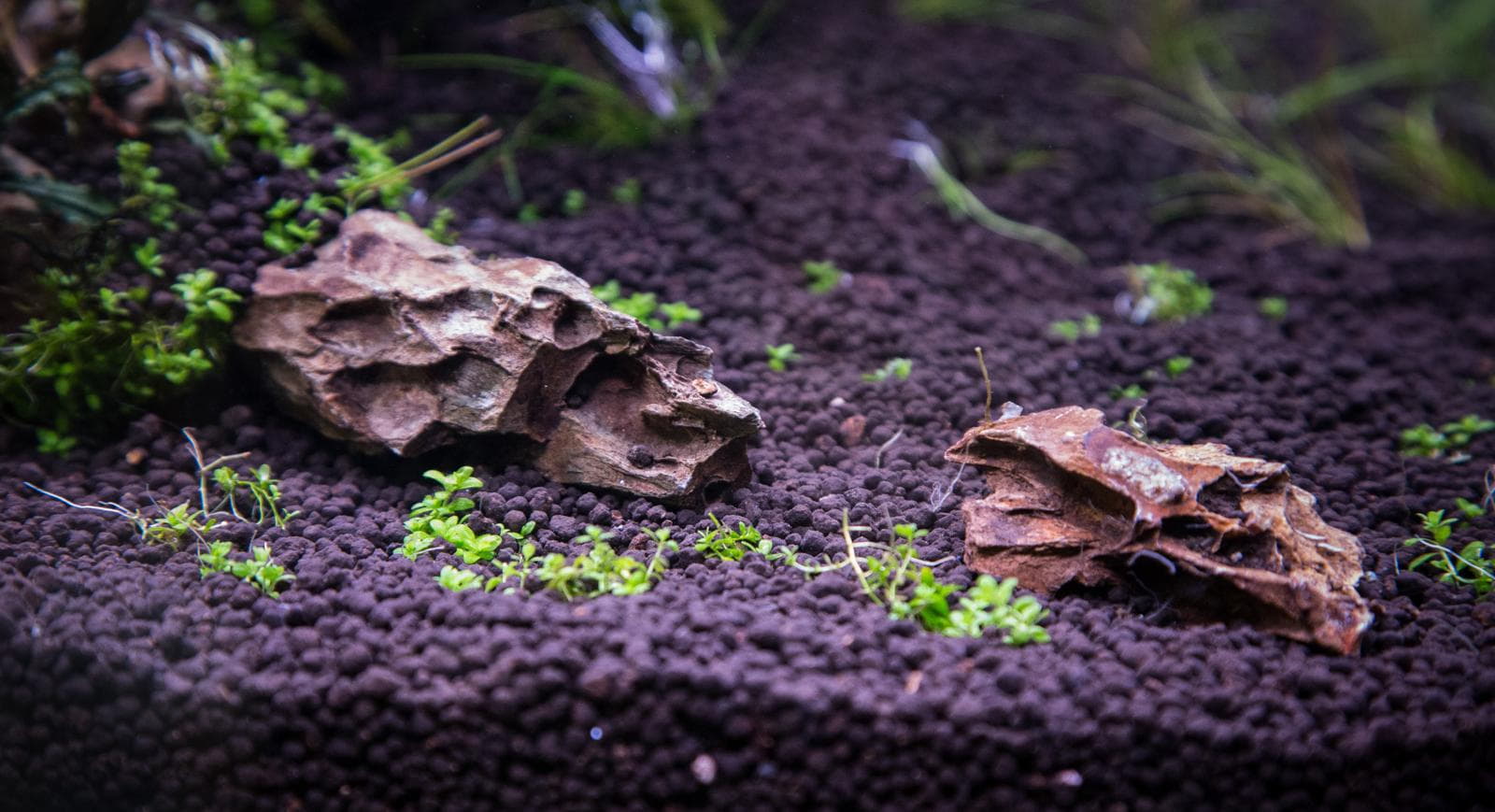
Soil substrate is an active substrate for aquariums, available in various versions from different manufacturers. Thanks to its ability to exchange cations, active soil offers a lot of benefits for planted aquariums and aquariums with shrimp, because it provides soft and acidic water. In an aquarium with soil, there are a few things to keep in mind, especially during the cycling phase, which we would like to go into in more detail here.
How soil works
Soil substrate actively influences the water parameters in the aquarium. This happens because of its ability to exchange cations. As a result, soil slightly acidifies the water in aquariums and makes it softer. As a cation exchanger, soil removes minerals such as calcium and magnesium from the water, which reduces the general hardness. In return, hydrogen ions are released by the substrate. This process lowers the pH value and the carbonate hardness. In exchange, nutrients for the plants in the aquarium can also be released, provided it is a nutrient-rich soil. We have presented the exact way this special aquarium substrate works in more detail in a separate article here. With a longer run time, the effect of the hydrogen ion release diminishes, but the cation exchange capacity is in principle retained.
Different types of soil
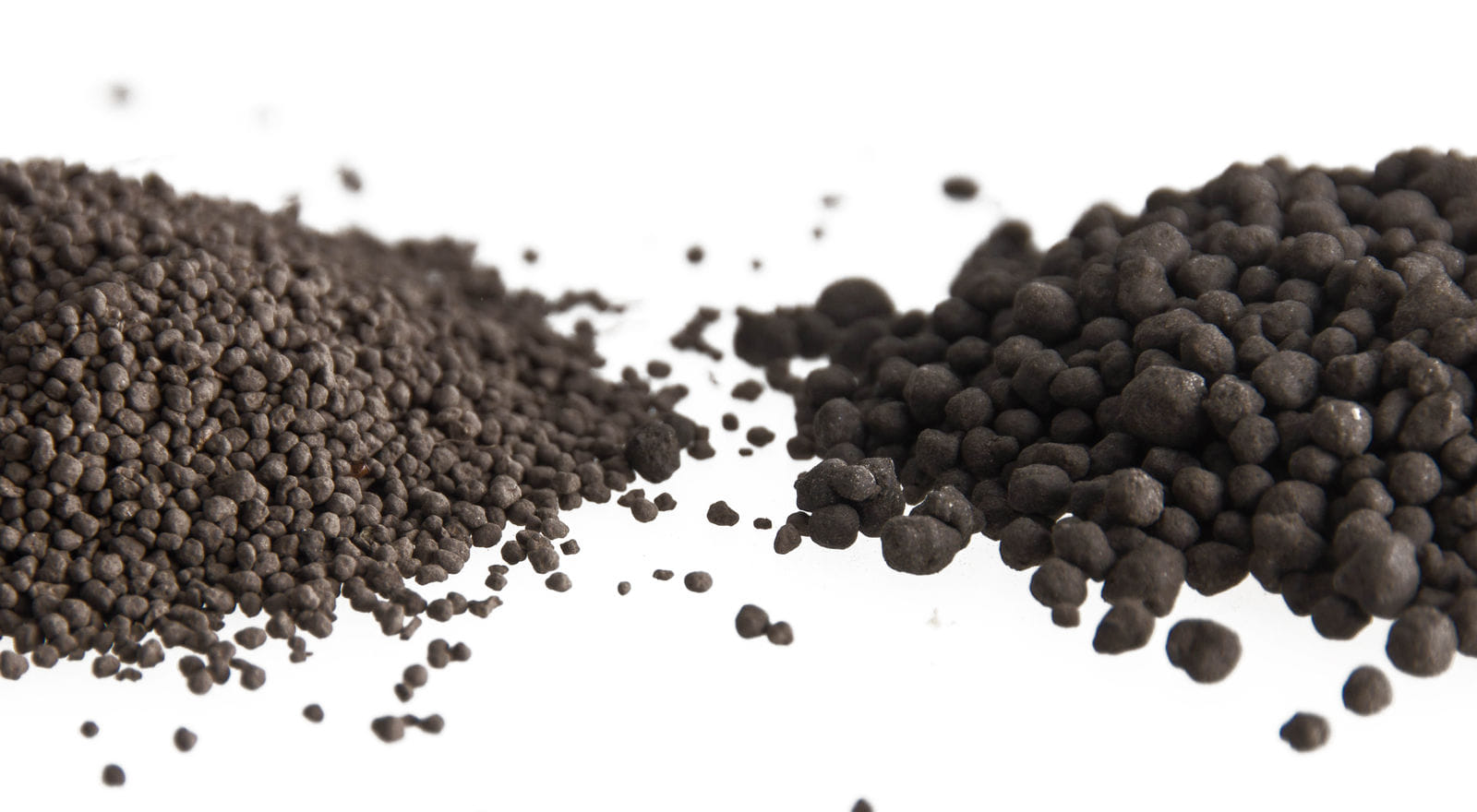
Still, soil is not the same as soil. On the one hand, there are different types for different purposes, and on the other hand, the varieties differ from manufacturer to manufacturer. Basically, there are on the one hand soil substrates that are rich in nutrients and are therefore well suited to planted aquariums. On the other hand, particularly in shrimp breeding for soft-water shrimp (such as bee shrimp, Taiwan bee and hybrid breeds), soils are often used that have good cation exchange capacity but are low in nutrients. These are, after all, not necessary for a breeding aquarium that is usually planted little or not at all, and in case of doubt they would rather harm the valuable high-grade breeding shrimp. You can find an overview of the different soil types in our online shop here.
In the following, we would like to address the particularities of a soil substrate enriched with nutrients. This is used in a planted aquarium. When setting up a new aquarium layout, there are a few things to consider when handling this substrate during the cycling phase.
Tips for the cycling phase of a planted aquarium with soil
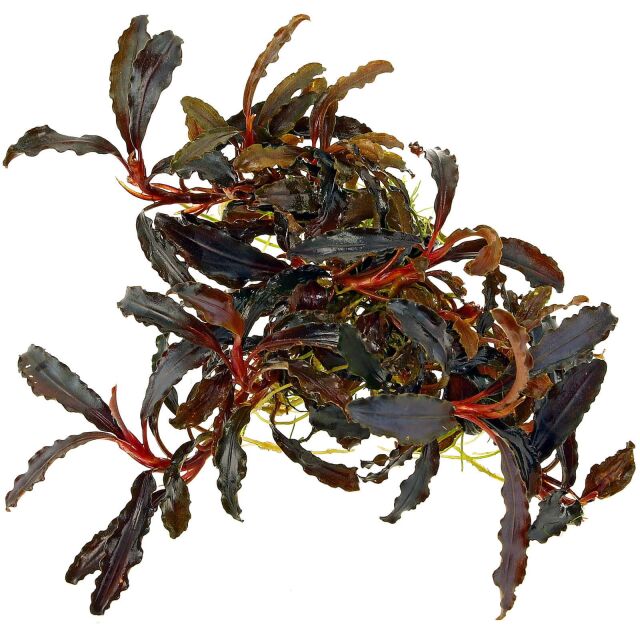
Soils that are very generously equipped with nutrients, such as the classic ADA Aqua Soil Amazonia, require special handling for the first weeks. When the soil is still fresh, quite a lot of nutrients such as ammonium are released within a short time. This circumstance meets an ecosystem that is not yet stable, with still little plant mass and few of the bacteria responsible for the nitrogen cycle. This coincidence can create conditions that strongly promote algae without appropriate maintenance measures. In addition, new soil can act very aggressively in this initial period because of its increased cation exchange capacity and acidify the water as a whole, or at least the substrate area, too strongly. If you also use rather soft source water, there is a risk of over-acidification or even a pH crash, which aquatic plants like to answer by dissolving and falling apart into mush. Certain species such as Bucephalandra in particular are especially susceptible to this (in this article we described the phenomenon of aquarium plants turning mushy in more detail).
Water changes
For both the nutrient peaks in the initial period and for banishing the risk of over-acidification, there is a classic aid that we can recommend without reservation for a planted aquarium with soil in the cycling phase: the water change. On the one hand, it removes excess nutrients and (depending on the composition of the fresh water, of course) brings in new minerals again, which can buffer the effect of the soil. Depending on the soil variant, some manufacturers therefore even recommend a daily water change, as large as possible, of 50% or even more in the first weeks. The temporary use of special filter media such as activated carbon can also help during the cycling phase in a soil aquarium and remove nutrients from the water. Once the aquarium has been running for a few weeks, the water changes can be reduced step by step, so that in the end you arrive at a weekly water change.
Water hardness
Water hardness can also be regulated with the help of water changes. First of all, it is important to know the general hardness and carbonate hardness of the source water (you can find this information in the drinking water analysis of your water supplier). During a water change, the supply of fresh water serves to avoid over-acidification by the soil substrate. Monitoring the carbonate hardness and general hardness in the aquarium water by means of suitable water tests helps to keep track in the first period. Preferably, the KH should not drop to 0 and the GH should ideally stay in the range of at least 6 °dGH. The regular, large water changes thus support the stability of these values.
Of course, the development of the water parameters depends very much on what the source water is like. You should not use completely demineralized water (for example from a reverse osmosis system), since it brings no minerals at all and can therefore even encourage over-acidification. Source water that is too hard is not ideal either, however, because the cation exchange capacity of the soil is then exhausted very quickly, and because immediately after the water change very many cations are exchanged in a short time and nutrients are thus released (see also "Soil and hard tap water"). A good compromise has proven to be relatively soft water with a low but detectable carbonate hardness and a general hardness in the range of about 6 °dGH. Consequently, the water in the aquarium is moderately hardened with the help of suitable hardening salts or adjusted to ideal values by adding RO water. This counteracts any over-acidification, but the water is not so overloaded with minerals that the soil can become exhausted quickly.
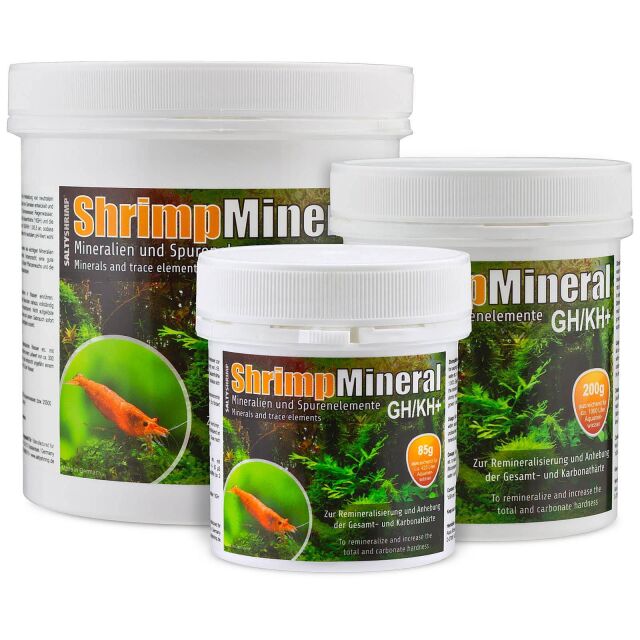
SaltyShrimp - Shrimp Mineral GH/KH+, a typical hardening salt.
This precaution is limited in time. After a few weeks, the behavior of the soil should have stabilized at a normal level, and then the support measures can be reduced as well. This means: gradually fewer water changes, and any adsorbing filter media such as activated carbon can be removed from the filter.
Tips for avoidance: the dark start
To get around the problem of aggressively acting soil in the initial period, the so-called dark start has become more and more established in aquascaping. For this, an aquarium is set up with substrate and decoration (hardscape), flooded and then run for a few weeks without plants and without light. The aquarium is only filtered. After about four weeks, the tank is then planted and afterward operated as normal with lighting. You can find detailed instructions for this here.
Tips for avoidance: sensitive plants
Especially with sensitive aquatic plants (Bucephalandra or Blyxa japonica may be mentioned as examples), it pays to be a bit patient and to do without these plant species at first during the cycling phase. Only after a longer run time (four weeks and longer) can you gradually add such plant species, when the aquarium is running more stably. This reduces the likelihood that these aquatic plants will run into problems and dissolve or suffer other damage.