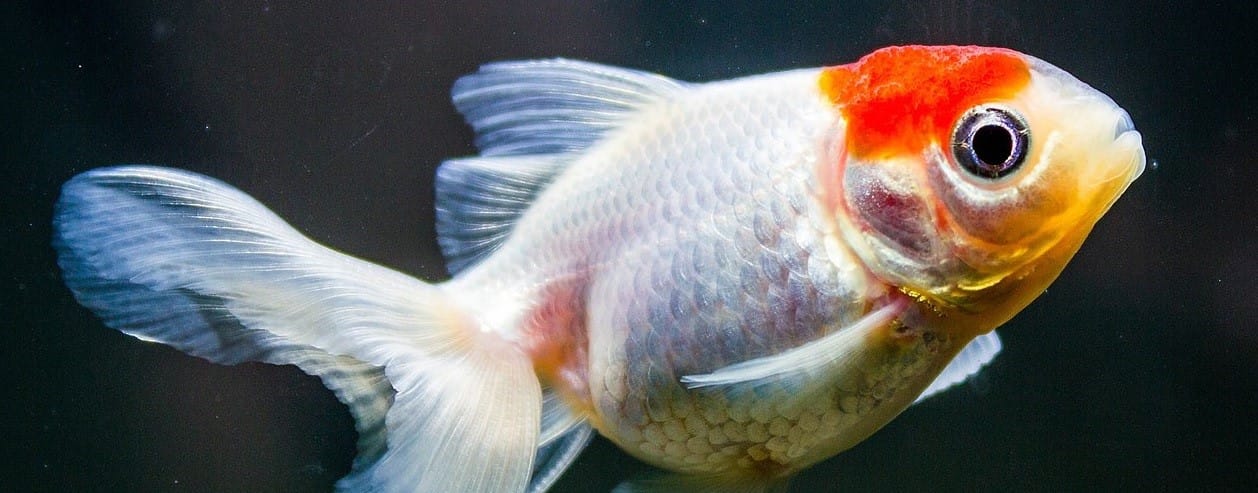
 The coldwater aquarium
Source and copyright of the header photo: Ricardo Leon via Wiki Commons - Own work, License: CC BY-SA 3.0.
Besides tropical ornamental fish and aquatic plants, species from somewhat cooler climates can also be kept in an aquarium. For this, different water parameters are needed, such as cooler temperatures. This is then called a coldwater aquarium, which we present in more detail here.
Water parameters in a coldwater aquarium
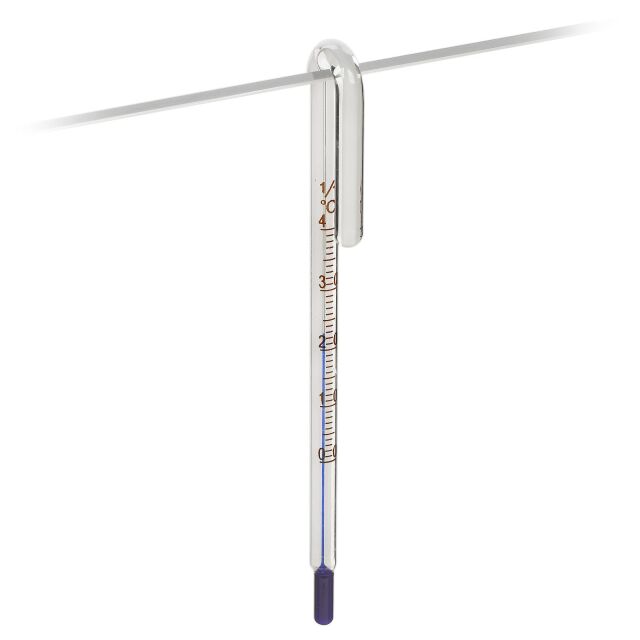
Exactly which water parameters a coldwater aquarium needs depends primarily on the stock. There can be different needs here with regard to water hardness and pH value. What all coldwater aquariums have in common, however, is that the water temperatures are rather cool. As a rule, you can therefore do without a heater, which can lower the electricity costs of such an aquarium. Coldwater does not necessarily mean that "icy" temperatures below 10 °C must be maintained permanently. Rather, so-called room temperature of around 20 °C is entirely sufficient here. Depending on the stock, the temperature may even fluctuate further with the seasons, being higher in summer and considerably cooler in winter. This corresponds to the natural biological rhythm and is very beneficial for reproduction and breeding in many fish species.
Aquatic plants in a coldwater aquarium
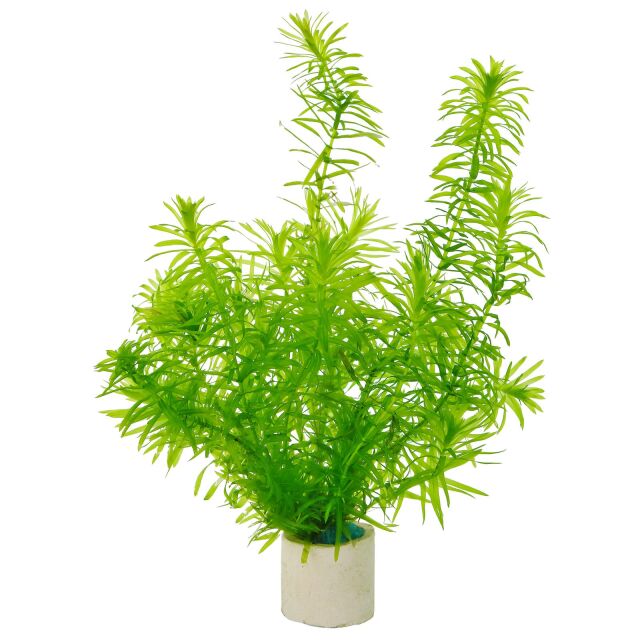
Quite a few aquarium plants also cope well with lower temperatures. The temperature tolerance of aquatic plants is often underestimated, because many of the species we keep in the aquarium even come from temperate zones. This results in a fairly substantial selection; very popular classics such as waterweed are often coldwater plants, since the origin of the aquarium hobby in Europe also lies in the coldwater aquarium.
In principle, you can find aquatic plants for every design level here. The selection of suitable mosses also includes many different species such as Fontinalis antipyretica, but also Java moss, sickle moss and riparia moss.
You will find a detailed list and various recommendations for coldwater aquarium plants here.
Substrate in a coldwater aquarium
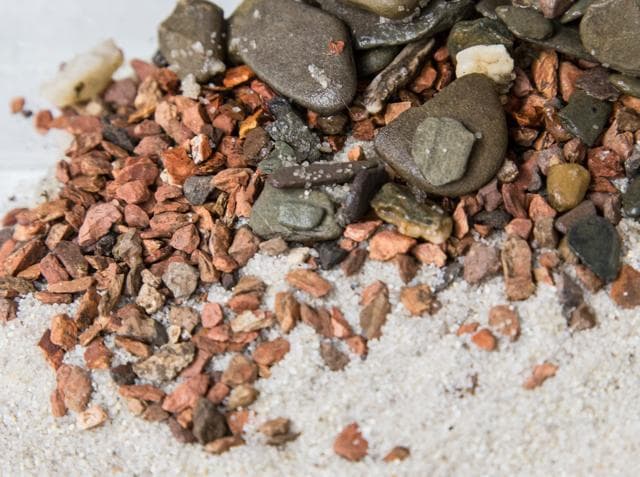
Which substrate the aquarist chooses for their coldwater aquarium depends primarily on the animal stock. Coldwater aquariums are often intended for fish species that come, for example, from streams and rivers with strong currents. Here a gravel bottom is often the right choice (for example for a goldfish aquarium), but sand can also be a good option if finer substrate matters for the bottom dwellers. A particularly natural ambiance is created if you combine different grain sizes of gravel and, for example, use considerably larger pebbles up to stones as more eye-catching decorative elements.
Decoration in a coldwater aquarium
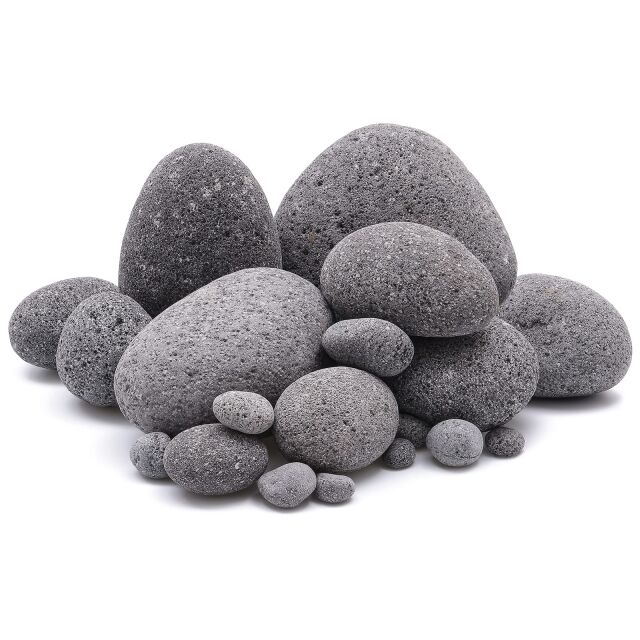
Of course, the full range of decorative items can also be used in an aquarium with colder water. Stones and driftwood in particular create a very natural environment here, providing many hiding and breeding opportunities for the inhabitants. In addition, a clever arrangement with the so-called hardscape and also aquatic plants provides good structure in the aquarium. Territorial animals, for example, readily take to these given structures to find their place in the underwater world.
Inhabitants of a coldwater aquarium
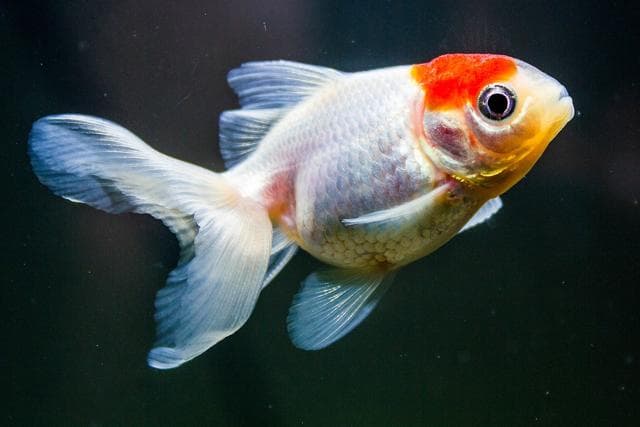
A goldfish veiltail. Source and copyright: Ricardo Leon via Wiki Commons - Own work, License: CC BY-SA 3.0.
Quite typical fish in a coldwater aquarium are the best-known and oldest aquarium fish of all: goldfish. Because of the adult size to be expected, they need quite large tanks. Since they like to forage in the substrate, a gravel bottom is highly recommended here. Unfortunately, the animals sometimes also go after aquatic plants, so here you should turn to cichlid-proof aquarium plants that also tolerate cool water well. In this article we have listed a few examples.
But native fish species such as sticklebacks, or animals that you would otherwise keep in the garden pond, can sometimes also be kept in a coldwater aquarium. Sunbleak may be mentioned as an example. Since these are often group animals, a school of these fish needs a sufficiently large aquarium. To absorb the corresponding water load, strong filtration is necessary, as are regular water changes.
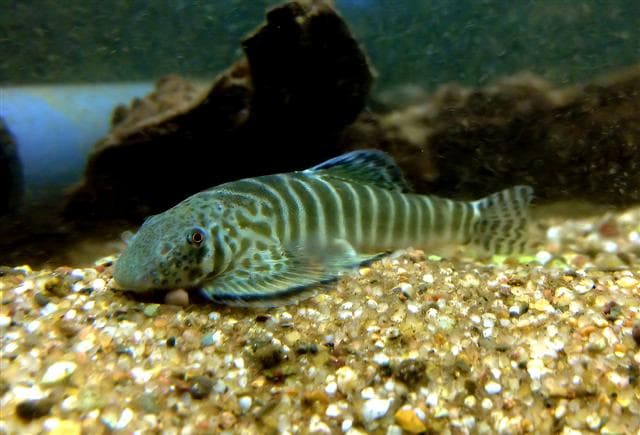
A hillstream loach Pseudogastromyzon fasciatus. Source and copyright: Gregoire Germeau via Wiki Commons - Own work, Source, License: CC BY 3.0.
Various gobies and hillstream loaches from Asia, which depending on the species are used to cooler temperatures, are also well suited. They often come from clear-water streams that are rich in oxygen and have a strong current. A so-called stream aquarium, equipped with good filtration and circulation pumps, is a good fit for these animals. Gravelly to sandy substrate and a few flat stones make up the right furnishing for such an aquarium.
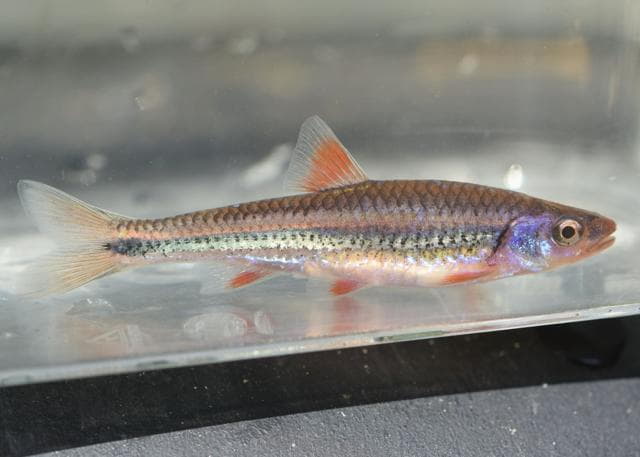
Rainbow shiner Notropis chrosomus. Source and copyright: skitterbug via Wiki Commons - Own work, Source, License: CC BY 4.0.
Some coldwater fish are also known from North America. A special specimen here is the so-called rainbow shiner (Notropis chrosomus). This colorful fish, which can be kept as a schooling fish in a coldwater aquarium, is also known in German as the Regenbogenelritze. Low temperatures in winter are important; this is a decisive prerequisite for the successful breeding of these animals. Coarse-grained gravel is a good choice as spawning substrate.