 Substrate fertilization
In addition to liquid fertilizers, you can supply your aquatic plants in a very targeted way via their roots. This is usually done with a nutritious substrate such as soil. To further stimulate the growth of certain plants significantly or to add fertilizer to those aquarium substrates poor in nutrients, such as gravel or sand, substrate fertilizers in the shape of balls, tabs or sticks are very popular.
The various aquatic plant species absorb nutrients in varying degrees via their leaves, stems and root system. Aquarium plants that mainly feed via their roots can benefit from a specific substrate fertilization to a high degree. These include, for example, Crypts, Echinodorus or Vallisneria.
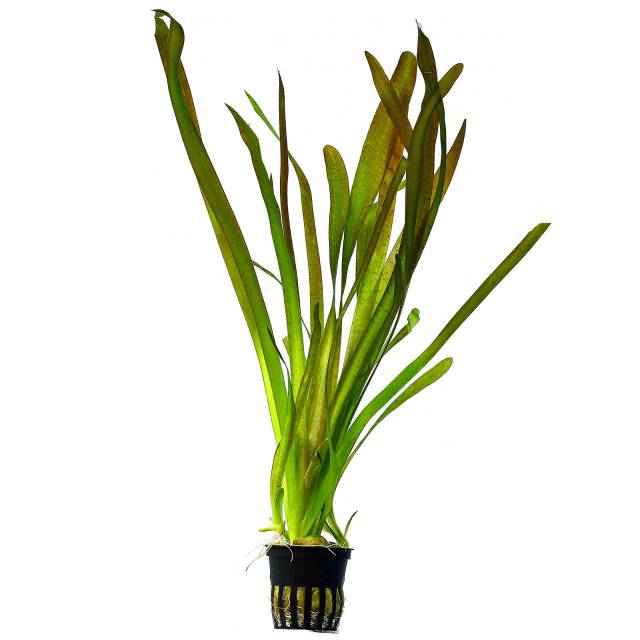
Supplying nutrients via substrate fertilization
If you have read our feature article on "Fertilizing a planted aquarium", you’ll know that aquatic plants require different nutrients. Besides light and carbon (supplied with a CO2 system), they also need the so-called micronutrients and macronutrients. Those are very easily supplied via substrate fertilization.
Micronutrients
We call trace elements important for the plants "micronutrients". The first and foremost of them is iron, followed by manganese, boron, zinc and other metals in trace quantities. Deficiency symptoms that hint to a lack of trace elements, and iron in particular, can be detected quite easily. The aquatic plant then often has white shoot tips (more info on that topic can be found here). Especially if only certain plants have deficiency symptoms, the problem can be well remedied by a specific soil fertilization. The following products are undergravel fertilizers, and primarily contain micronutrients:
- Seachem Flourish Tabs: Contain all the ingredients of the liquid fertilizer Flourish, but in dry tablet form.
- JBL The 7 balls: Classic fertilizer ball, relatively hard surface.
- Borneo Wild RED B: Fast-dissolving fertilizer tabs. Can be placed optimally with the Flowgrow Injector.
- ADA Multi Bottom: Slow-dissolving fertilizer sticks. Available in two sizes.
- ADA Iron Bottom: Fertilizer sticks enriched with iron, which release their nutrients very slowly and steadily. Available in two sizes.
- Easy Life Rootsticks: Clay sticks with a high iron content.
- Dennerle PowerTabs: Rich in trace elements such as iron and manganese, also contain magnesium as a macronutrient.
Macronutrients
The macronutrients include the elements nitrogen (N), phosphorus (P) and potassium (K), which are summarized by the abbreviation NPK. Plants need these substances in larger quantities. Here, too, deficits can be identified by certain symptoms (see here). The following substrate fertilizers contain primarily macronutrients:
- AQUARIO Neo plants tab: Tabs with the important macronutrients nitrogen, phosphorus and potassium, and micronutrients magnesium and boron.
- Tropica nutrition capsules: Capsules containing both micronutrients (iron, trace elements) and macronutrients (nitrogen, phosphorus).
Placement of substrate fertilizers
You place undergravel fertilizers like capsules, sticks or balls just as you would plant individual aquatic plant stems. With tweezers this work is done in no time. This tool helps you place the products much deeper in the ground than you ever could using just your fingers. In addition, no substrate has to be "shoveled" aside for this. When placing the fertilizer media you should always take their range into consideration.
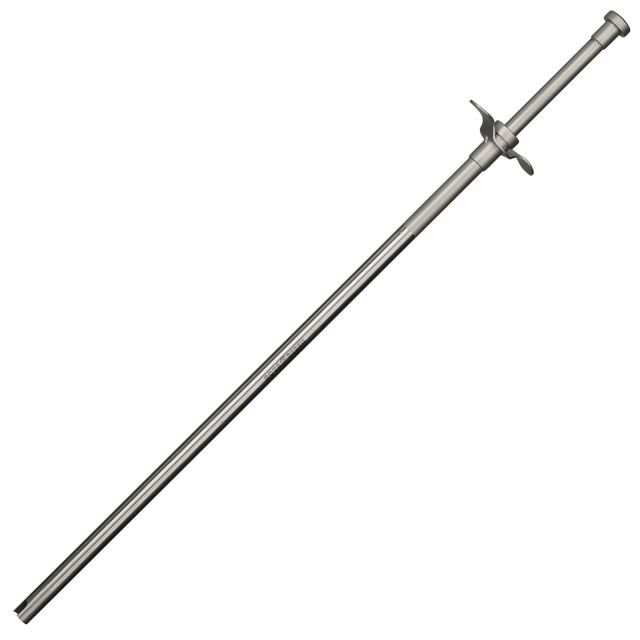
An even better tool is a so-called injector, which serves for inserting sticks or capsules. Please make absolutely sure your injector fits the particular shape of the fertilizer product. The Aqua Rebell Injector is compatible with the Borneo Wild capsules, the ADA Bottom Release with the corresponding ADA sticks.
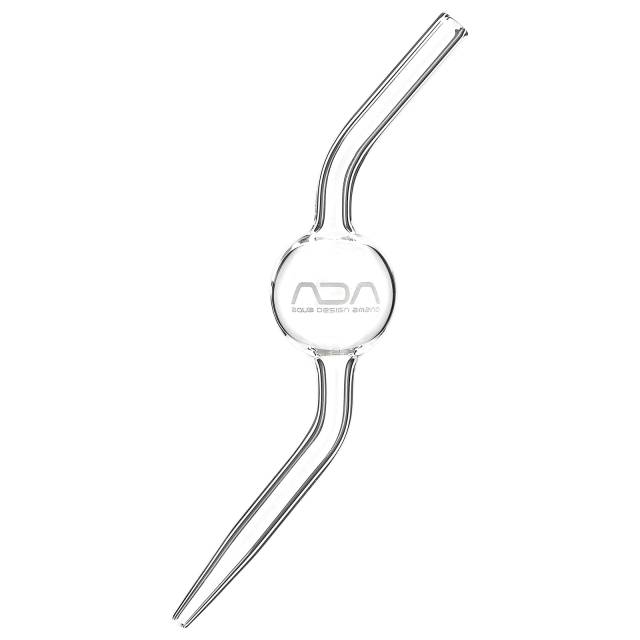
You can even use liquid fertilizers for supplying your aquarium plants with nutrients via the substrate. In order to improve the vitality of withering plants, you could for example use a syringe to introduce a little liquid fertilizer into the soil directly near the roots. Liquid fertilizer should preferably not come into contact with the water column, so the syringe must be inserted quite deeply into the ground. The Green Drop, manufactured by ADA, is another practical tool for the introduction of liquid fertilizer into the aquarium substrate. This dosing aid consists of a feed nozzle and a small fertilizer reservoir made of glass, which can be permanently installed in the aquarium with the enclosed hoses and suction cups.
Even during set-up you can directly saturate your aquarium soil with the corresponding nutrients your aquatic plants need. Many manufacturers, such as ADA, Dennerle or JBL, offer a coordinated basic soil system, with whose help you can optimally provide your aquarium plants with all the nutrients they can take up via their roots right from the start. In some systems a kind of long-term depot fertilizer is used under the cover layer of the substrate. This material often consists of coarser lava scraps or pumice, in order to obtain good water circulation even in deeper zones, thus improving nutrient transport and oxygenation. Some manufacturers recommend enriching this nutritious layer with pulverized additives, and sometimes also useful soil bacteria or activated carbon are added to stabilize the microbiology in the substrate and ensure clearer water. If you want to know more about this topic, we recommend the article "Building the substrate" from our Aquascaping Wiki.
