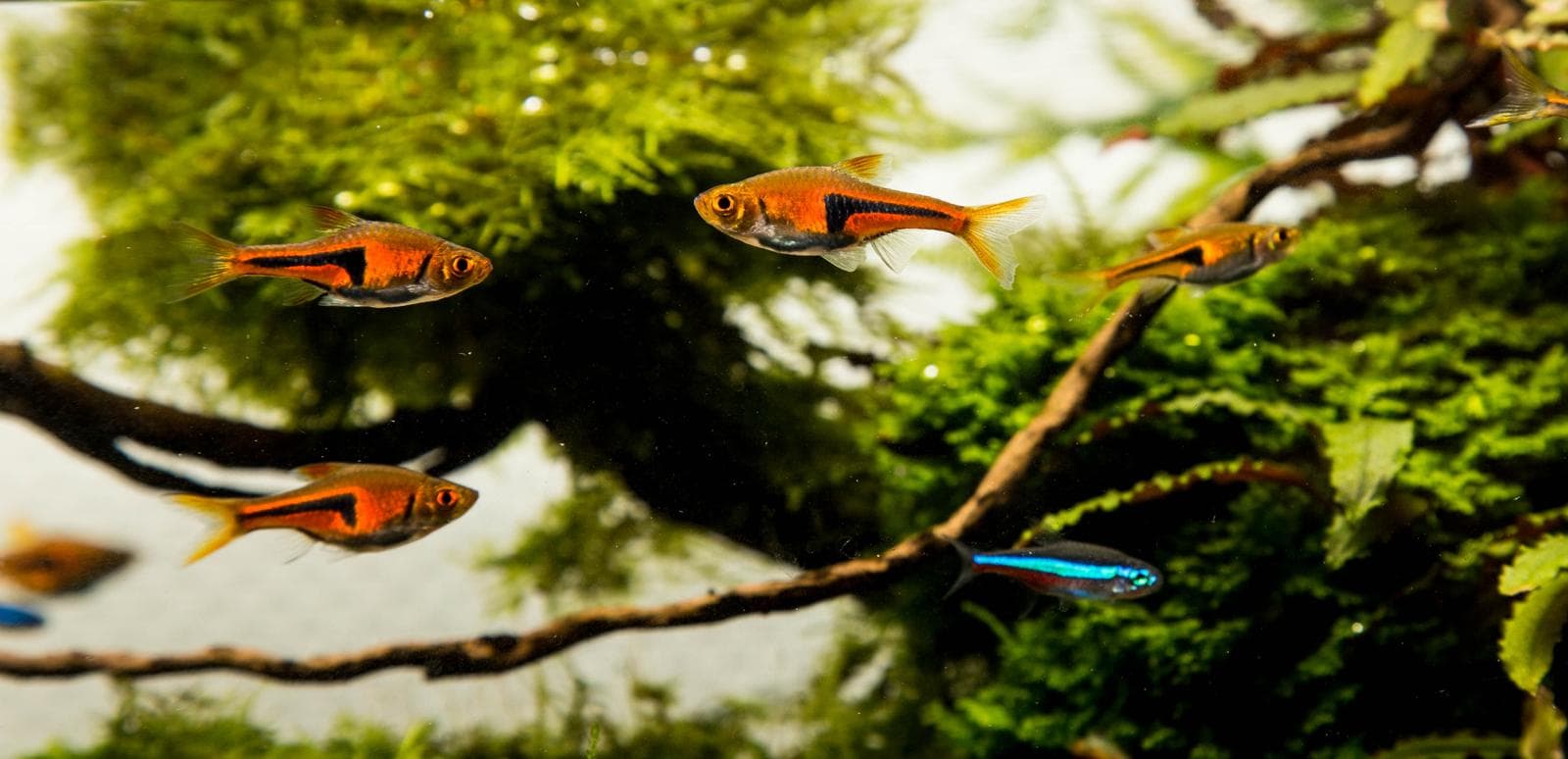
 Fertilization in the Community Aquarium
The community aquarium is still a popular classic in the aquarium hobby. Here, a wide variety of ornamental fish, but also invertebrates and aquatic plants, come together. To support the growth of the aquarium plants, you can lend them a hand with fertilizers in a simple way. Here we explain the options.
We explained in more detail what exactly makes a community aquarium in this article . Although this type of aquarium puts quite a strong focus on the fish, aquatic plants are also gladly used alongside decoration, to beautify the home of the aquarium inhabitants and offer them suitable hiding places and spawning sites. Typically, species that are quite easy to keep are used. To promote the health of the aquatic plants and boost growth, there are various fertilization options.
Liquid fertilization in the community aquarium
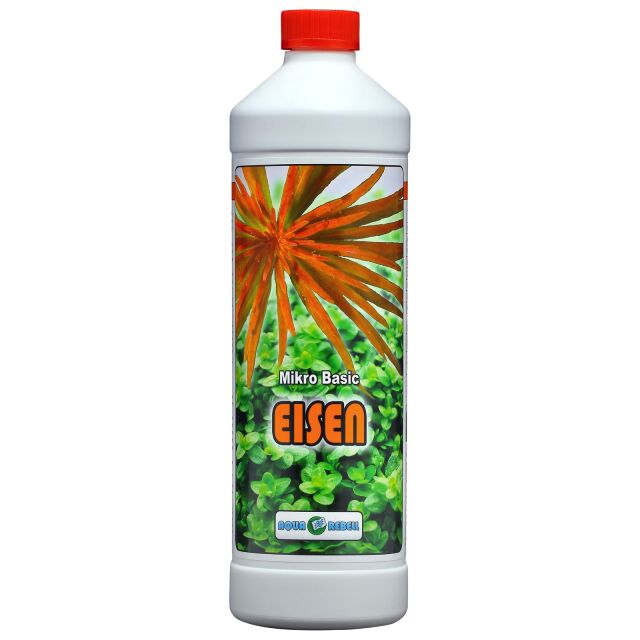
As a rule, a community aquarium is populated with many ornamental fish. Normal tap water is also often used here. For good growth, plants need micronutrients and macronutrients. Micronutrients are generally understood to be trace elements such as iron, but also copper, manganese, molybdenum or zinc. These are metals that are needed only in very small amounts (except iron, which plants do need in higher concentrations). Such trace elements are generally not contained in tap water. A so-called complete iron fertilizer such as Aqua Rebell Basic Eisen can close the nutrient gap here and supply trace elements as well as iron in the right ratio. If there are only a few aquatic plants, rather dim light and no CO2 system, however, you should use the dosage sparingly. Corresponding instructions for this are printed on the bottle or available as a recommendation in the Flowgrow Nutrient Calculator.
The many fish also put a certain load on the water, which ultimately shows up in higher concentrations of nitrate and phosphate. Care measures such as regular water changes can help here to remove excess nutrients and pollutants. The good news, however: aquatic plants take up elements such as nitrate and phosphate as nutrients and help to reduce the water load. Along with potassium, nitrate and phosphate are among the so-called macronutrients, which are often referred to as NPK. Potassium, on the other hand, is not produced as a waste product from food and fish waste the way phosphate and nitrate are. It is also often not present in sufficient amounts in tap water. If weekly water changes are carried out and/or there are somewhat more plants in the aquarium, nitrate and phosphate can even be deficient. The macronutrient fertilizer Aqua Rebell Basic NPK supplies the right nutrients for this, with enough potassium but also nitrate and phosphate portions.
This way, a community aquarium can be ideally supported in terms of plant growth with one or two bottles of fertilizer. All kinds of plants benefit from liquid fertilization, from stem plants and ground cover plants through epiphytes to heavy root feeders.
Substrate fertilization in the community aquarium
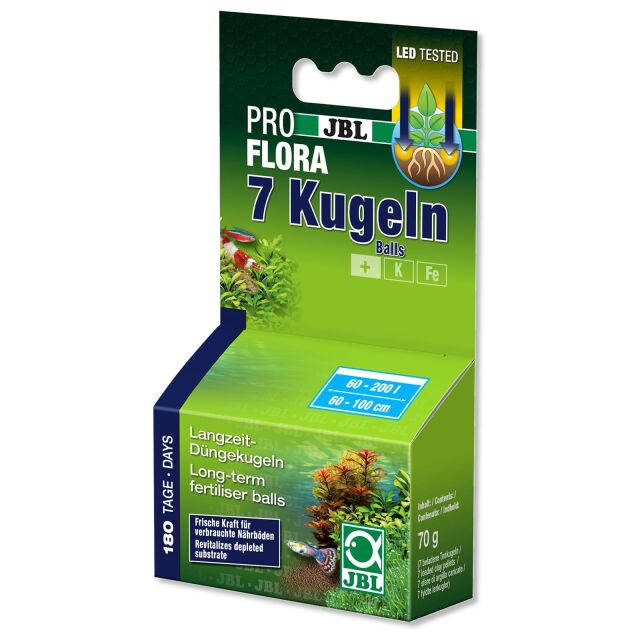
If the aquarium is dominated by plant species that count among the root-feeding types (such as cryptocorynes, Echinodorus, vallisneria), the aquarist can think about supplying nutrients via the substrate. You should be aware that epiphytes, floating plants and mosses then do not benefit from the fertilization, as they cannot reach the nutrients in the soil.
Neutral gravel is often used as substrate in a community aquarium. It contains no nutrients, but can be enriched with nutrient elements by substrate fertilizer placed underneath. In addition, individual plants can also be supplied very specifically via the roots by pressing fertilizer balls or fertilizer tablets into the substrate right next to them. The aquarist can choose between products that supply iron and trace elements and substrate fertilizer that contains NPK portions. This matters, because a full supply of micro- and macronutrients via the roots is also essential to achieve good plant growth.