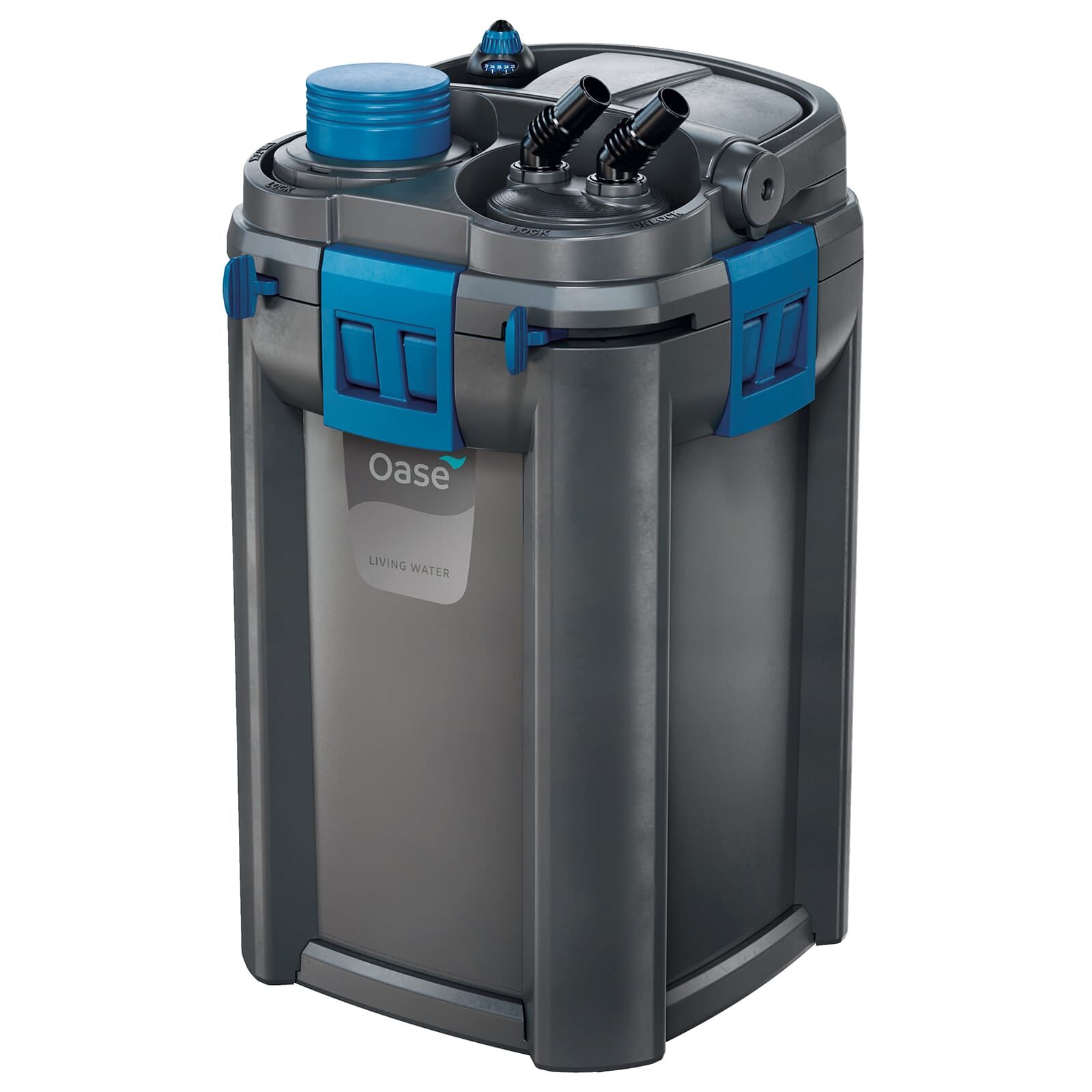
 Replacing the aquarium filter
If you have to replace the filter in an aquarium that has already been running for a long time, there are certain things to keep in mind. Many important bacteria live inside the filter, and they are indispensable for breaking down pollutants in the aquarium. Here we show you various ways to best replace the filter in a running aquarium without the aquarium inhabitants getting into trouble.
As mentioned, the filter materials of the old filter contain beneficial microorganisms that take part in the nitrogen cycle in the aquarium. They first convert ammonium (NH4) produced from organic waste into nitrite (NO2), and in a further step into nitrate (NO3). While the latter is, in principle, harmless to the inhabitants at the doses usual in an aquarium, nitrite is toxic even in low concentrations, especially for ornamental fish but also for some invertebrates in the aquarium. As the pH rises, the harmless ammonium in the water is increasingly converted into highly toxic ammonia (NH3), which is very dangerous for all fish, shrimp, crayfish and snails. A well-working filter therefore actively protects the animals in the aquarium from these toxic substances.
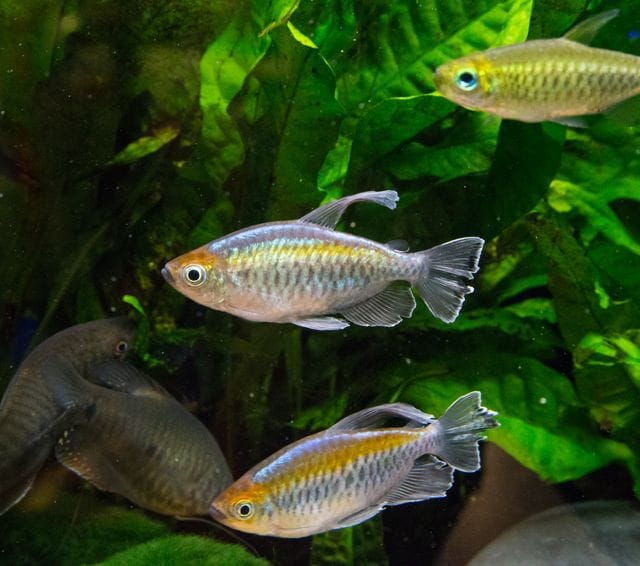
If you simply replace the old, matured filter completely with a new filter with fresh filter materials, important bacteria are removed to a large extent. Unfortunately, it takes some time until the microorganisms have established themselves in the new filter media, so because of the missing number of bacteria, the concentrations of ammonium/ammonia and nitrite in the aquarium may rise. This poses an immediate danger to the stock. Poisoned or even dead animals can be the result. So how do you solve this problem? We present some options in more detail.
General notes
In principle, such a filter change is quite a major intervention in the biological stability of an aquarium. Whichever measure you choose, the health of your stock should come first. As a precaution, it can therefore do no harm to observe the animals more closely over the next few days, to recognize any signs of poisoning and to take countermeasures. Testing the parameters ammonium/ammonia (NH4/NH3) and nitrite (NO2) more often is also a good way to monitor any rise in the substances toxic to fish.
Two filters on the aquarium
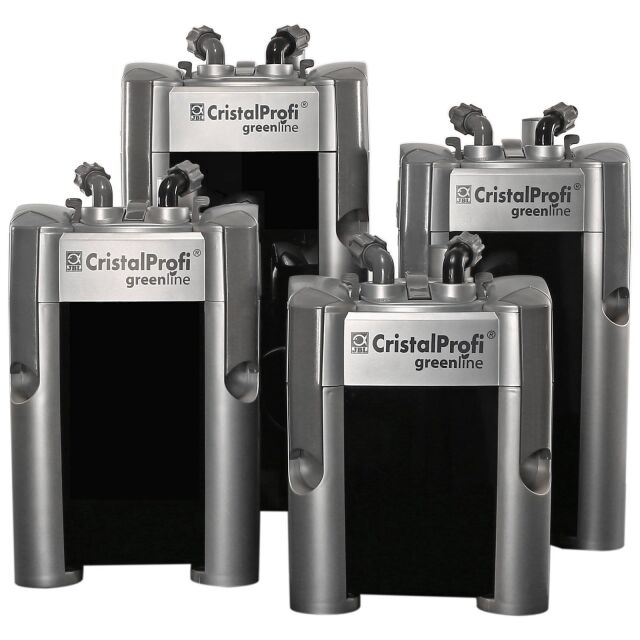
The first option for a (planned) filter swap is to simply let both filters run in parallel on the aquarium for a certain cycling period. The old aquarium filter keeps working as before, and the new filter is installed on the aquarium in addition. The prerequisites, of course, are on the one hand that the old filter still works and on the other that you have the necessary space in and on the aquarium for two devices. This method has the advantage that no important bacteria are lost (they are in the old filter, after all) and the new filter can "cycle in" in peace in terms of the nitrogen cycle.
Once this phase of about two to three weeks is over, you can simply uninstall the old filter while the new filter keeps running. Afterward, though, you should definitely continue to watch your animal stock closely and keep an eye on the ammonium and nitrite levels. According to the experience of some aquarists, a rise in the dangerous fish toxins can still occur.
The assumption is this: although two filters massively increase the colonization sites for bacteria, if there is not enough supply of food, the bacteria do not fully colonize the sites. So you still remove a large part of the bacterial population with the old filter, and a similar, but usually much weaker phenomenon can occur as with an abrupt filter swap.
First, the bacterial strains that convert organic load into ammonium develop fully. The oxidation to nitrite and on to nitrate cannot keep pace with it, however, because the corresponding bacterial populations have not grown to the same extent and still have to develop fully. As a result, an ammonium spike occurs and later a nitrite spike, which the shrunken stock of microorganisms cannot buffer sufficiently.
The remedy here is to seed the new filter media and/or add a bacteria starter made specifically for filters.
Swapping the filter materials
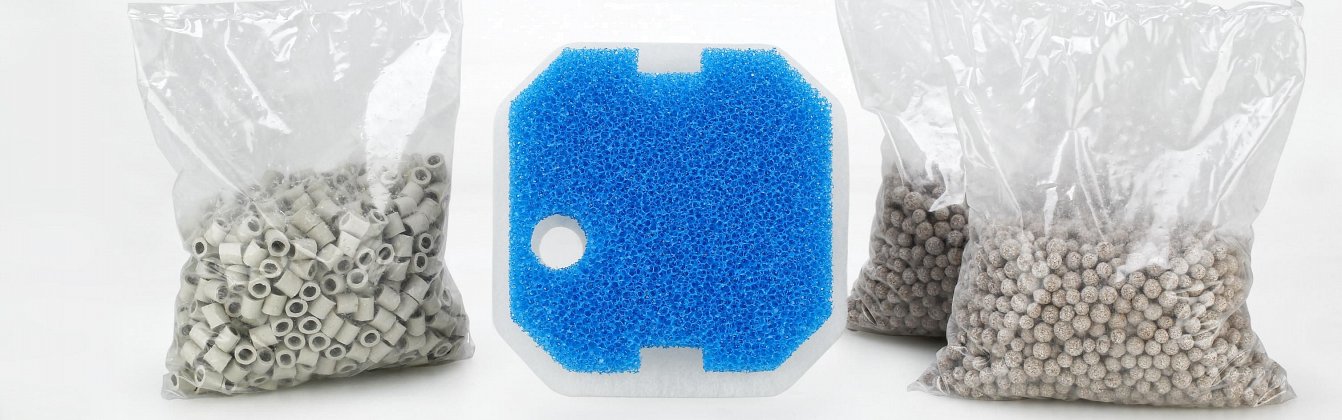
Another good option would be to simply transfer the old filter materials completely and not cleaned, or only roughly cleaned under cold running water, and pack them into the new filter. Remains of old filter sludge still in the filter housing can also be transferred along with them to take the bacteria living in it with you. This of course assumes that the filter media of the new and old filter models are reasonably compatible or can be made to fit. With loose filter material this is usually not a problem; with precisely fitted filter sponge it is more difficult. Here you could try trimming elements that don't fit a little. If there is no suitable solution, you can use the first layer of filter floss / filter foam or the pre-filter of the new filter and place the complete old filter media underneath.
This method has the advantage that it is quite simple and allows nearly all the already established bacterial cultures from the old filter to be transferred. After a while, as part of normal filter maintenance, you can gradually install the new filter materials and thereby replace the old filter media. You should proceed step by step here, though, and never replace everything at once.
Seeding the new filter
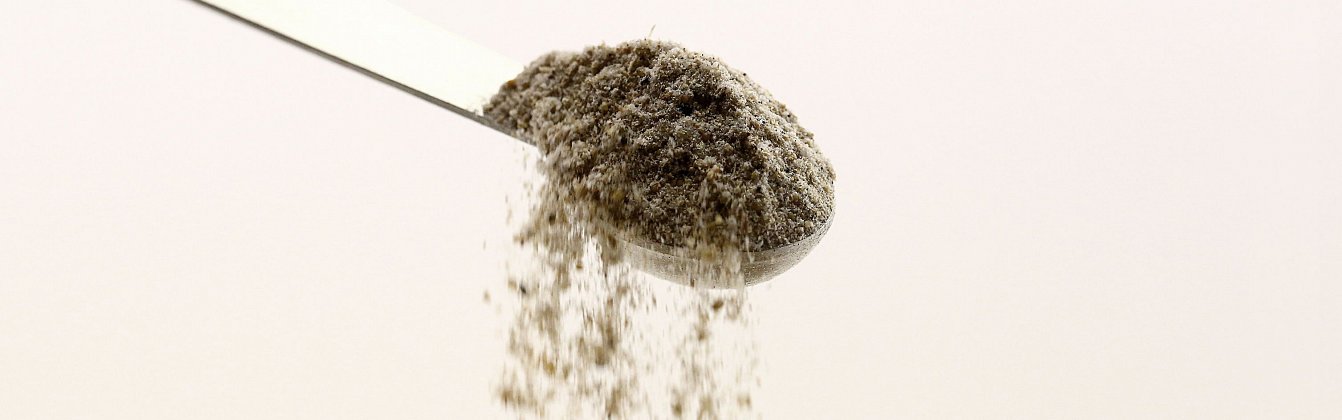
Because the bacterial flora in an aquarium adapts very precisely to the conditions in the habitat, it can be greatly reduced to just a few species that work perfectly under exactly the conditions prevailing in the aquarium. Of course, such impoverishment always carries the risk that the bacterial flora can no longer work well when conditions change - that can be just a new light or a different fertilization plan! For this reason, it is advisable anyway to re-seed a running aquarium now and then with a suitable bacteria product - this introduces new strains, and an adapted flora can then develop again in the aquarium from the many bacterial species in the product. A filter swap can be a good opportunity for such a bacterial reset - in this case, you would simply remove the old filter, connect the new filter and seed the media directly according to the package instructions with a bacteria starter made specifically for starting a filter. In the aquarium itself, larger populations of filter bacteria adapted to the aquarium usually also sit on the surfaces and can do their part.
This method makes sense especially when, for example, the old filter media cannot be transferred when switching from an internal filter or hang-on-back filter to an external filter.
Caution: with such a radical filter swap, despite the seeding, you have to check the ammonium levels and the nitrite content of the aquarium water carefully over the following two weeks and, if necessary, do an extra water change outside the usual schedule! It can also help to feed the fish and invertebrates in the aquarium only very sparingly in the days after the filter swap or, if the stock can tolerate it, not at all.