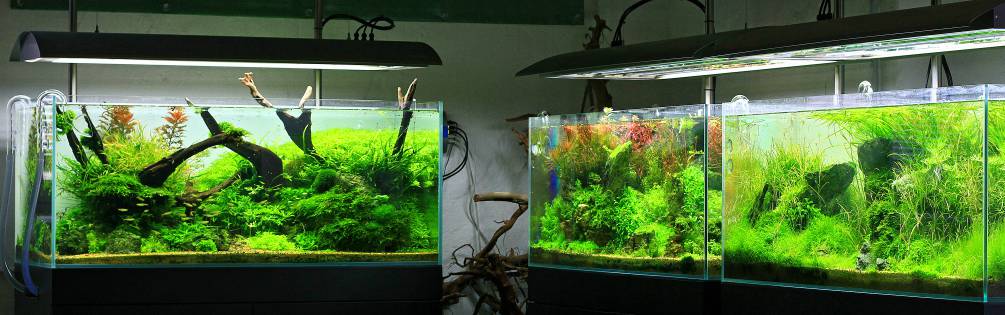
 Vacation and your aquarium
Everyone surely knows the problem: the well-deserved vacation is coming up, and in your mind you are already relaxing on a South Sea beach. But what happens to the aquarium in the meantime?
Surely the best option is to find someone who looks after the aquarium during your vacation. Neighbors, friends or relatives are often asked anyway to check on the apartment or house now and then and to water the plants. With a little training, these people can certainly take over the care of the aquarium as well.
Preparation
It can't hurt to do a generous water change before you leave, especially if no fresh water can be added during the vacation. In addition, all equipment should be checked. The filter should not be cleaned completely. However, you are welcome to replace fine filter materials such as fleece or floss, or to wring them out under running water. The main purpose is to keep the flow rate of the filter from dropping too much later on because of clogged filter material. For the same reason, the intake strainer should be cleaned.
Open aquariums tend to lose a lot of water to evaporation, especially in summer. A strongly dropping water level should be avoided, among other things so that all the technical equipment can work properly. The "vacation stand-in" could be asked to top off the evaporated water, or you can leave this to an automatic top-off system. To reduce evaporation, you can also fit the aquarium with a cover glass for this period, which holds back condensation.
Major changes to the system or the equipment of the aquarium (for example a change of lighting, purchasing new equipment, buying new animals or plants, etc.) should never be made shortly before you leave. Allow an observation period of at least one to two weeks before your absence, or postpone the changes until after you return.
Feeding
As long as the aquarium is not a rearing tank in which mainly juveniles are raised, but just a normally stocked aquarium with a few fish, shrimp and snails, there is no particular cause for concern. Most animals are naturally used to periods when they do not find large amounts of food every day. Most animals get through a manageable period of a few days without additional feeding. An aquarium that has been running for a while and has enough plants and decoration is usually rich in various microorganisms and biofilms that the inhabitants can feed on.
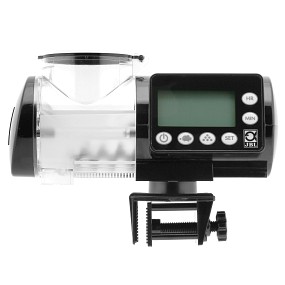
If you want to be on the safe side, you can of course use an automatic feeder for the time you are away, or ask the person caring for the tank to feed the animals while you are gone. Make sure they are properly instructed and that feeding is sparing, especially if no water changes can take place during this period. The organic load should be kept as low as possible during this time. We recommend portioning the fish food in advance so that there are no misunderstandings about the food portions. You should also agree on the frequency of feeding with your vacation stand-in. This is especially important if this person has no experience with aquariums. Non-aquarists often overestimate the food needs of "begging" animals.
CO2
If you run a pressurized gas system, you should definitely check the cylinder pressure before you leave on vacation. If it is running low (near the 50 bar mark or already below it), it is better to swap the cylinder for a fully filled one before your vacation. The reason is this: as the cylinder pressure drops, a normal pressure reducer increases the working pressure, which results in a higher bubble count and CO2 injection. This can lead to too high a CO2 concentration in the aquarium water and possibly endanger the livestock. Normally, when you are at home, you would turn the working pressure down a little by hand at regular, short intervals. But if this does not happen because of a longer absence such as a vacation, the excessively high CO2 content in the water can endanger the health of the animals. A good way to avoid this, by the way, is to use a dual-stage pressure reducer, which keeps the working pressure constant even when the cylinder pressure drops.
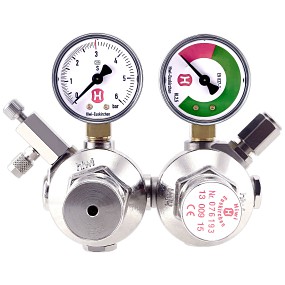
In addition, a CO2 cylinder that runs empty during your vacation is not good for the nutrient supply of the aquatic plants either. If carbon fertilization is missing for a longer time, the growth of the plants is limited and algae can spread.
Fertilization
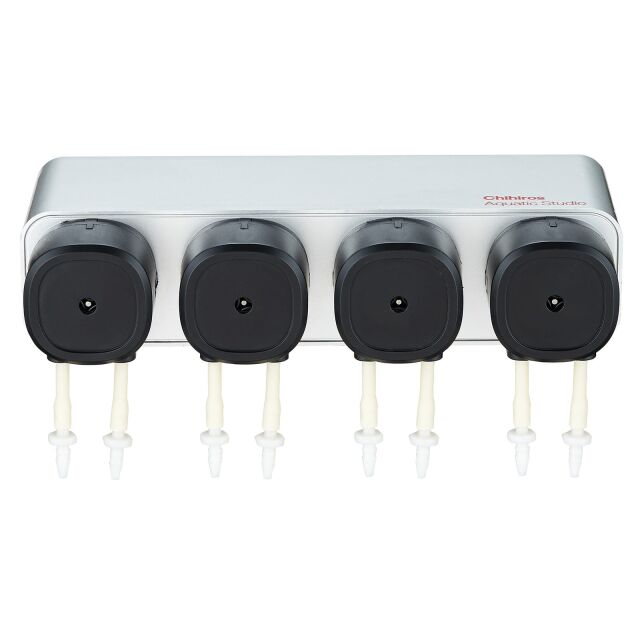
This depends on the intervals at which you normally fertilize your aquarium. If you fertilize weekly, you should do so in an adjusted amount shortly before you leave. If you fertilize daily, we strongly recommend an automatic fertilizing setup with dosing pumps.
With planted aquariums that have been running for a longer time and are also equipped with special, nutrient-rich substrates such as ADA Aqua Soil Amazonia, you can also risk not fertilizing your aquascape during this time. This is reserved for experienced aquarists who know their systems well and can judge whether the ecosystems of their aquariums are stable enough to get through such a period without fertilization. As the nutrient level in the water drops, the aquatic plants will rely more on supply through their roots. Especially for high-light aquariums, it is advisable to reduce the lighting somewhat for this period in order to slow down the plants' metabolism and the nutrient consumption that goes with it.