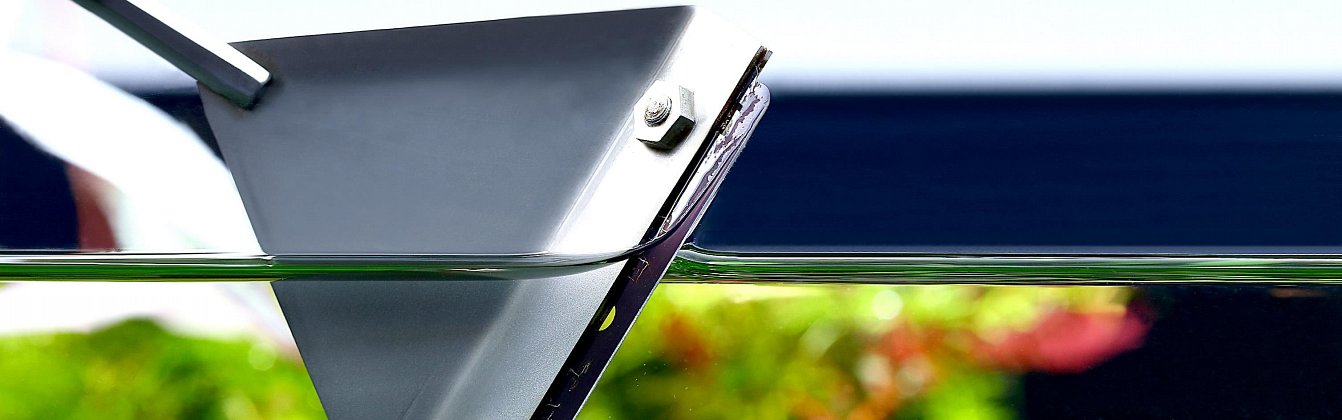
 Tips for cleaning aquarium glass
For a clear view, aquarists should clean the glass of their aquarium at regular intervals. Various tools and aids for glass cleaning are commonplace on the market for this. The big fear with such a cleaning session is, of course, that the aquarium glass will be scratched by the glass cleaner. In this article we show you what to watch out for.
General notes
First of all, regardless of which cleaning tool you use, you should carefully read the instructions for the respective product and follow the corresponding safety notes. The manufacturer's information already contains a lot of helpful and important tips on handling, for example, the blade cleaner or the magnetic glass cleaners, which can also clear up many typical questions and problems in advance.
Using the blade cleaner
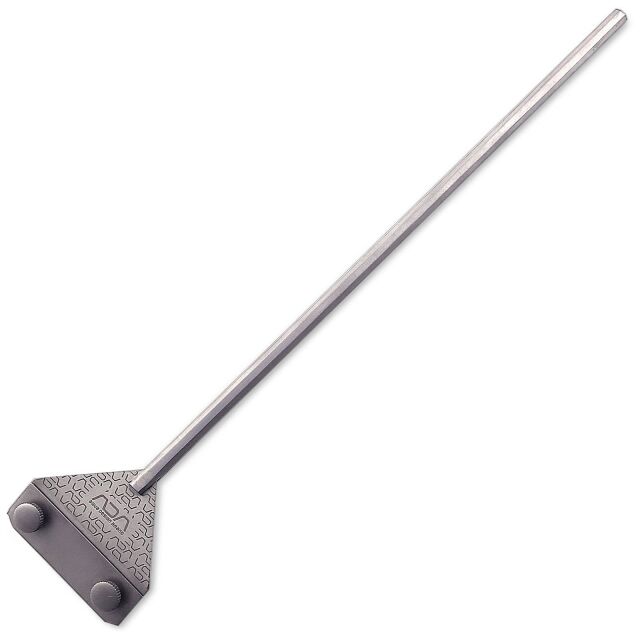
Blade cleaners are very efficient at cleaning glass and manage well to remove even stubborn algae coatings such as green spot algae and in some cases even lime deposits. They are usually equipped with a very sharp and thin blade, similar to a razor. Appropriate caution is required here to avoid injuries. But damage can also occur to the aquarium if the blade cleaner is used improperly. For example, foreign objects such as sand particles on the blade can cause scratches in the glass, as can holding the cleaner against the glass at too steep an angle.
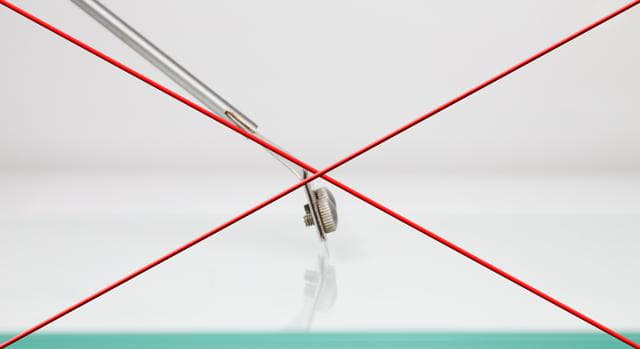
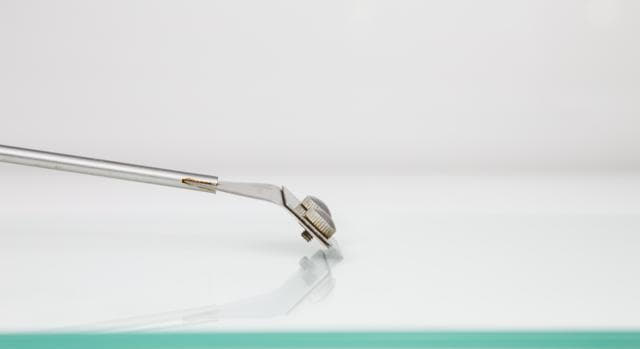
The angle here should ideally be as flat as possible.
Just as important is the direction in which the cleaner is moved. It should always be drawn backward (toward your elbow) and not forward (toward the blade). Otherwise, as mentioned before, scratches can form in the glass. Low-iron glass in particular is again considerably more sensitive here than float glass.
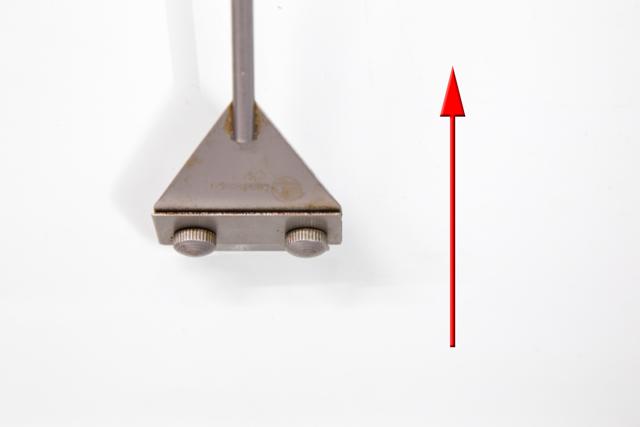
Caution is also required near the silicone seams. The blade should preferably not touch the silicone seams, so that they are in no case damaged by accident during cleaning. You are therefore on the safe side if the corners of the aquarium are simply skipped during such cleaning work with the blade cleaner. To clean the corners and silicone seams, it is better to use a different tool instead; a sponge or a toothbrush would be the much better choice here.
Such a blade also wears down over time and loses its sharpness. Over time, the blade can also develop unevenness in some places. The blade should therefore be replaced from time to time. Many manufacturers offer suitable replacement blades for their cleaners.
Using the magnetic glass cleaner
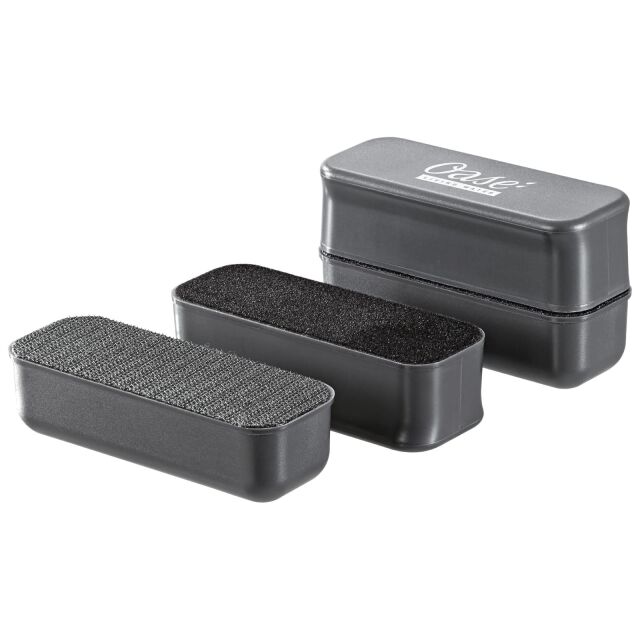
Magnetic glass cleaners are very easy to handle and have the practical advantage that you do not come into contact with the water. The principle is simple: there is a magnet both inside and outside. The inner magnet is fitted with a cleaning layer. The two parts are connected to each other by magnetic forces. If you now move the outer magnet, the inner one follows it through the force of attraction.
With the magnetic cleaner in particular, you should take great care that no foreign objects such as substrate particles get between the magnets. Otherwise there is a very high risk that such foreign objects will leave visible scratches in the aquarium glass. It is therefore advisable to check the magnetic glass cleaner regularly and also to free it of dirt every now and then.