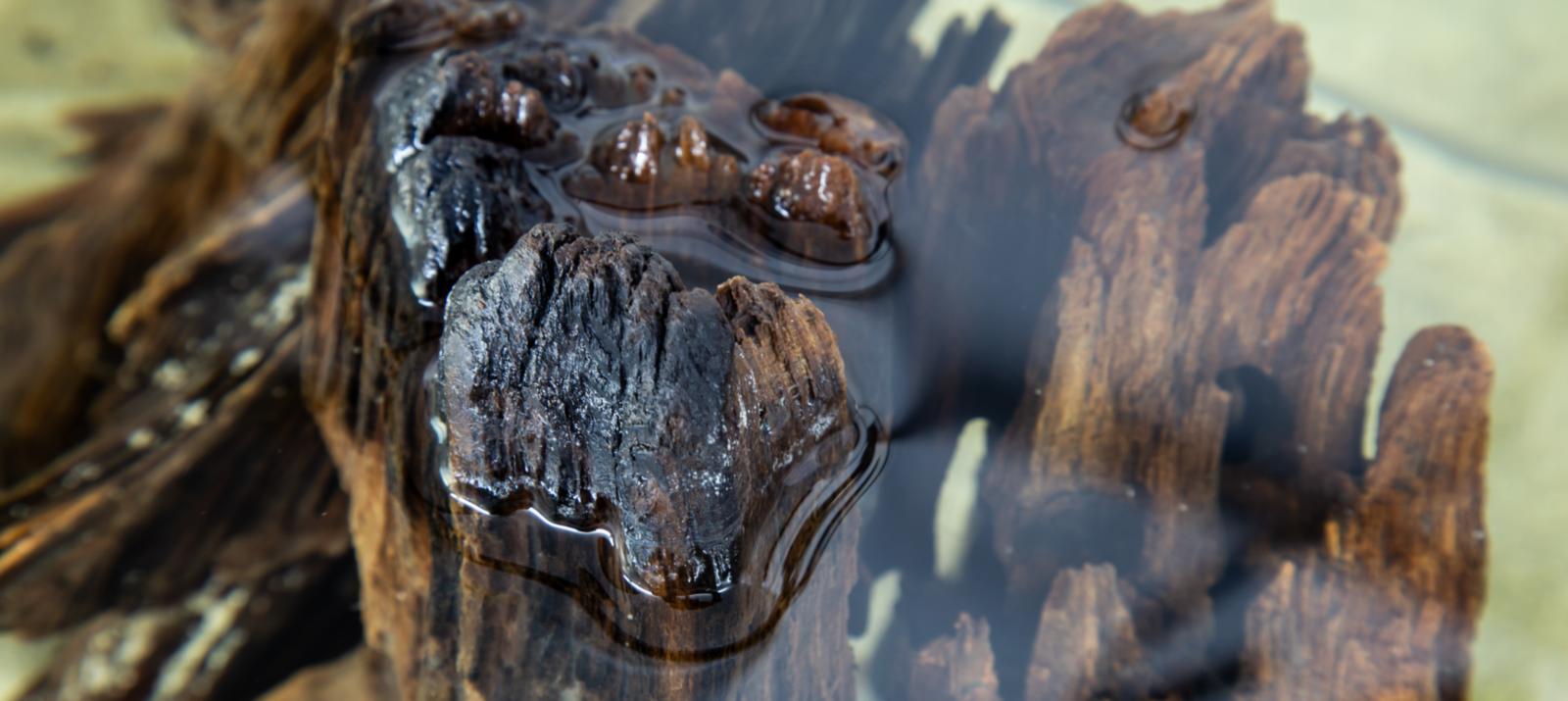
 Aquarium: Soaking Driftwood
Pre-soaking driftwood for the aquarium is a proven practice with several important benefits that affect both water quality and the well-being of the aquarium inhabitants. We show you what you need to pay attention to.
Why soak at all?
Avoiding brown discoloration
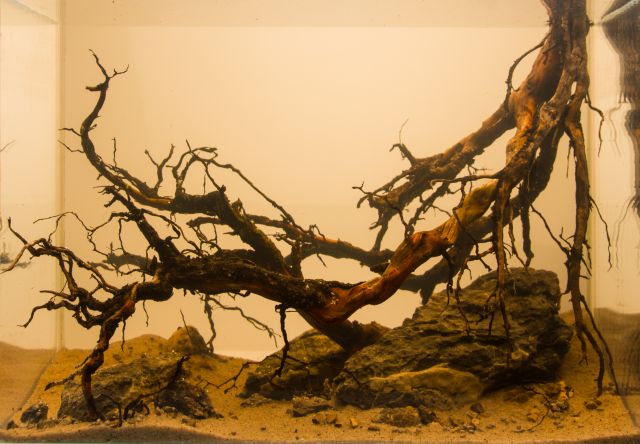
Soaking serves to remove tannins. Many aquarium roots - for example Mopani, mangrove or bogwood - contain natural tannins that are released on contact with water. These substances turn the water brown ("tea coloring"). The more compact the type of wood, the more this process takes place. If you want clear water in the aquarium from the start, soaking is therefore a good preventive measure. The tannins also acidify the water slightly, which can lower the pH. This effect can be positive for sensitive fish species but undesirable for others. Soaking removes large amounts of these tannins already outside the aquarium.
Reducing buoyancy
Soaking prevents buoyancy. Fresh or dried driftwood often still contains a lot of trapped air and can float up in the aquarium if it has not been soaked sufficiently. When filling the aquarium with water, plants and decorations can be shifted or damaged as a result. The material is then hard to keep in place. Soaking for several days to several weeks helps to saturate the wood structure with water and allow it to sink. Alternatively, you should fasten driftwood well in the aquarium, for example by gluing it or securing it with stones.
Cleanliness
Here, soaking serves to remove dirt and organic residues. Natural materials can contain remnants of soil, sand, insects or fungal spores. They can also have surface contamination that impairs water quality. Soaking and regular water changes during the soaking period remove these substances.
Minimizing bacterial load
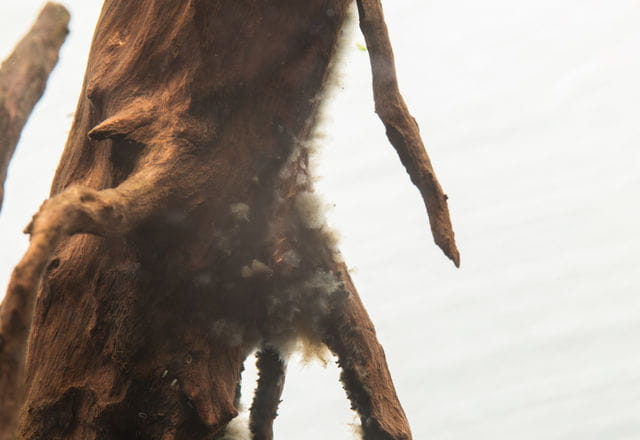
A piece of wood that has not been pre-soaked can develop white coatings (biofilms). These are mostly harmless but visually disturbing and, in rare cases, can cause problems for sensitive aquarium inhabitants. Soaking helps to stabilize the wood and reduce the extent of these effects.
How long should you soak driftwood?
At least 1-2 weeks with a water change daily if possible. In principle, the rule of thumb applies here: soak until the water is no longer strongly discolored and the driftwood sinks.