 Combining a blackout treatment and an H2O2 treatment
In some special cases of extreme algae infestation, for example with fuzz algae or cyanobacteria (blue-green algae), drastic measures in the aquarium are sometimes necessary. Especially when the algae cover entire plant stands over a large area, action is needed, since the plants are in danger of dying off because they do not get enough light under the algae and photosynthesis is restricted. Today we are introducing the sensible combination of a blackout treatment with a hydrogen peroxide treatment.
Blackout treatment
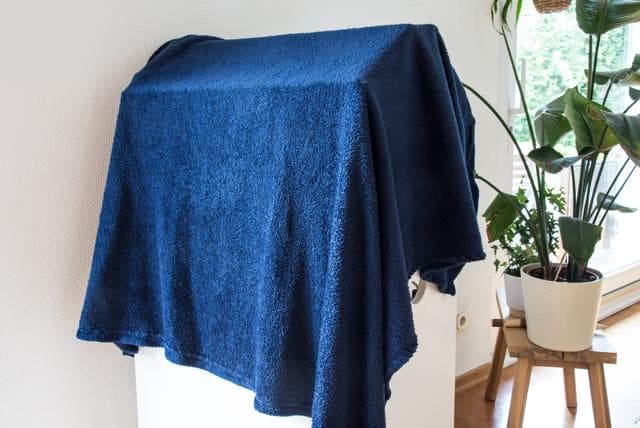
The blackout treatment is a fairly classic method in aquarium keeping for fighting various types of algae with simple means. It works well against cyanobacteria, all kinds of green algae, green spot algae and other green algae coatings, and also against diatoms. Only red algae such as black beard algae or beard algae remain unimpressed. In a blackout treatment, the aquarium is completely darkened for a few days (usually a week). The lighting stays off and the tank is covered with a blanket so that no light can get in from outside. The goal is to make the algae die off through lack of light. Before the blackout, you can vacuum off algae as well as possible during a large water change. During the treatment, make sure there is good oxygen supply; fertilization and carbon supply should be paused. You should keep a bit of an eye on your aquatic plants, because they also suffer from the lack of light. You should therefore check the situation in the aquarium after a week at the latest. Do the plants still look good, but algae are still visible? Then you can extend the treatment a little longer, but for 14 days at most. When extending, it is worth looking into the aquarium every 1 to 2 days in order to catch the moment in time when the algae are no longer visible and the aquarium plants are still vital enough. You can find exact instructions for the blackout treatment here.
Depending on the algae infestation and type, a blackout treatment may not be effective enough or may take too long. The plants cannot cope with more dark phases without light, but algae beginnings are still visible. These can then recover. In such cases, a combination with a hydrogen peroxide treatment is recommended.
H2O2 treatment
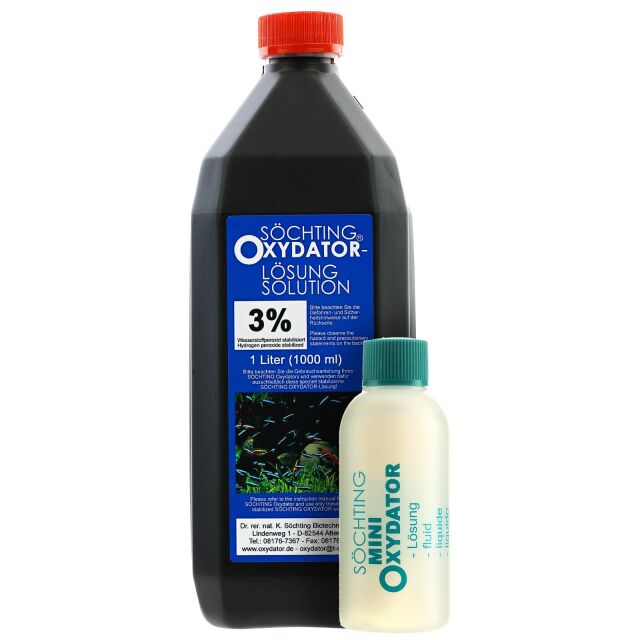
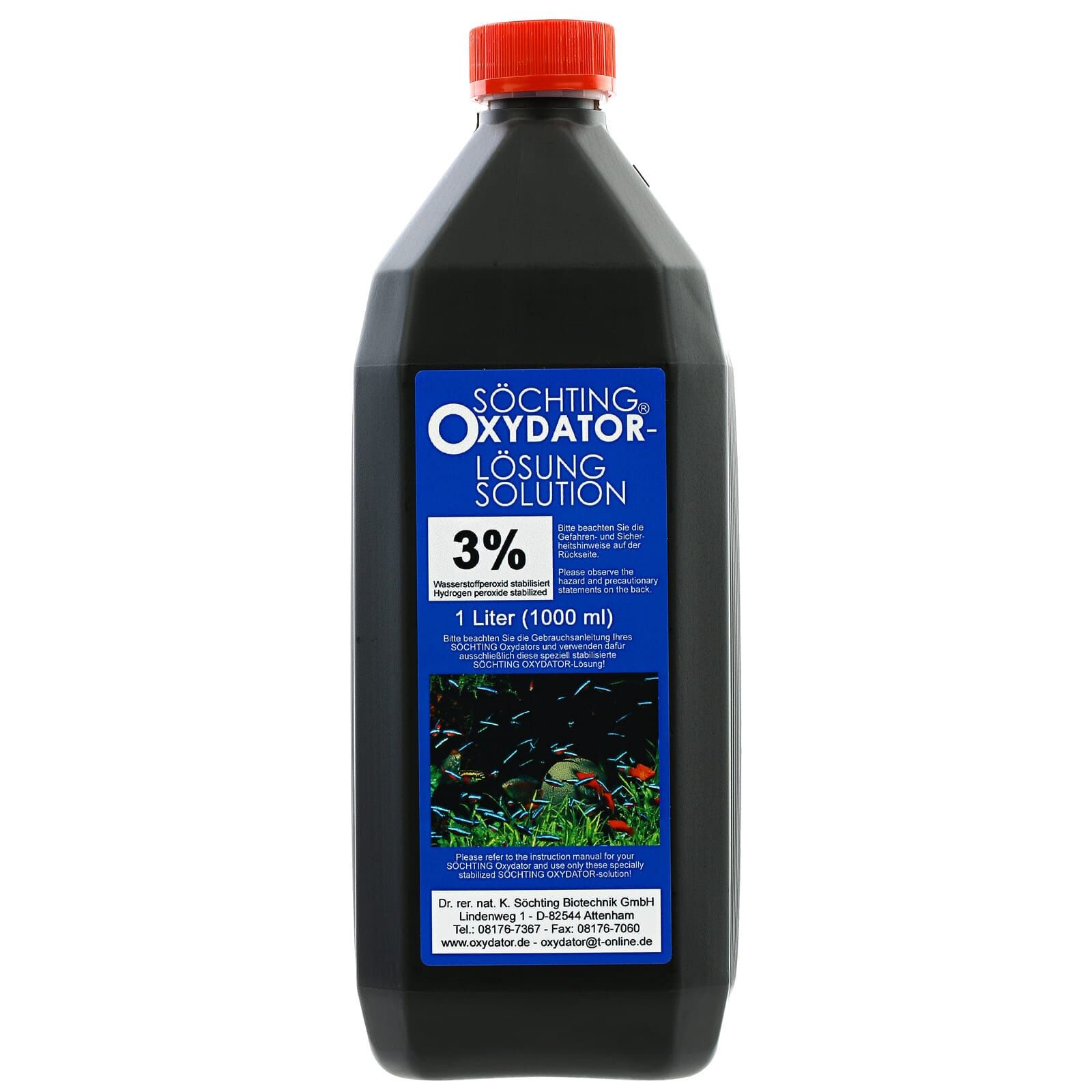
The H2O2 treatment is based on adding hydrogen peroxide, which is done here with the 3% solution for the Söchting Oxydator. A well-described guide, which you should also follow exactly, can be found here. Hydrogen peroxide reacts quickly and quite noticeably, so you should stick exactly to the dosage recommendations. Used correctly, it can save heavily algae-infested aquariums once more. The treatment works well against green algae and cyanobacteria, and even red algae (treated locally) are affected by it. If you want to boost the effect of an algae treatment even further, combining the H2O2 treatment with a blackout treatment is conceivable.
The combination

The combination skillfully unites both measures and bundles their advantages. Its effectiveness is increased once more if there are enough Amano shrimp in the aquarium, since they go for the weakened algae during the dark phase. The combined treatment starts with a large water change, during which the algae should be vacuumed off with a hose as well as possible. This is particularly recommended for an infestation with (loose) thread algae or cyanobacteria. With firmly attached fuzz algae, vacuuming is unfortunately almost ineffective.
Next, the aquarium is subjected to an H2O2 treatment for approx. two days. The aim is to weaken the algae so much that, for example, green algae change their color and become lighter. Once that is the case, you start the blackout treatment and cover the aquarium. The goal now is to decimate the already weakened algae further through darkness. You can initially set one week as the length of the blackout. On two consecutive days in the last third of the blackout (for example on days 4 and 5), the H2O2 is added again, but this time in addition to the dark phase. Here too, both advantages are combined, since the hydrogen peroxide enriches the aquarium water with oxygen. You should take good care of good aeration during a blackout anyway. The last additions of hydrogen peroxide give the algae, so to speak, the "final blow". After the seven days are up, it is worth taking a look into the aquarium. Have all the algae disappeared? Then you can now do a large water change and end both treatments. Are there still algae, but they look badly damaged? In this case, it would be better to extend the blackout treatment by a few more days. Did the treatment have virtually no effect? Then you should first give the aquarium a few days to weeks of rest. After that, you can repeat a combination of the two treatments, but this time with a higher dosage of hydrogen peroxide.
Disclaimer
Please observe the safety instructions of the respective product before use. Avoid direct contact with skin, eyes and clothing, as well as direct contact with animals or aquatic plants. Wearing appropriate protective clothing (goggles, gloves) is recommended. Use at your own risk! We accept no liability for any damage that may arise!