Mexican sword plant


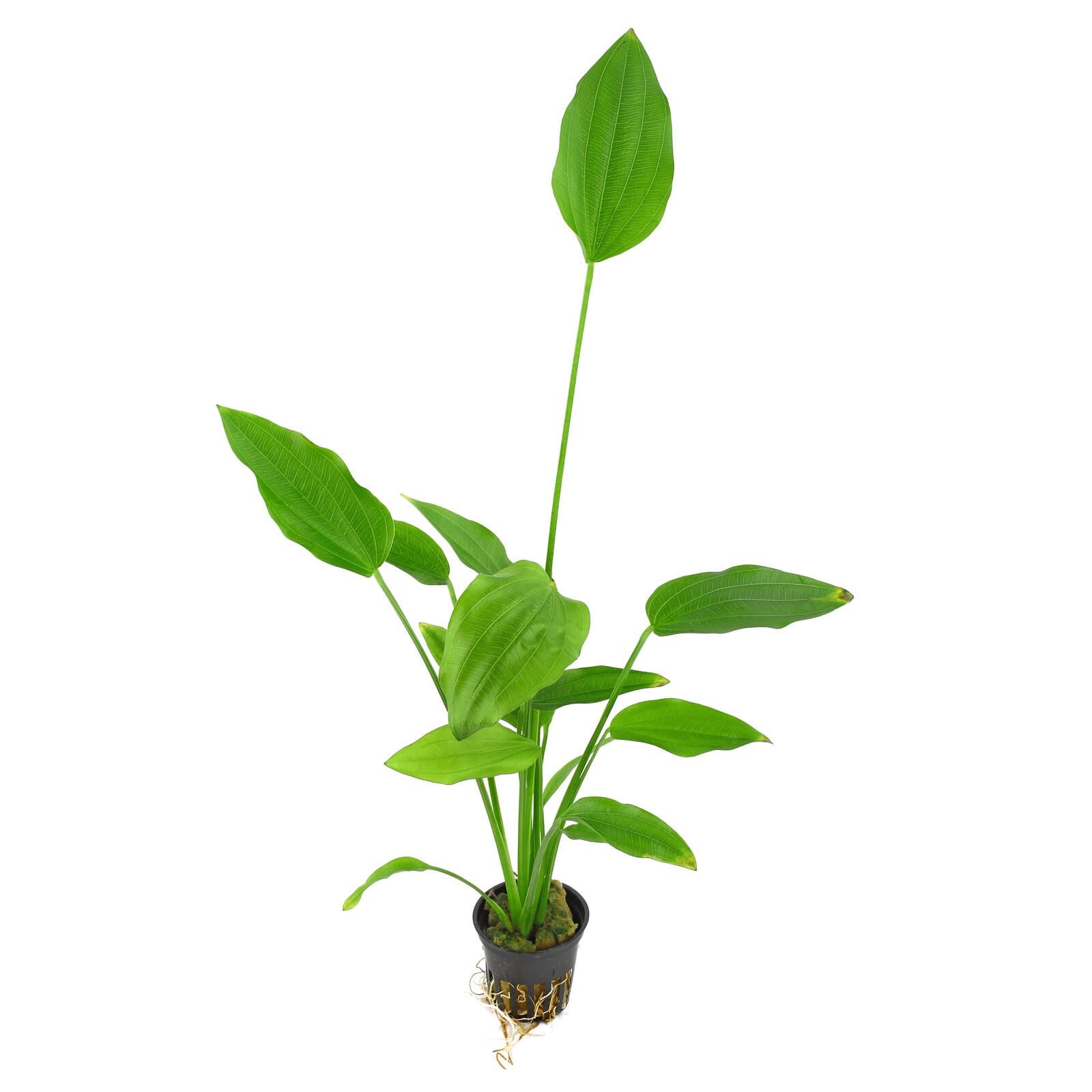
Echinodorus palifolius
Mexican sword plant
- Also known as Echinodorus palaefolius
- Tropical water plantain from South America
- Especially suitable for open tanks
- Submerged leaves lanceolate and freshly green
Curbside delivery: This item ships by freight carrier and is delivered to the curb only, not to your door or into your home. The carrier will call you in advance to schedule a delivery date. Learn more about freight delivery
Customers also bought


Item question
We’re here for you!
Please enter your question and e-mail and we’ll contact you as soon as possible. It usually takes us up to 24 hours during business days to respond.
Thank you for your question!
Thank you, we’ll get in touch!
Close window
You already sent us a question.
Please wait a few minutes
Description
The "Mexican Sword" is also known as Echinodorus palaefolius and erroneously as "E. rigidifolius" and "E. argentinensis". It is a big, vigorous swamp plant from the hot areas of central and eastern Brazil. This species is closely related to Echinodorus subalatus that differs by narrower, lanceolate leaves. The plant has a strong tendency to grow out of the water. It gets more than 60 cm tall in its emergent form, developing overhanging inflorescences with rather small flowers and adventitious plantlets later on. The submerged plant is about 30 - 40 cm high with freshly green, lanceolate leaves whose petioles are at least as long as the leaf blades.
Echinodorus palifolius is an undemanding, fast growing plant that copes well with higher temperatures beyond 25 °C. Younger plants stay submerged for a longer period, especially with low nutrient amounts. However, older, stronger plants in nutrient-rich substrate will develop long-stalked aerial leaves soon. After removing them the plant will develop submerged foliage again, but emersed leaves will reappear sooner or later. The plant is propagated in its emersed phase by the adventitious plantlets on the inflorescences.
As submerged plant, this Echinodorus wild type has a modest, natural appearance with its lanceolate, freshly green foliage. However Echinodorus palifolius is especially recommendable as emergent plant for open tanks and tall paludaria where it can develop its full potential and also comes to blossom.
Echinodorus palaefolius is often offered in trade, however, it is not often sold under its real name.
A rather acuminately-tipped form quite similar to E. subalatus (fig. 3-5) is called "E. argentinensis" in trade, however, it has nothing in common with true E. argentinensis, which belongs to the E. grandiflorus complex and cannot be found in trade any more (for further information, please see Echinodorus grandiflorus).
Another form often sold under the trade name "Echinodorus rigidifolius" (which is not a valid botanical name) has wide ovate leaves and bulges at the upper end of the leaf stalk (see fig. 1 and 2). The same form, or one very similar to it, is also traded under the name E. palaefolius var. latifolius.
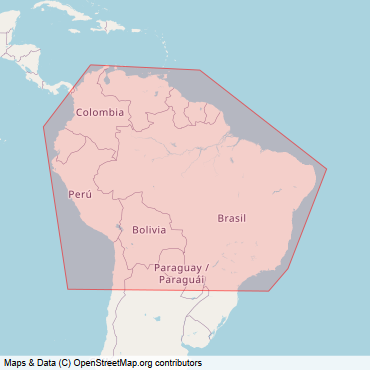
E. palaefolius originates from eastern Brazil and grows as a bog plant in nature. It is closely related to E. (read more)
| Synonyms | Sagittaria palaefolia Nees & Mart., Echinodorus palaefolius (Nees & Mart.) J. F. Macbr. var. latifolius (Micheli) Rataj, Echinodorus palaefolius (Nees & Mart.) J. F. Macbr. var. minus (Seub.) Rataj |
| Misapplied names | Echinodorus argentinensis |
| Trader names | Echinodorus frankoiana, Echinodorus rigidifolius |
| Complete botanical name | Echinódorus palifólius (Nees & Mart.) J. F. Macbr. |
| Family | Alismataceae |
| Genus | Echinodorus |
| Difficulty | very easy |
| Usage | Semi-emersed plant for open tanks, Background |
| Growth | fast |
| Temperature tolerance | 15 - 30°C |
| General hardness | 0 - 30°dGH |
| Propagation | Proliferating inflorescences, Rhizome division, Splitting, cutting off daughter plants |
| Can grow emersed? | yes |
| Source | Flowgrow |
| Synonyms |
| Sagittaria palaefolia Nees & Mart., Echinodorus palaefolius (Nees & Mart.) J. F. Macbr. var. latifolius (Micheli) Rataj, Echinodorus palaefolius (Nees & Mart.) J. F. Macbr. var. minus (Seub.) Rataj |
| Misapplied names |
| Echinodorus argentinensis |
| Trader names |
| Echinodorus frankoiana, Echinodorus rigidifolius |
| Complete botanical name |
| Echinódorus palifólius (Nees & Mart.) J. F. Macbr. |
| Family |
| Alismataceae |
| Genus |
| Echinodorus |
| Difficulty |
| very easy |
| Usage |
| Semi-emersed plant for open tanks, Background |
| Growth |
| fast |
| Temperature tolerance |
| 15 - 30°C |
| General hardness |
| 0 - 30°dGH |
| Propagation |
| Proliferating inflorescences, Rhizome division, Splitting, cutting off daughter plants |
| Can grow emersed? |
| yes |
| Source |
| Flowgrow |
How many plants do I need?
General information
| Item no. |
|
| EAN | 5703249076007 |
| Weight | 0,10 kg |
| Shipping weight | 0,10 kg |
Questions and answers about Echinodorus palifolius
You have questions about this product? Ask other customer or our support team about this product!
Customer reviews
5 Reviews
| 5 Stars(4) |
|
| 4 Stars(0) |
|
| 3 Stars(0) |
|
| 2 Stars(0) |
|
| 1 Star(1) |
|
Beautiful plant, no algae growth, fast delivery, price okay, would buy again. Actually as always, I only order my plants from you
Show original
Wunderschön
Schöne Pflanze, keine Algenanhaftungen, schnelle Lieferung, Preis Ok, gerne wieder. Eigentlich wie immer, ich bestelle die Pflanzen nur bei Euch
The plant arrived well rooted with beautiful leaves.
Shipping was very fast again.
Show original
Volle Kaufempfehlung
Die Pflanze kam gut bewurzelt mit schönen Blättern bei mir an.
Der Versand war wieder sehr schnell.
I bought the plant from Aquasabi a good 2 years ago and it has mastered all difficulties (cyanobacteria outbreak, algae phase) and then also grew out over the water surface quite... (read more)
Show original
Emers eine Pracht
Ich habe die Pflanze bei Aquasabi vor gut 2 Jahren gekauft und sie hat alle Schwierigkeiten gemeistert (Cyanobefall, Algenphase) und ist dann auch recht schnell über die Wasseroberfläche hinausgewachsen. Bei mir erreicht sie dabei eine Höhe von über 80cm (gemessen ab Bodengrund) mit schön saftigen und nicht abtrocknenden emersen Blättern.
Wichtig: Die Pflanze braucht Licht! Wachsen die Blätter am Licht vorbei, wie ich bei einem befreundeten Aquarianer sehen kann, der einen Ableger von mir bekommen hat, dann werden die Blätter schnell am Rand braun. Bei mir passiert das nur bei alten Blättern. Bei mir ist die Beleuchtung ca. 70cm über der Wasseroberfläche, so dass die Pflanze alle ihre emersen Blätter unterhalb der Beleuchtung ausbreiten kann. Platziert man die Beleuchtung bzw. Pflanze dabei optimal, so hat man den Lichtkegel der Beleuchtung genau in die Rosette des rosettenförmigen Wuchses hinein und so machen die Blätter der Pflanze kaum mehr Schatten im Aquarium, da dort nur die Stiele im Weg sind.
Außerdem wichtig: Wenn man sie zu einer Größe von ca. 80cm und vielen Blütenständen bringen will, muss man sie mit Düngekugeln im Boden versorgen. Über die Wasserschiene nimmt diese Pflanze kaum Nährstoffe auf. Wenn ich mal eine Zeit lang keine Düngekugel nachgebe, bleiben die Blätter kleiner und die Stiele kürzer und die Blühfreude nimmt wieder ab.
Fazit: Für ein offenes Aquarium mit genug Platz zwischen Beleuchtung und Wasseroberfläche eine absolut geniale Pflanze.
Similar products


